Tadashi Kawamata
From 1996 to 1999, in collaboration with various institutions and groups, Tadashi Kawamata (*1953) constructed a wooden path through Zug to the Kunsthaus with five stations along it. These installations, which include a hut village at Zug’s lakeside public bathing beach, are still in place and freely accessible today, offering pleasant places for people to linger. Kawamata’s "Work in Progress in Zug" reaches out to the public, seeking dialogue and conveying a different perspective on familiar surroundings.
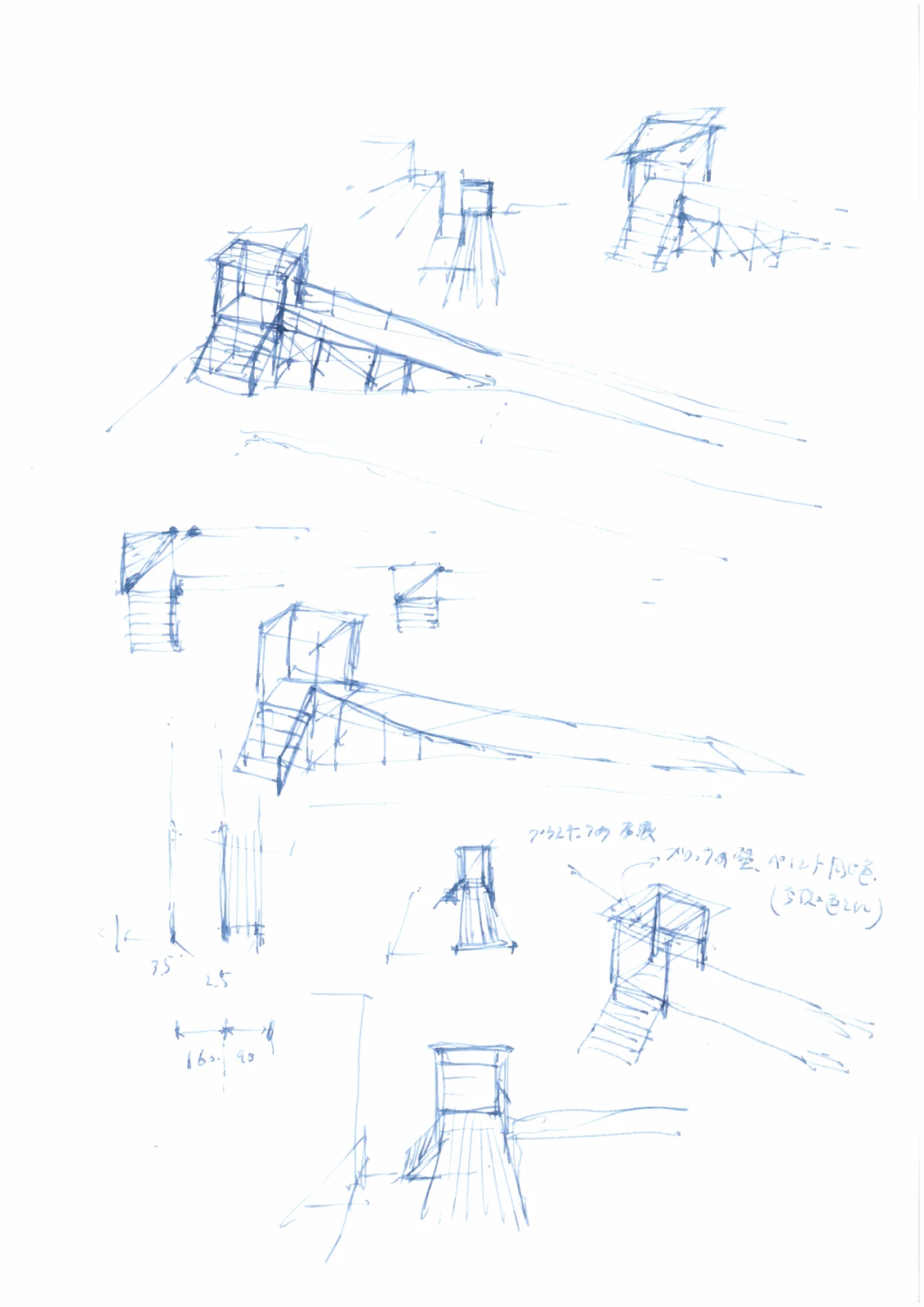
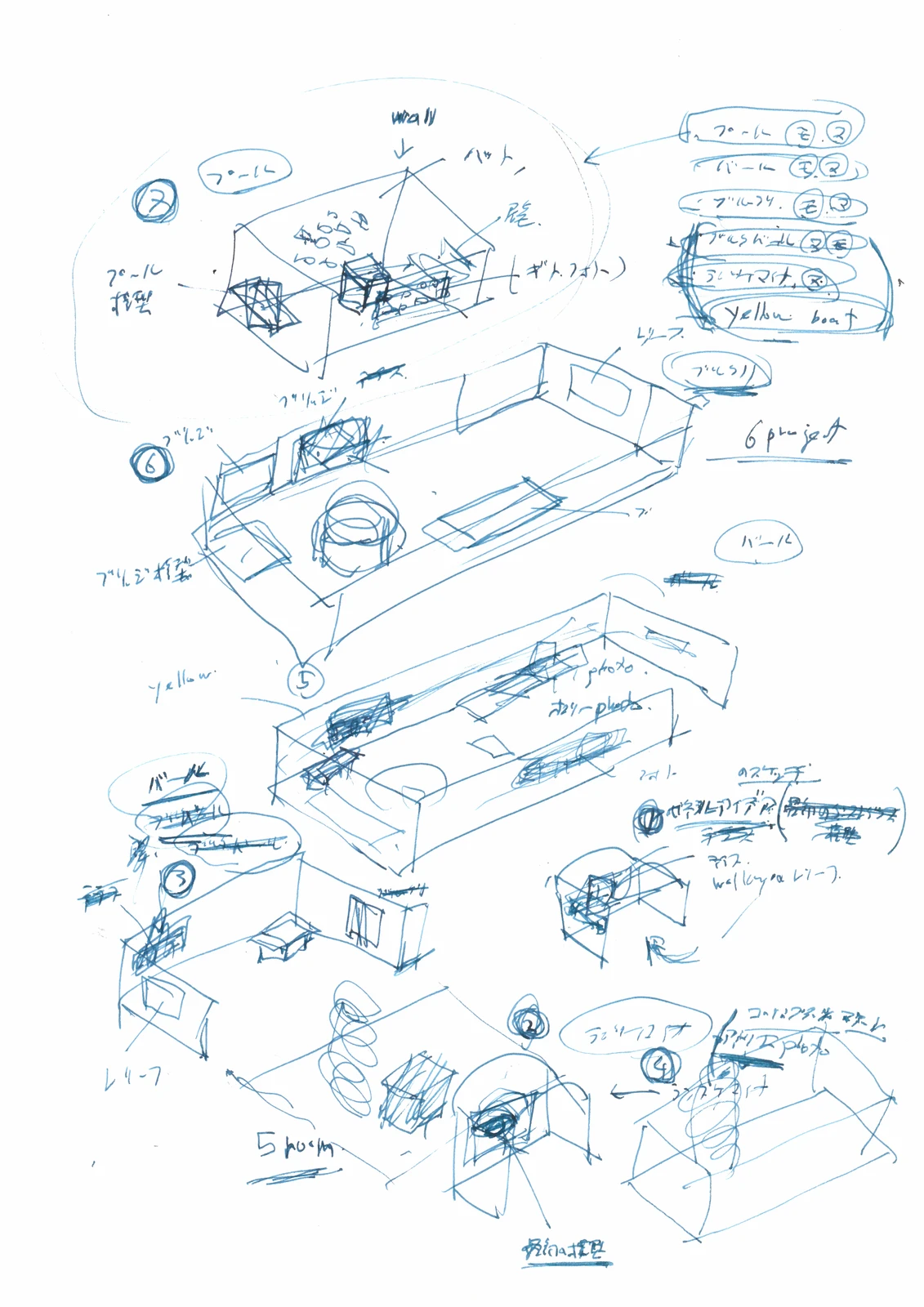
Kawamata worked in Zug for several weeks each year and exerted a lasting impact. He set an entire town in motion and helped to open up the Kunsthaus. All his sketches, a group of models and documentary materials for his Work in Progress in Zug are part of the Kunsthaus collection today, as is the photo essay by Guido Baselgia that documented the entire project. Kawamata’s popular, much-used wooden installations have been maintained and renovated by the city to this day – the most recent renovations being in the Brüggli area in 2022. The artist still returns periodically to Zug to discuss the future of his works. Work in Progress in Zug had an impact far beyond the region, leading to follow-up projects by the artist in Basel, Neuchâtel, Uster, Zuoz and Zurich. Kawamata subsequently took on similar long-term projects in Japan and elsewhere in Europe.
Tadashi Kawamata. Work in Progress in Zug
Project Collection (1)
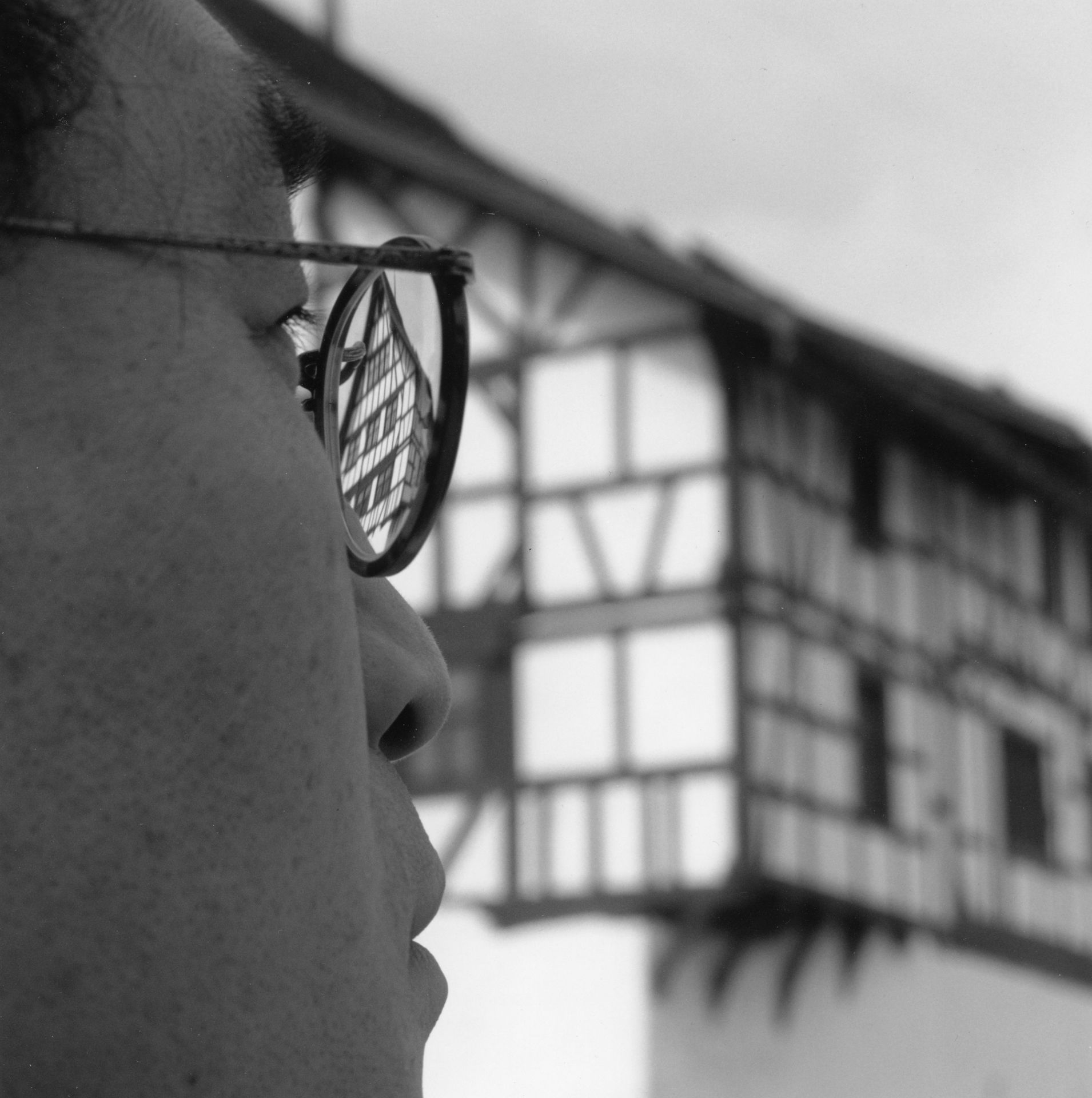
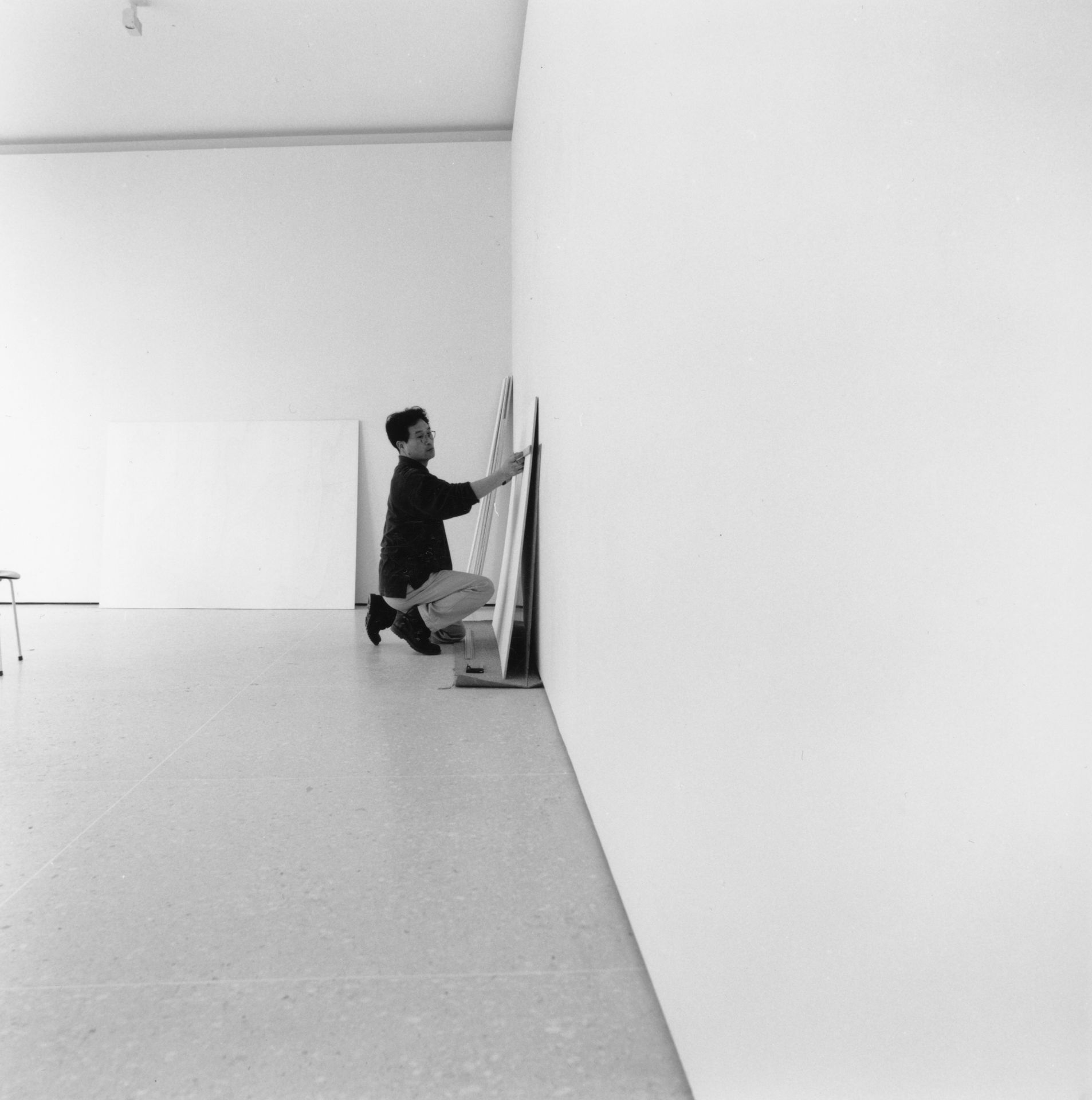
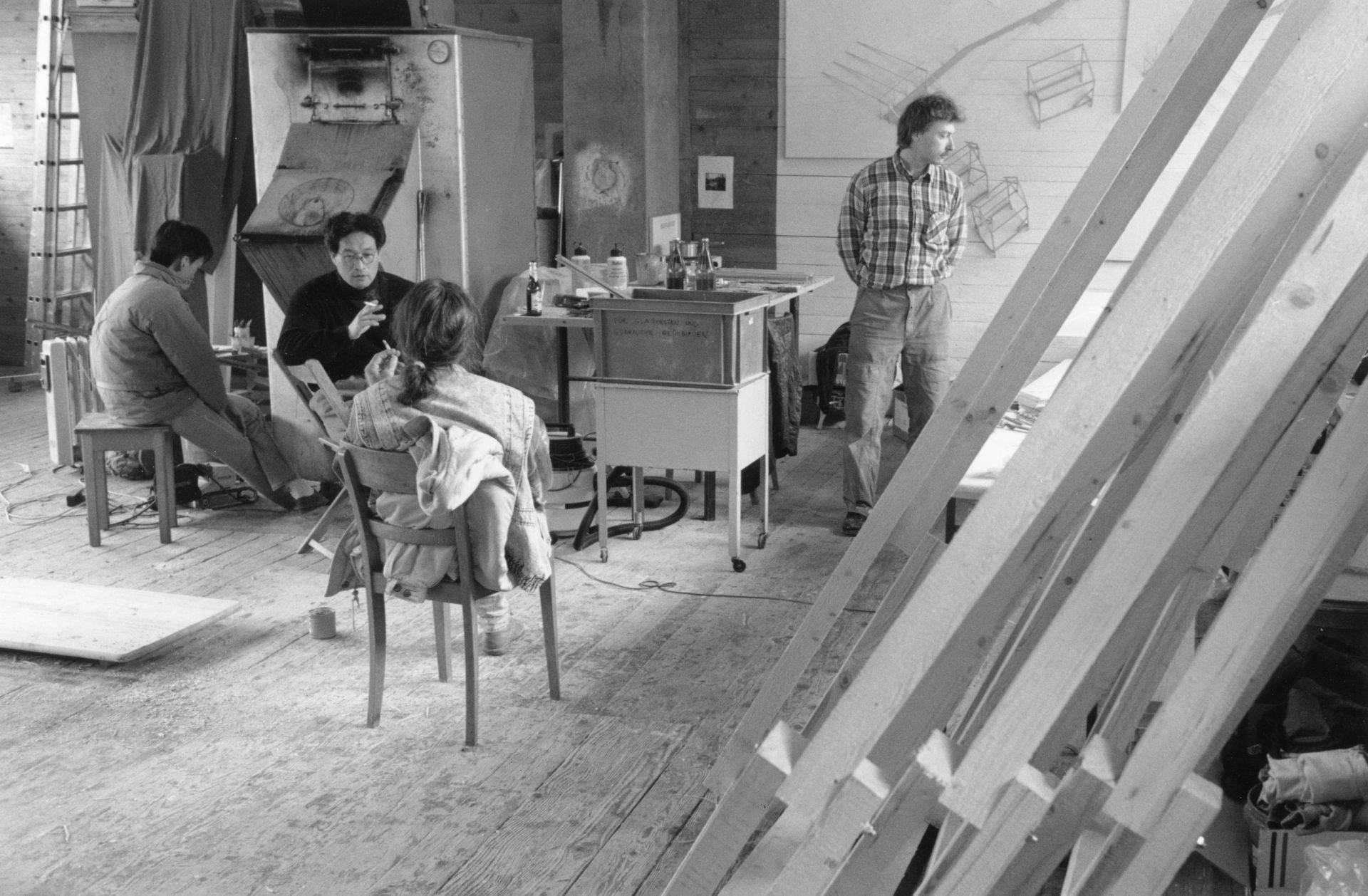
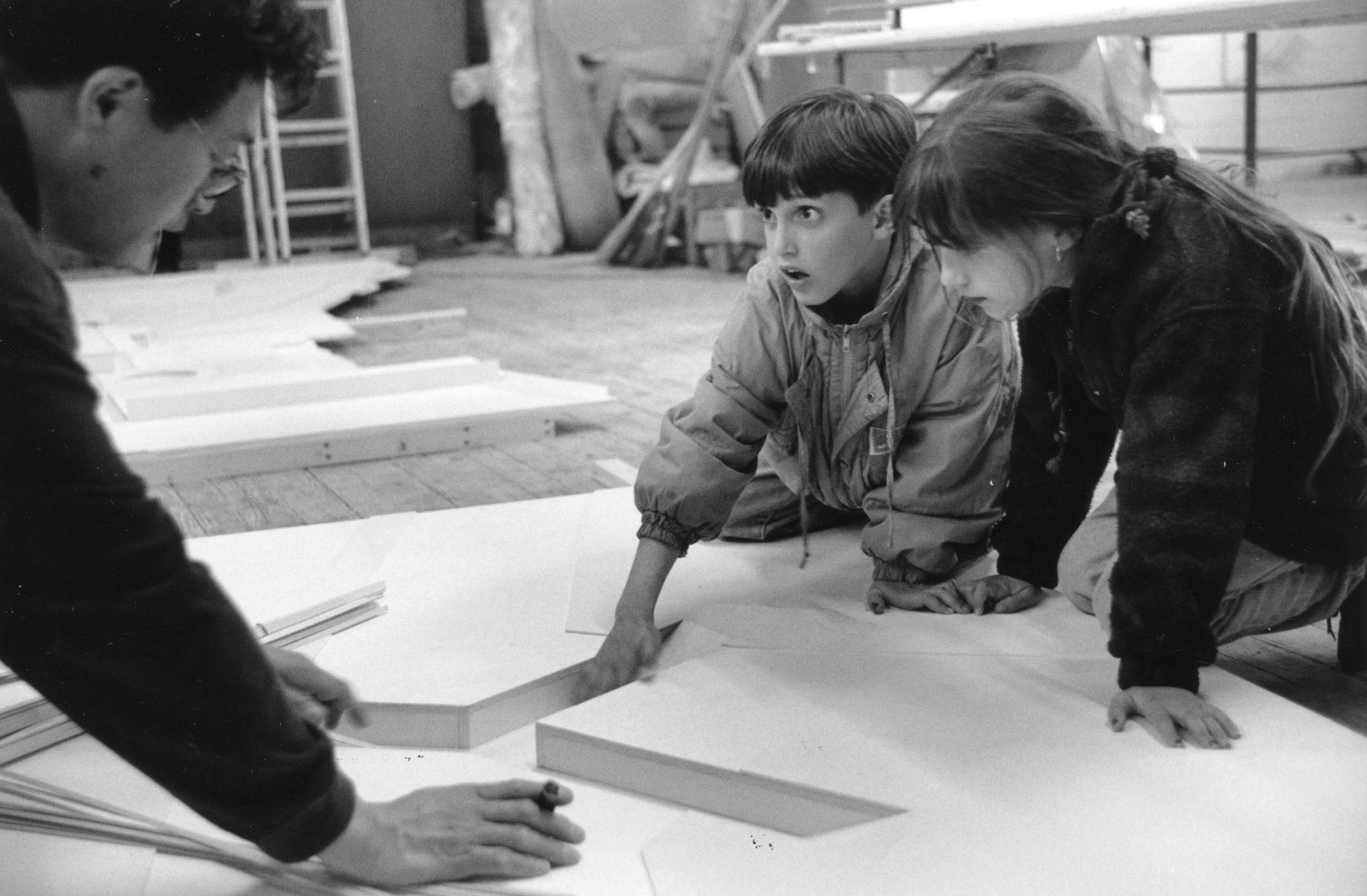
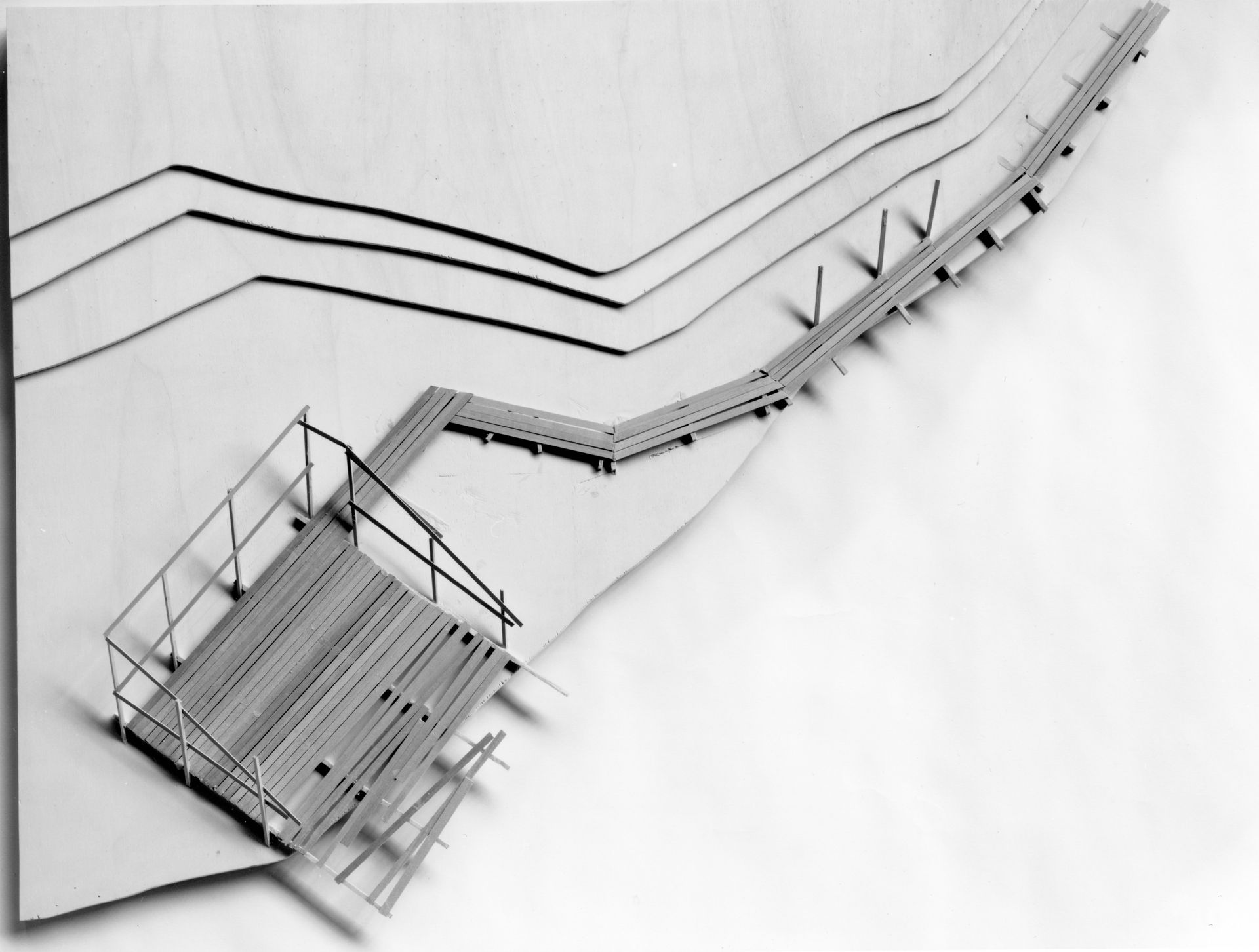
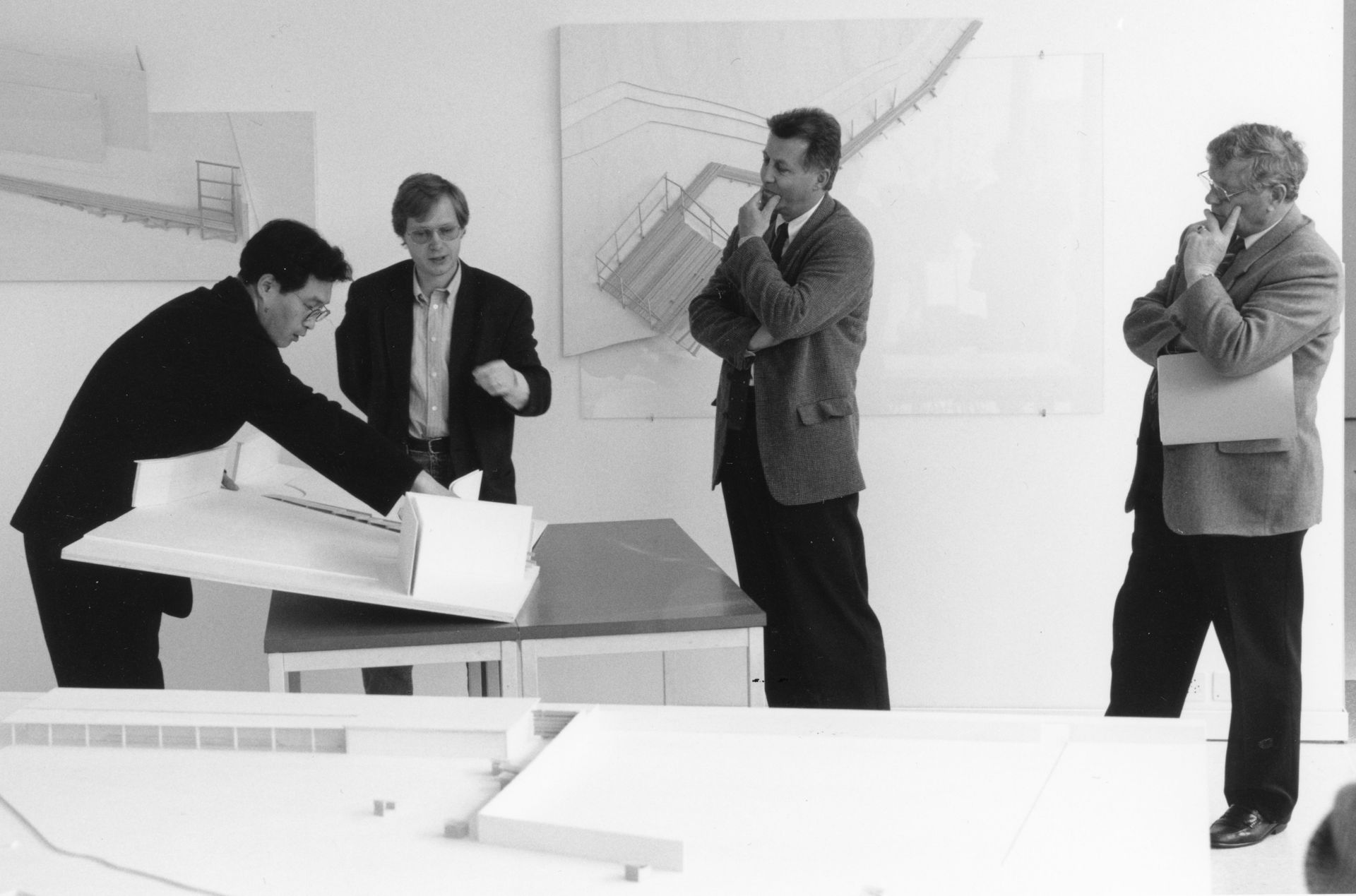
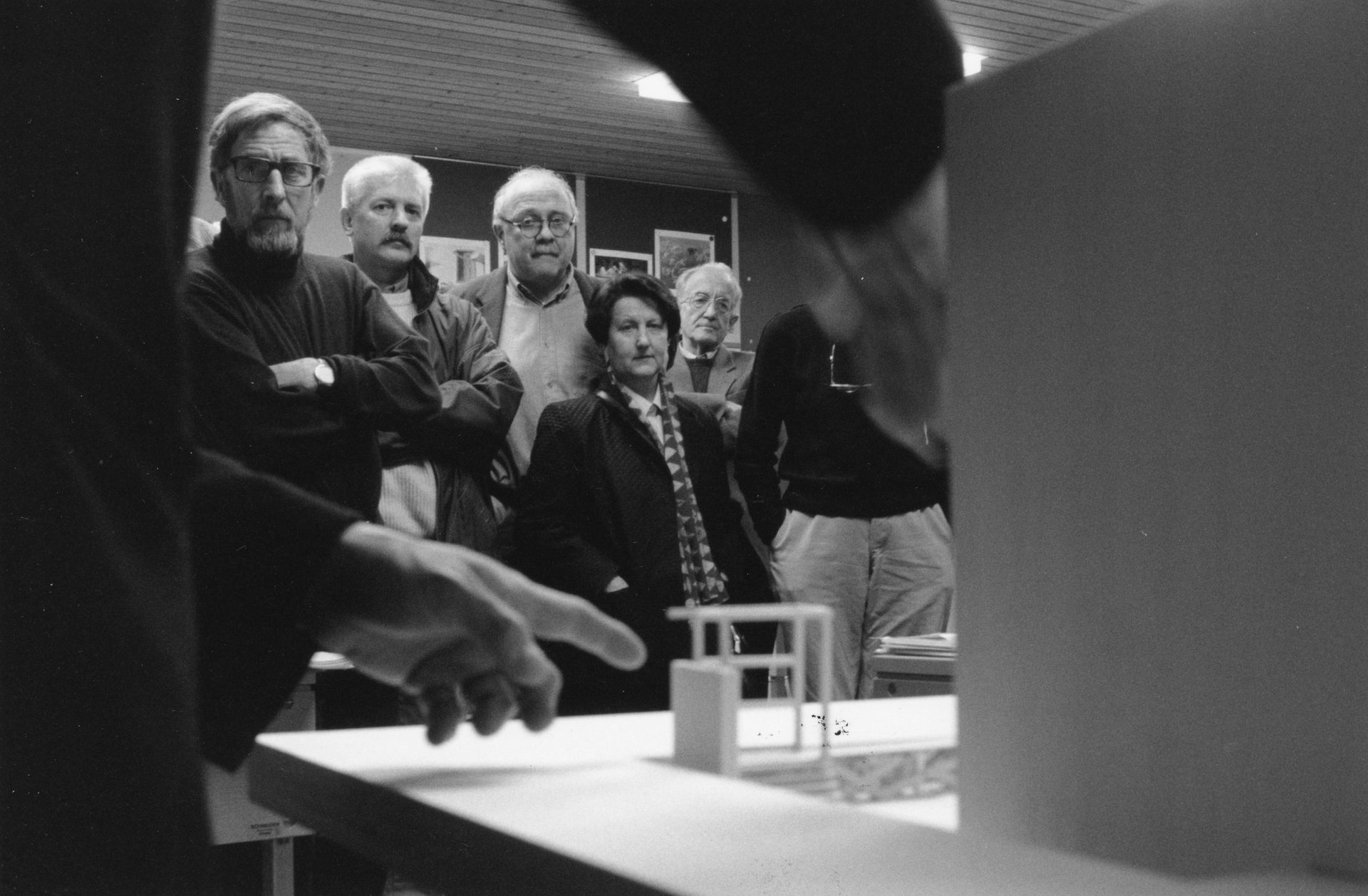
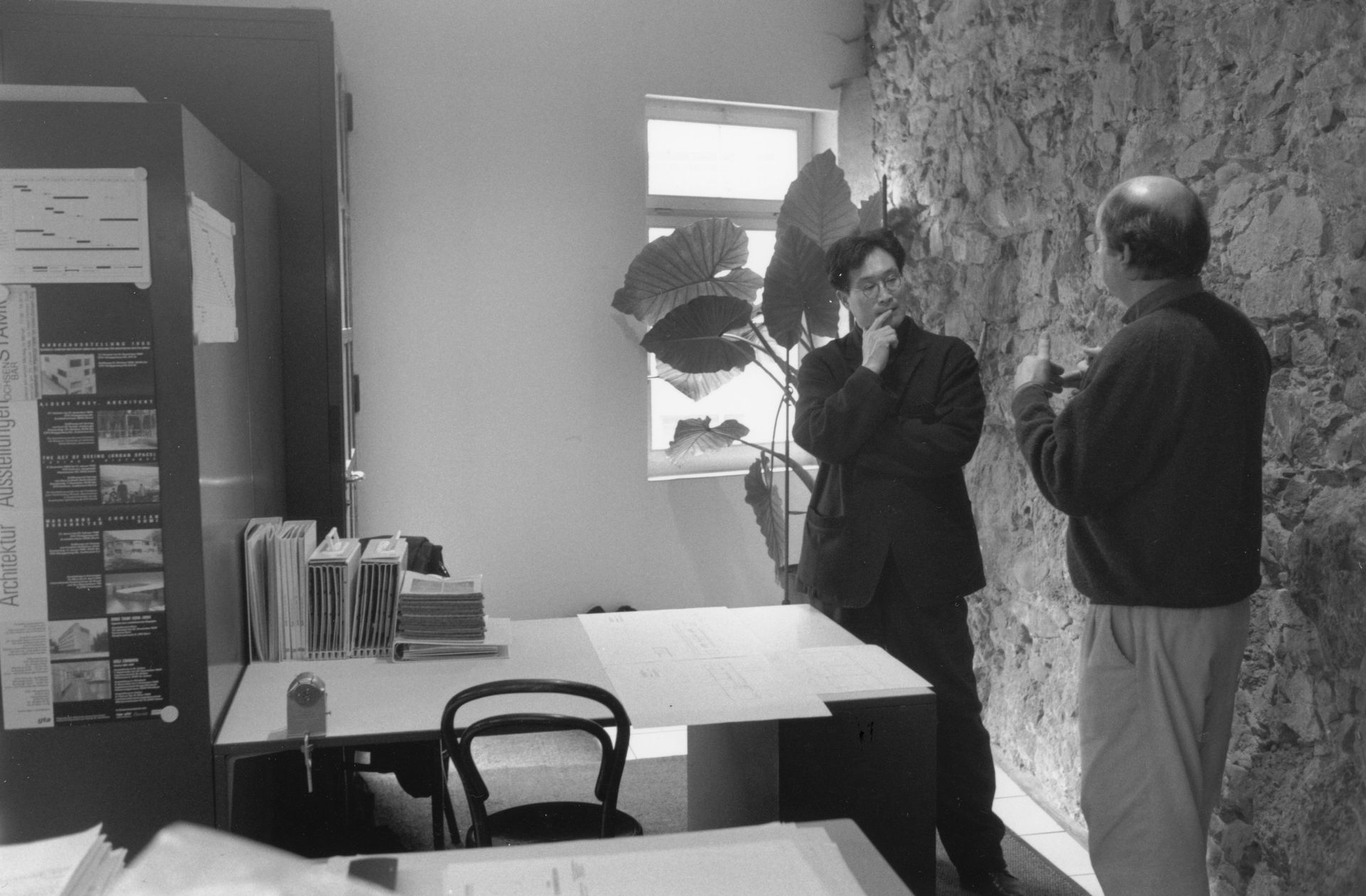
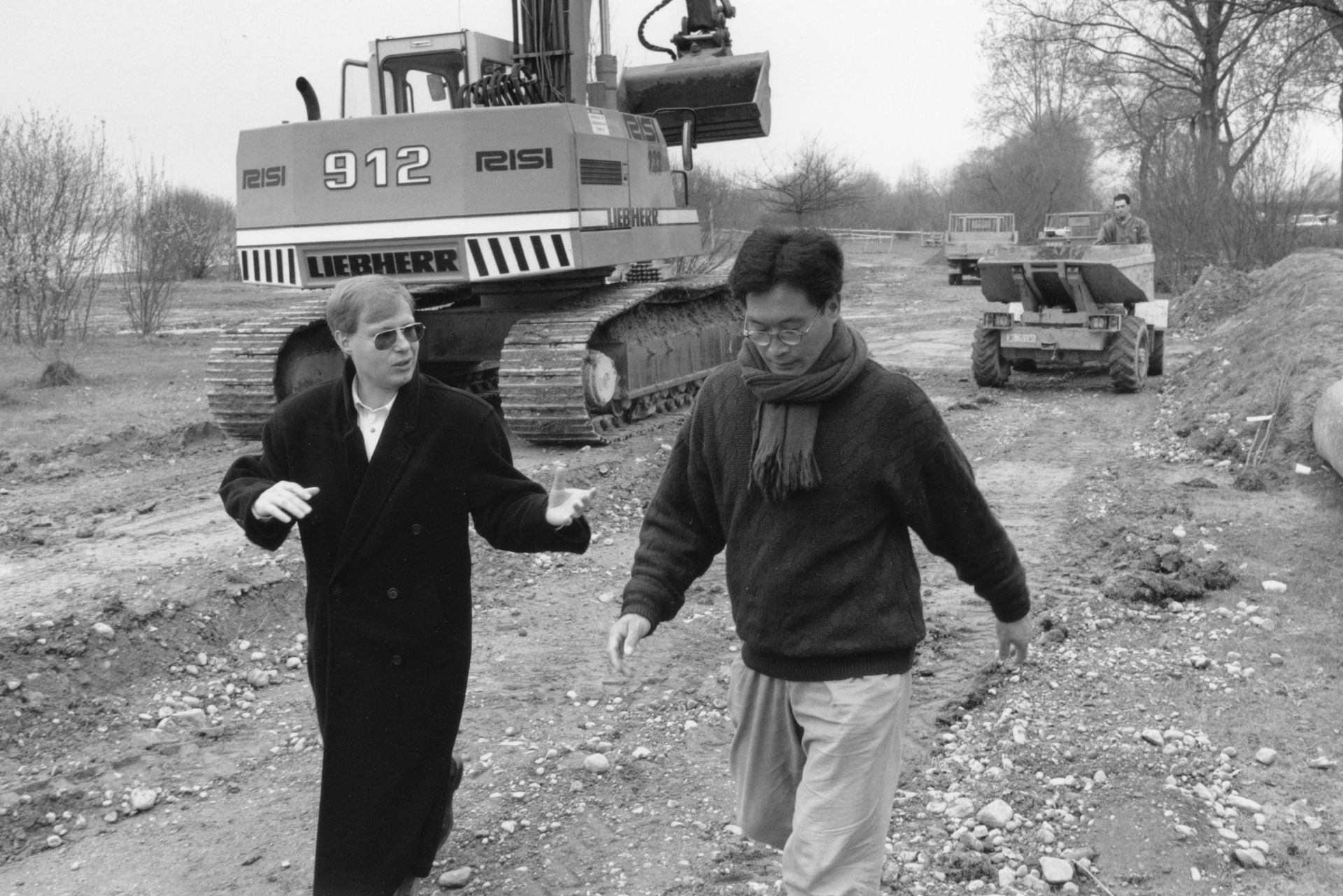
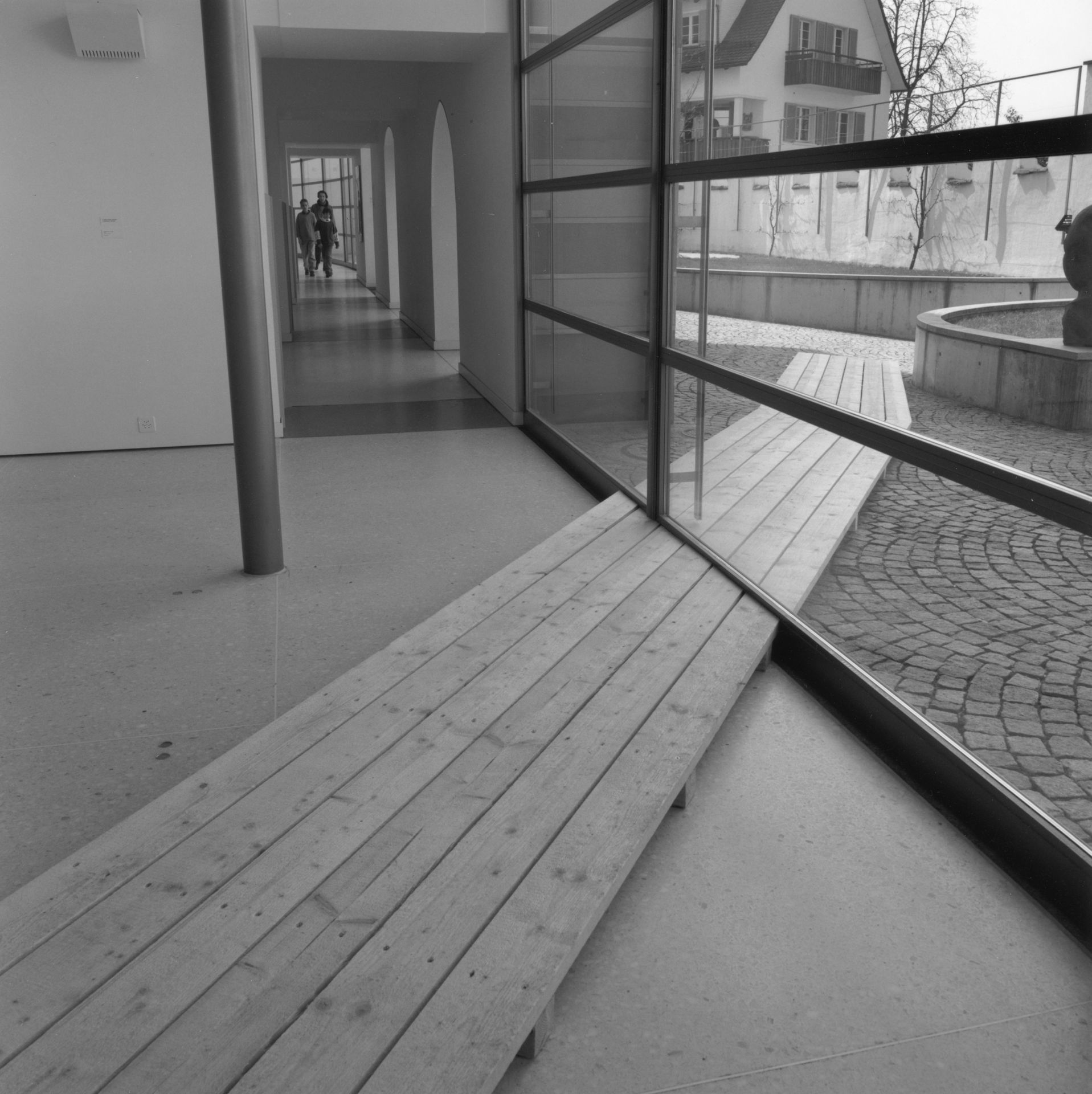
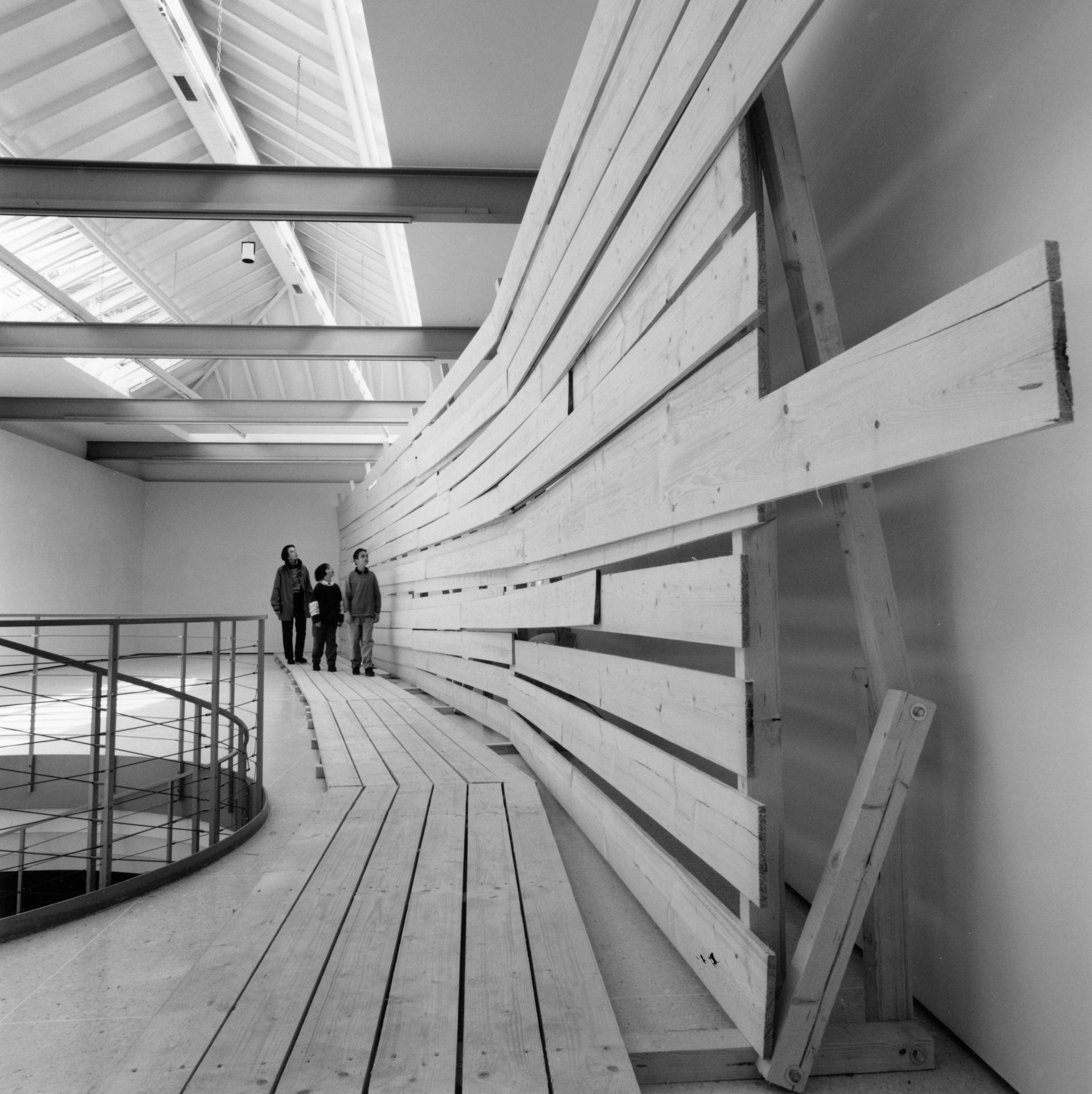
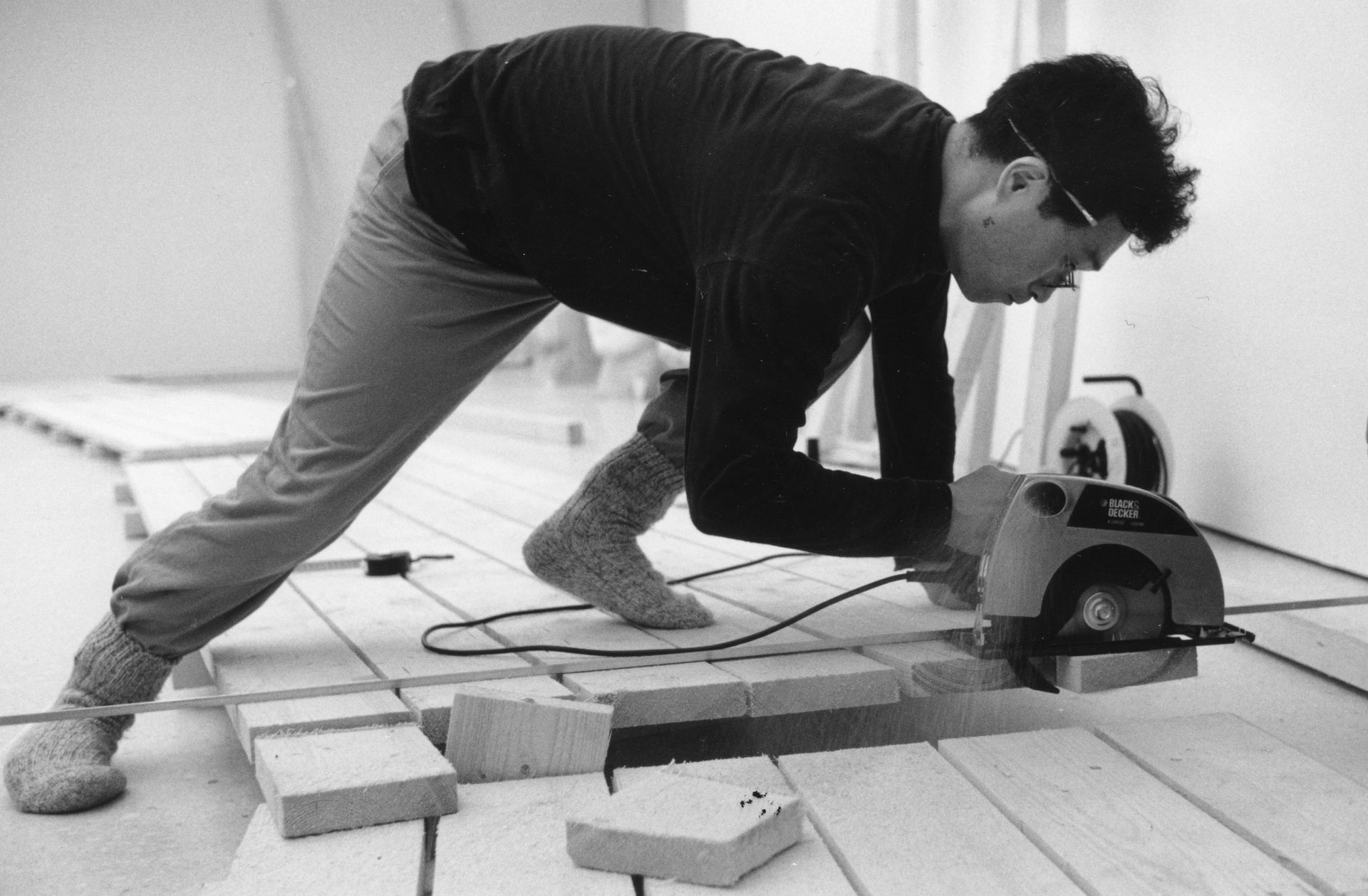
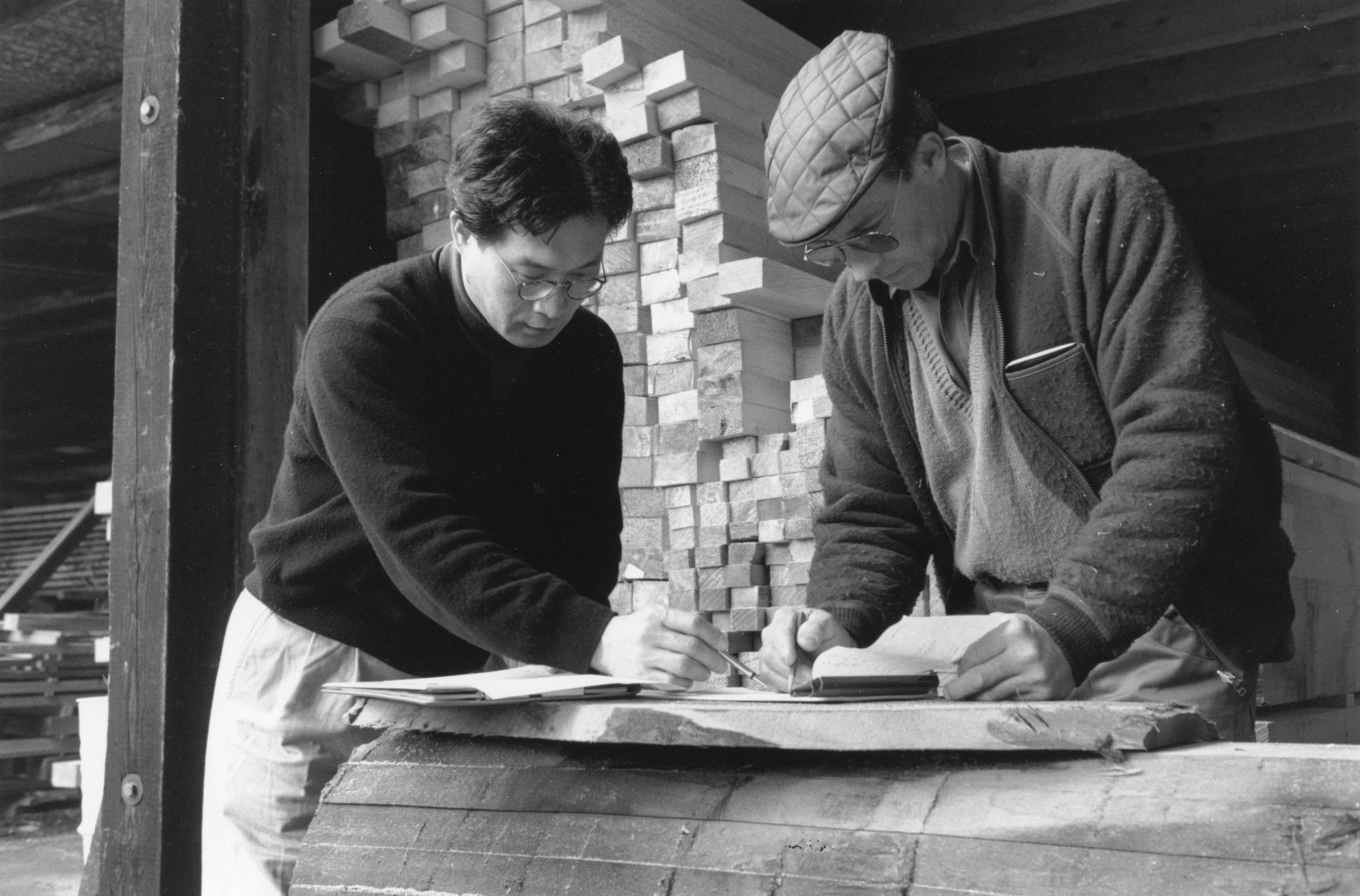
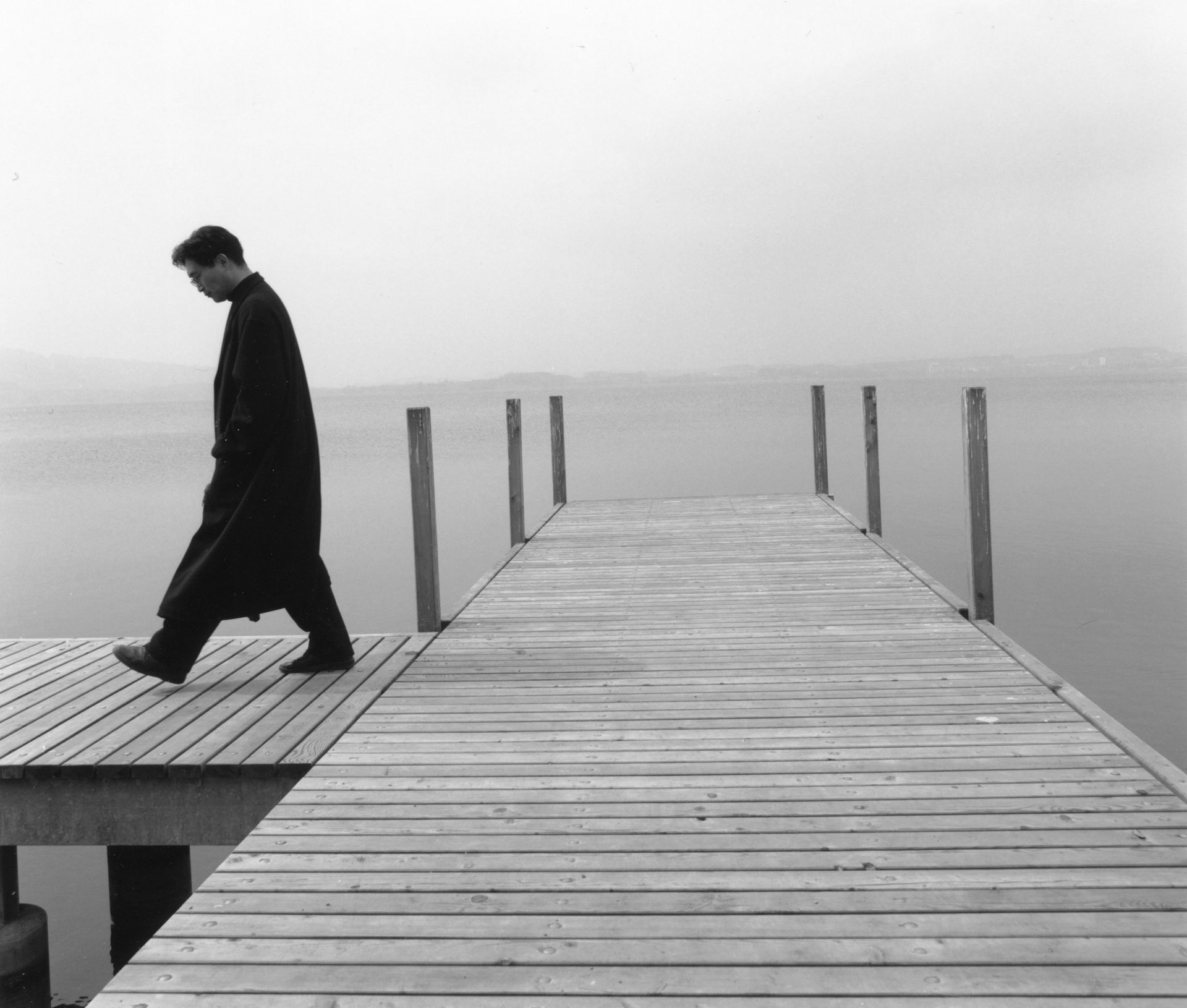
The Japanese artist Tadashi Kawamata has earned an international reputation with large, architectural installations in wood, which he has made all over the world. His pieces are the result of an intensive interaction with spatial, social, cultural and historical conditions in the places where he works. Often he counters the sleek containers of our urban civilization with evocations of simple, basic building activity, related to individuals and small social groups and situated amid the full flow of life.
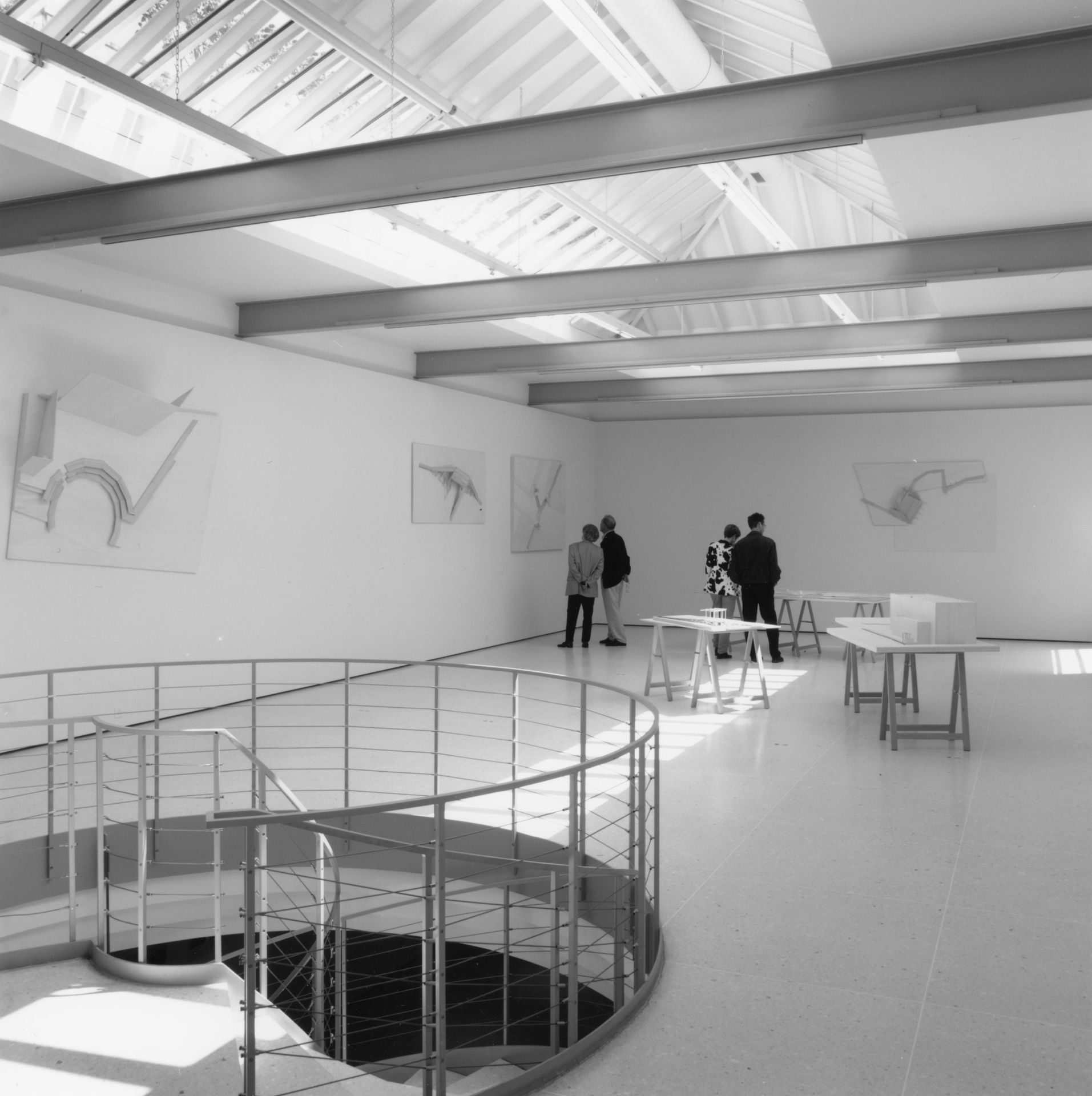
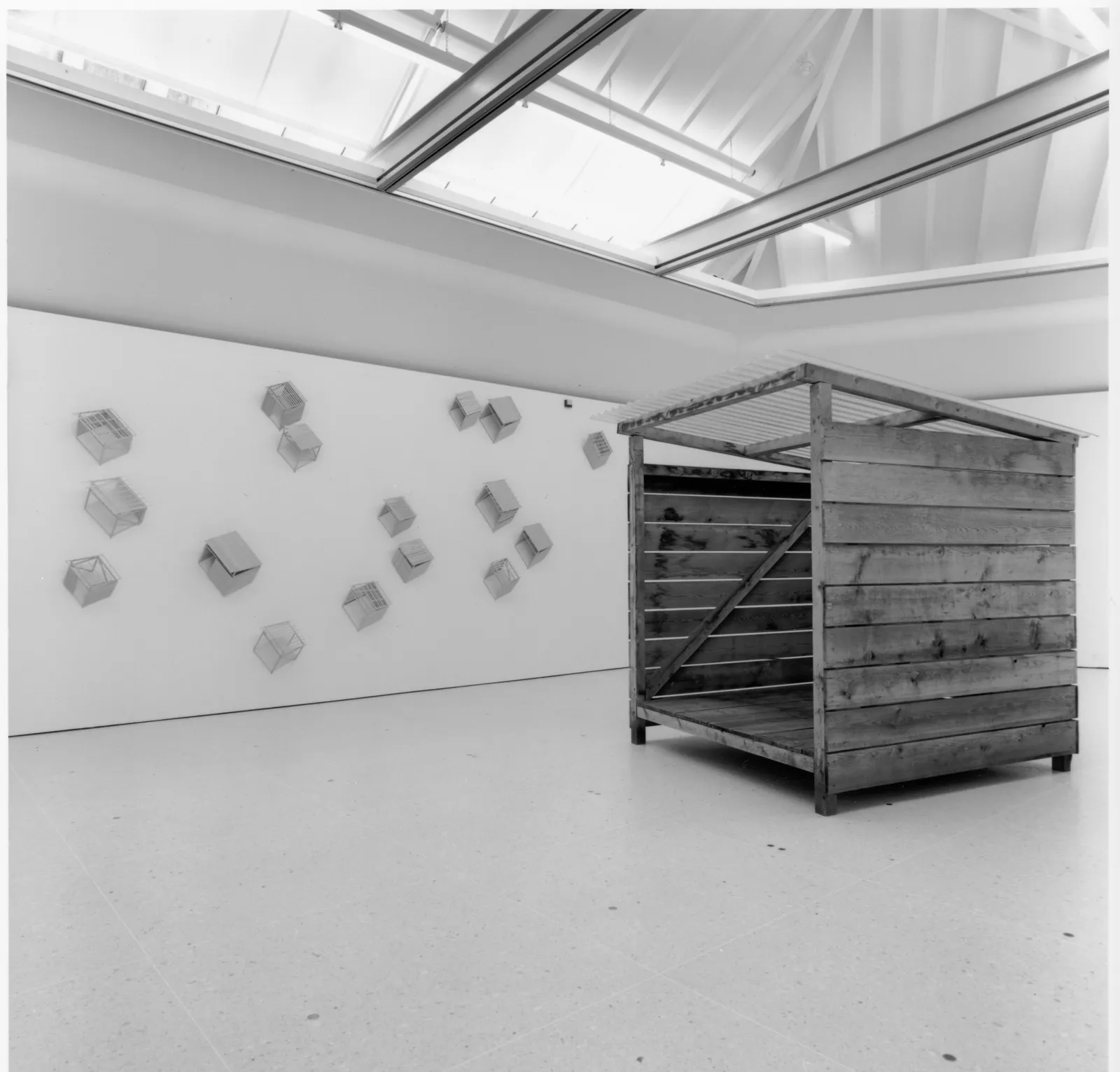
This was his first opportunity to develop and carry out a major project over a period of several years. He called it Work in Progress in Zug. It referred exclusively to public space, the Kunsthaus thus stepped outside its walls and opened up boundaries. As a reaction to the conditions that were unfamiliar to him Kawamata had conceived new kinds of works. They were presented in this first exhibition with large installations, models and a video.
Tadashi Kawamata. Work in Progress in Zug
Project Collection (2)
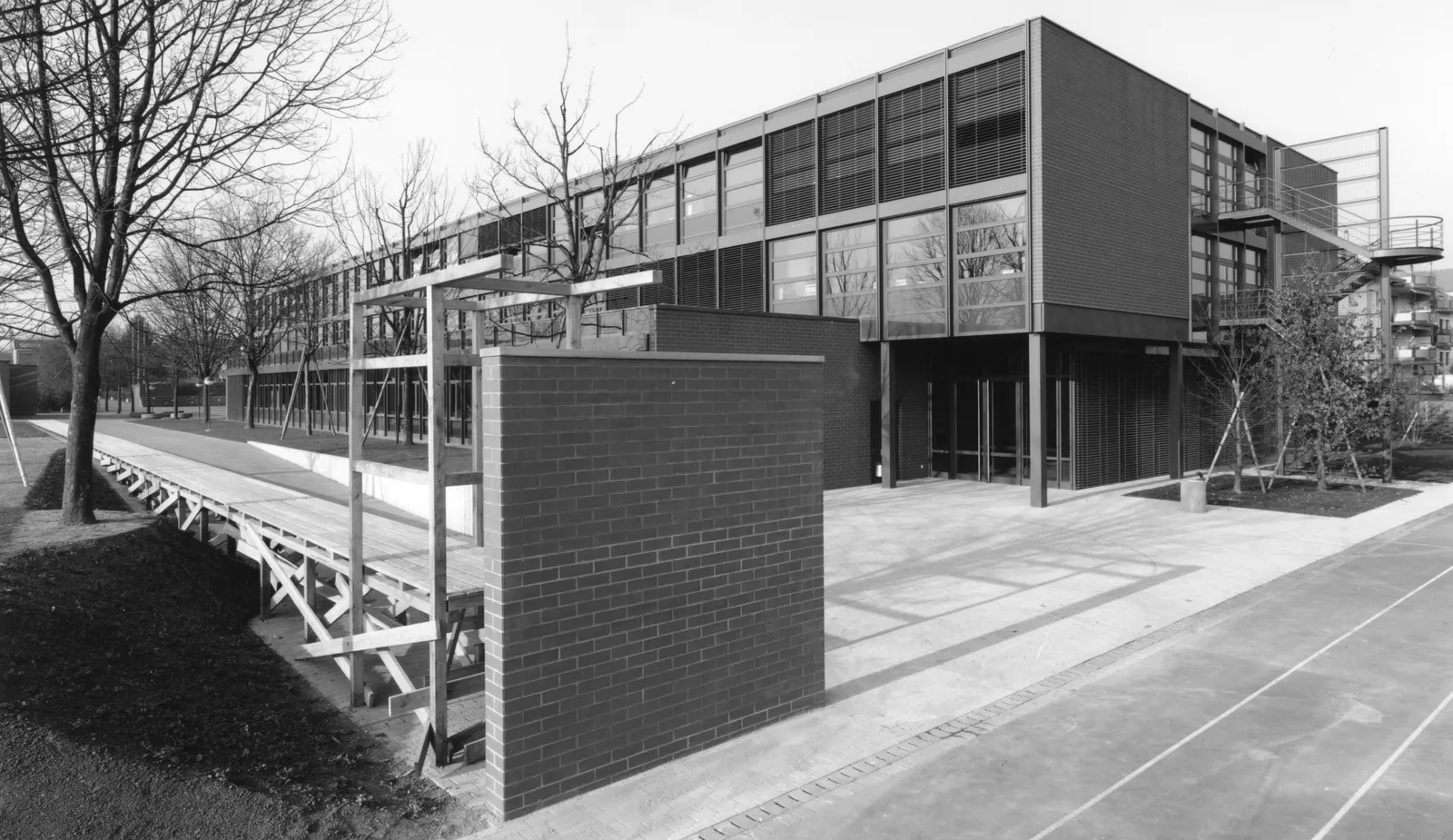
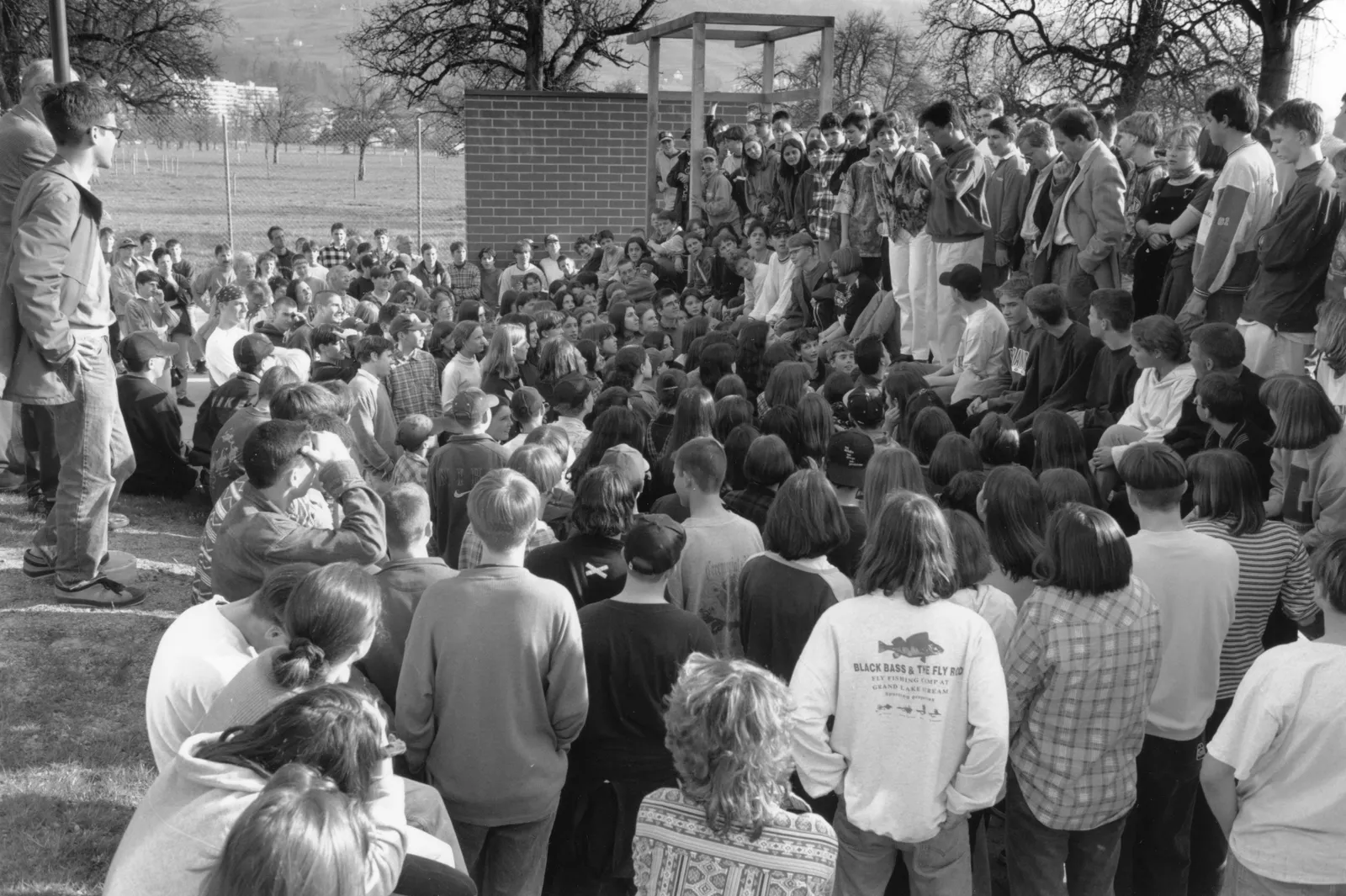
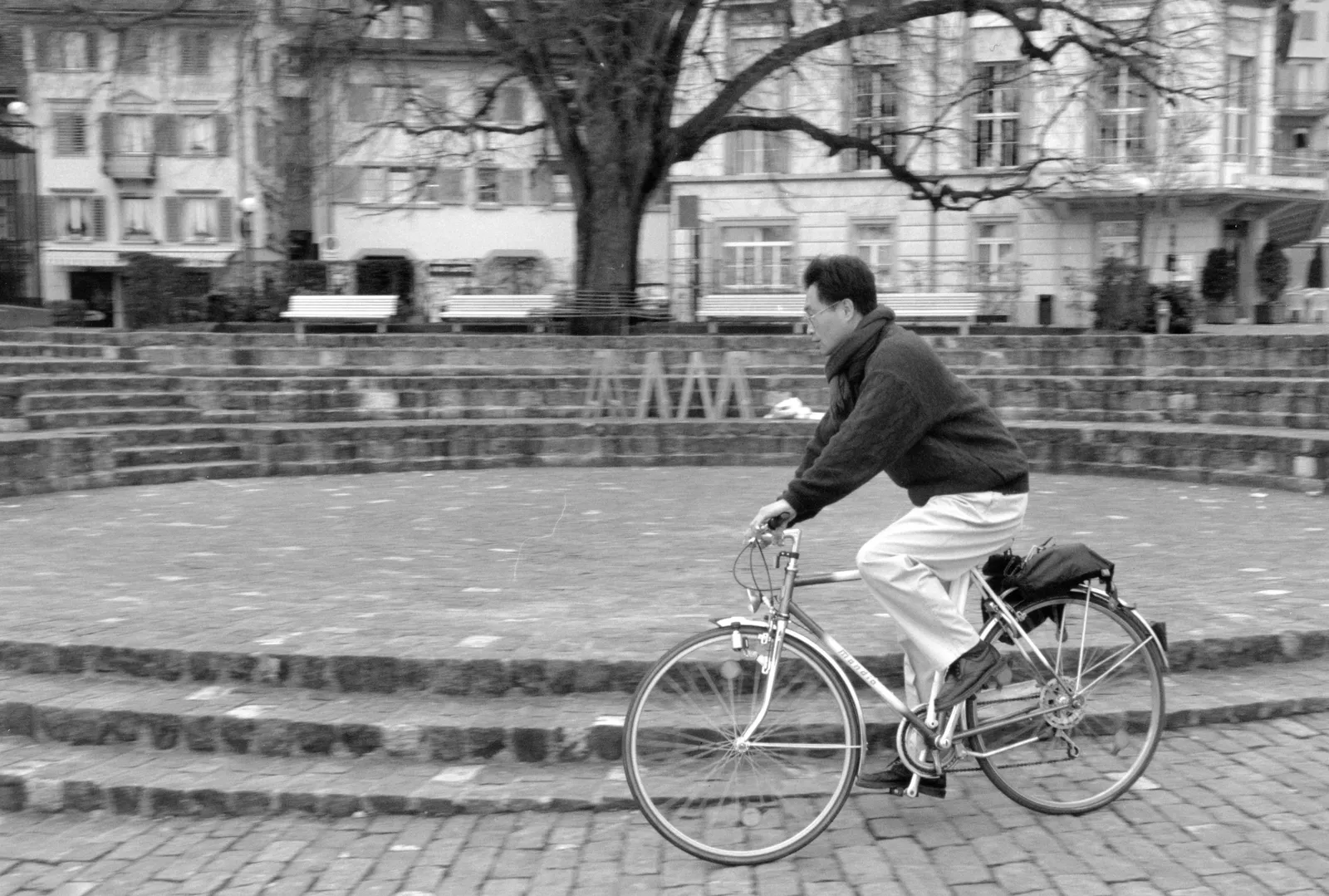
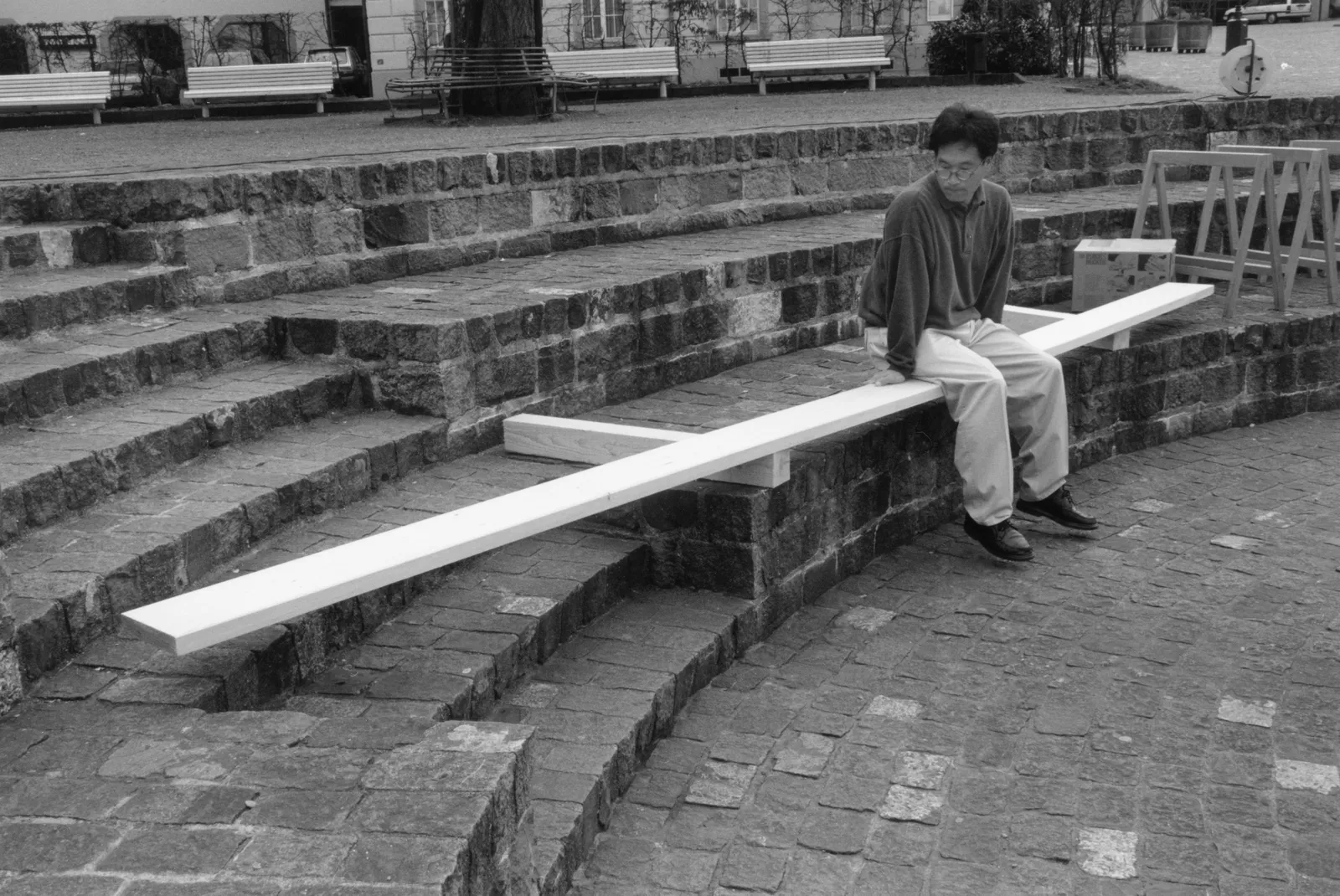
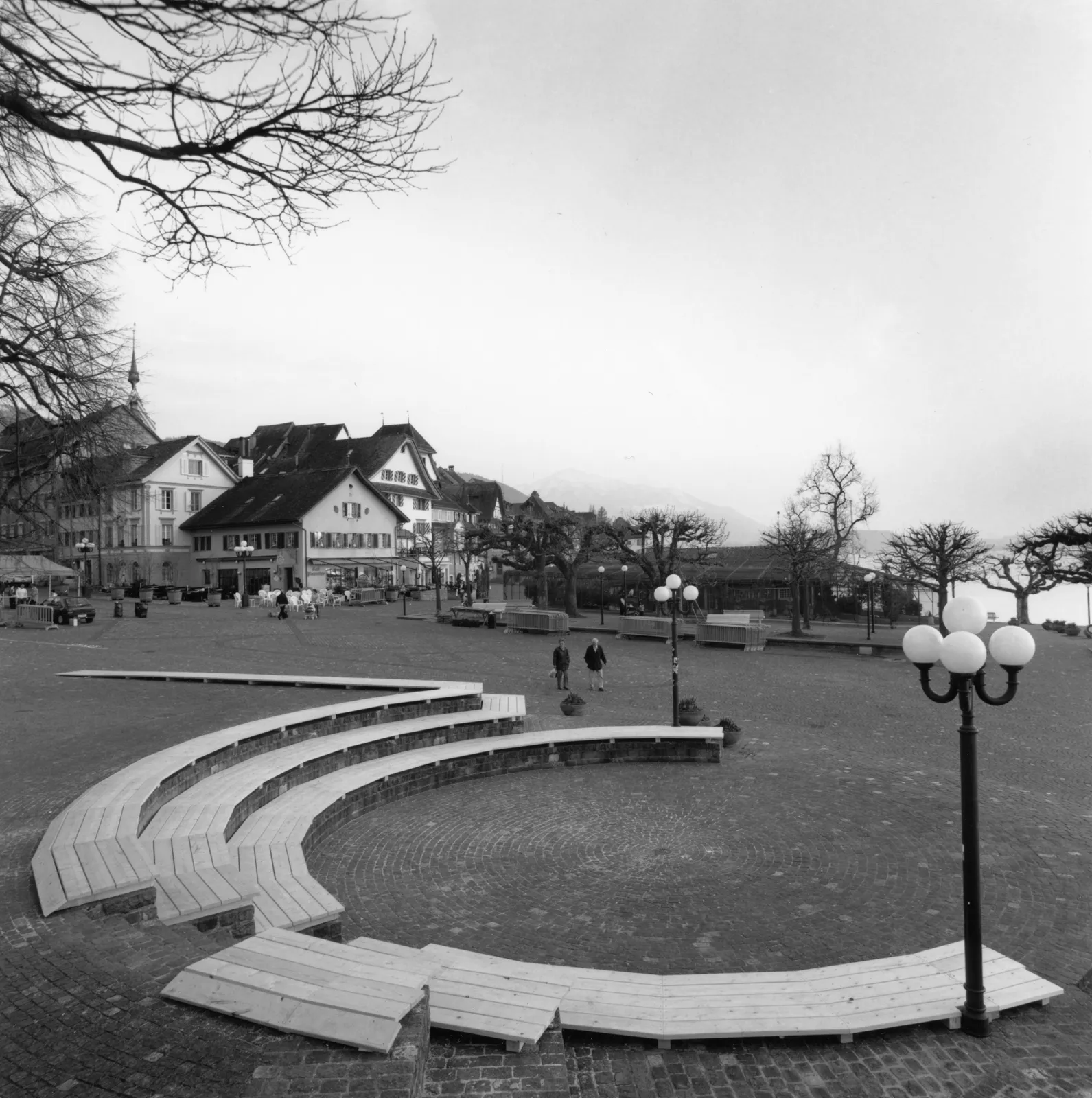
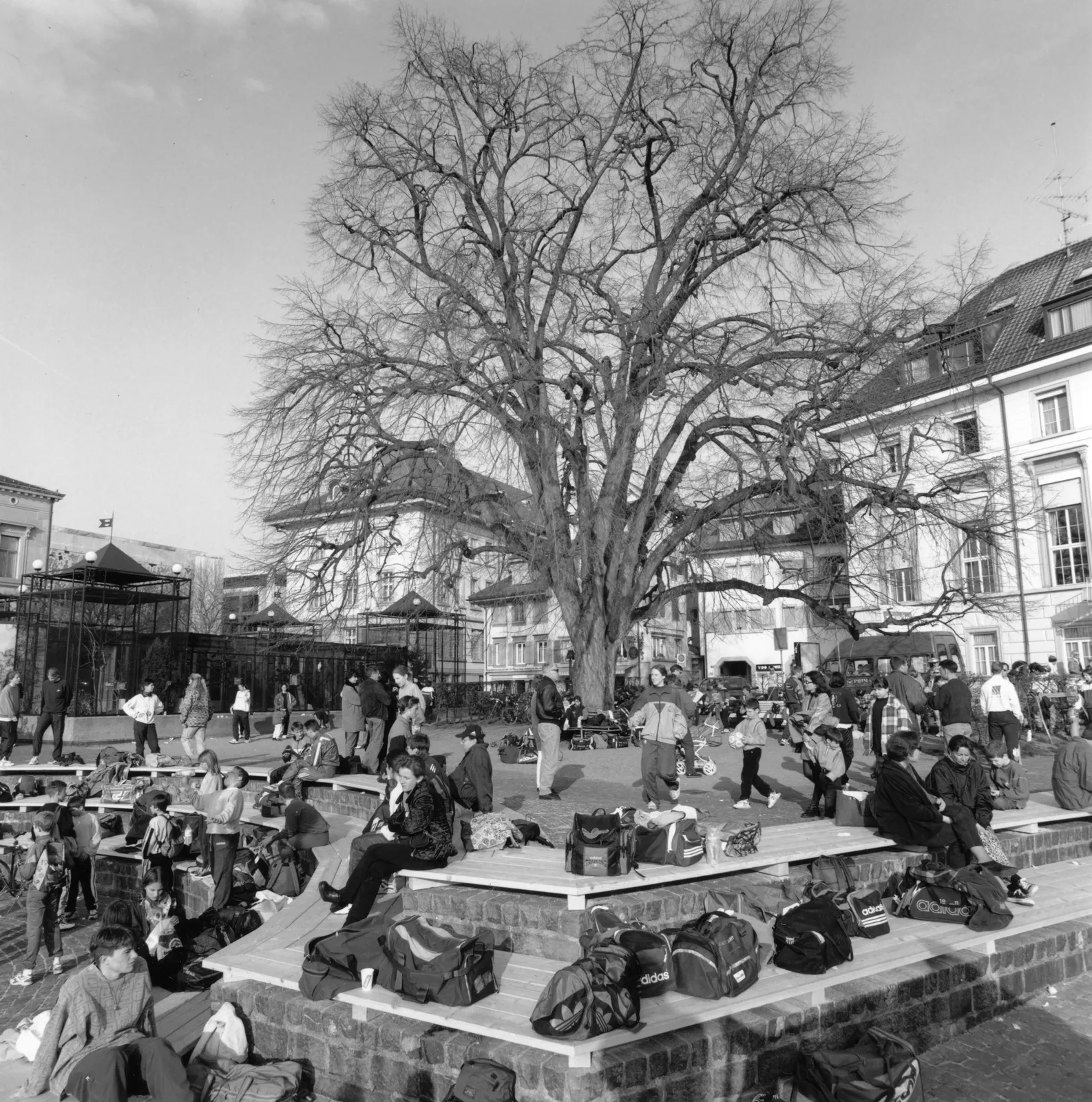
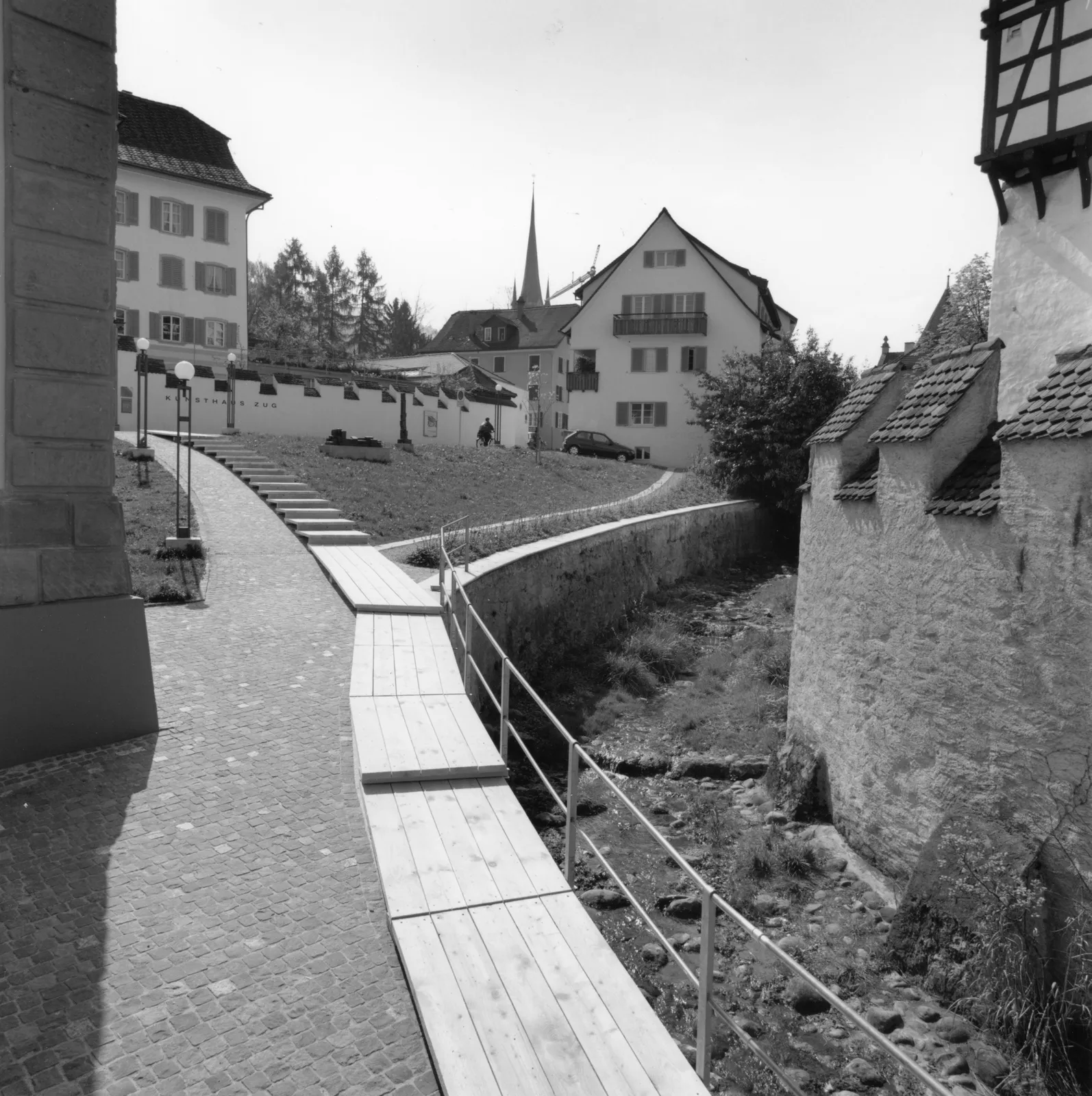
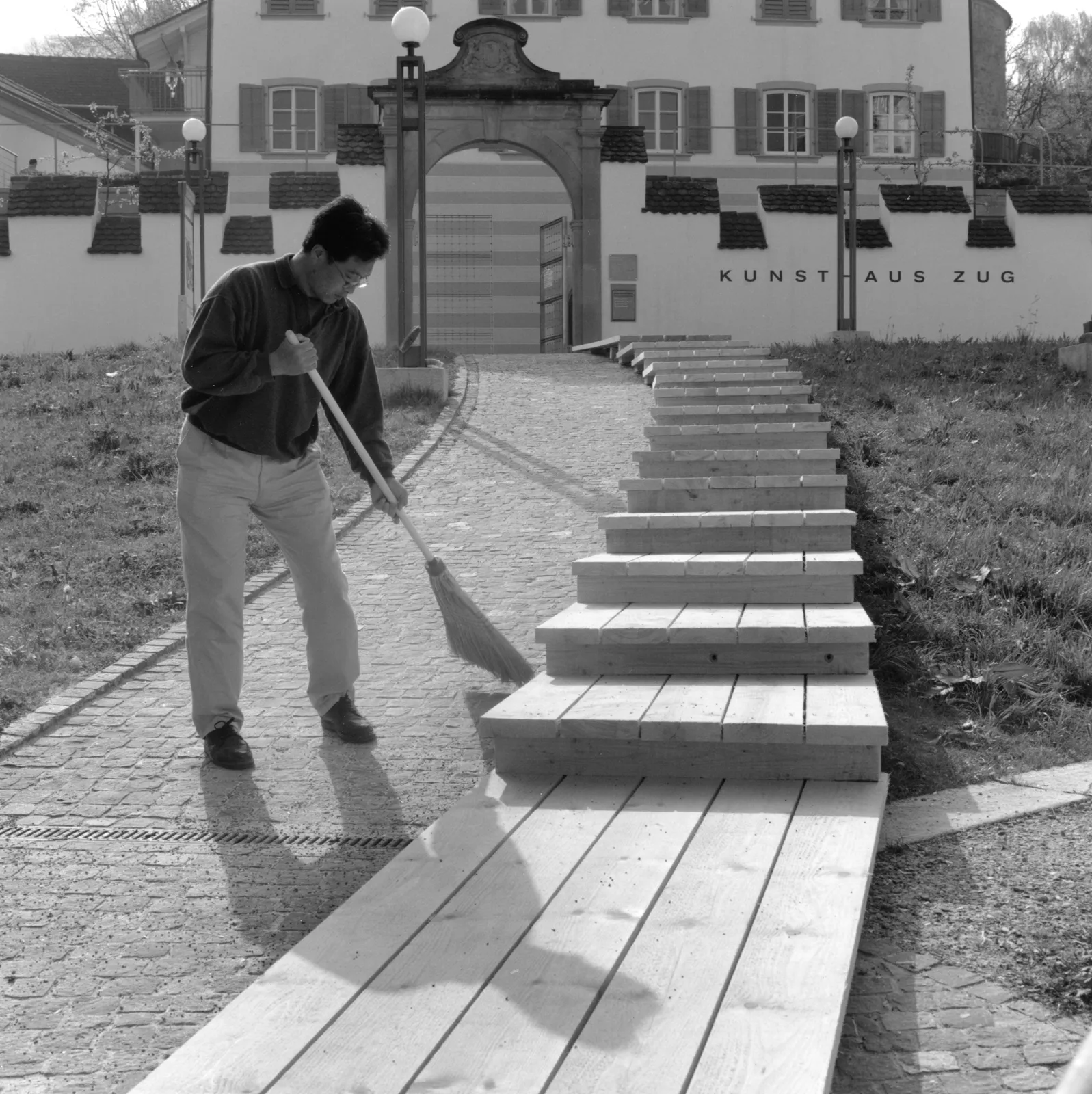
In the second stage of his multi-year projet Work in Progress in Zug Tadashi Kawamata realised his first ideas for the outdoor space. The Sternmatt II school building in Baar received a site-specific wooden walkway with a tower, the artist provided the small arena on Landsgemeindeplatz with wooden panelling that is comfortable to sit on, and the walkway from Burgbachplatz to Kunsthaus Zug was highlighted with a stair-shaped “passage”. Various new wooden models were on display in the Kunsthaus, illustrating the internationally renowned artist's intensive engagement with Zug.
Tadashi Kawamata. Work in Progress in Zug
Project Collection (3)
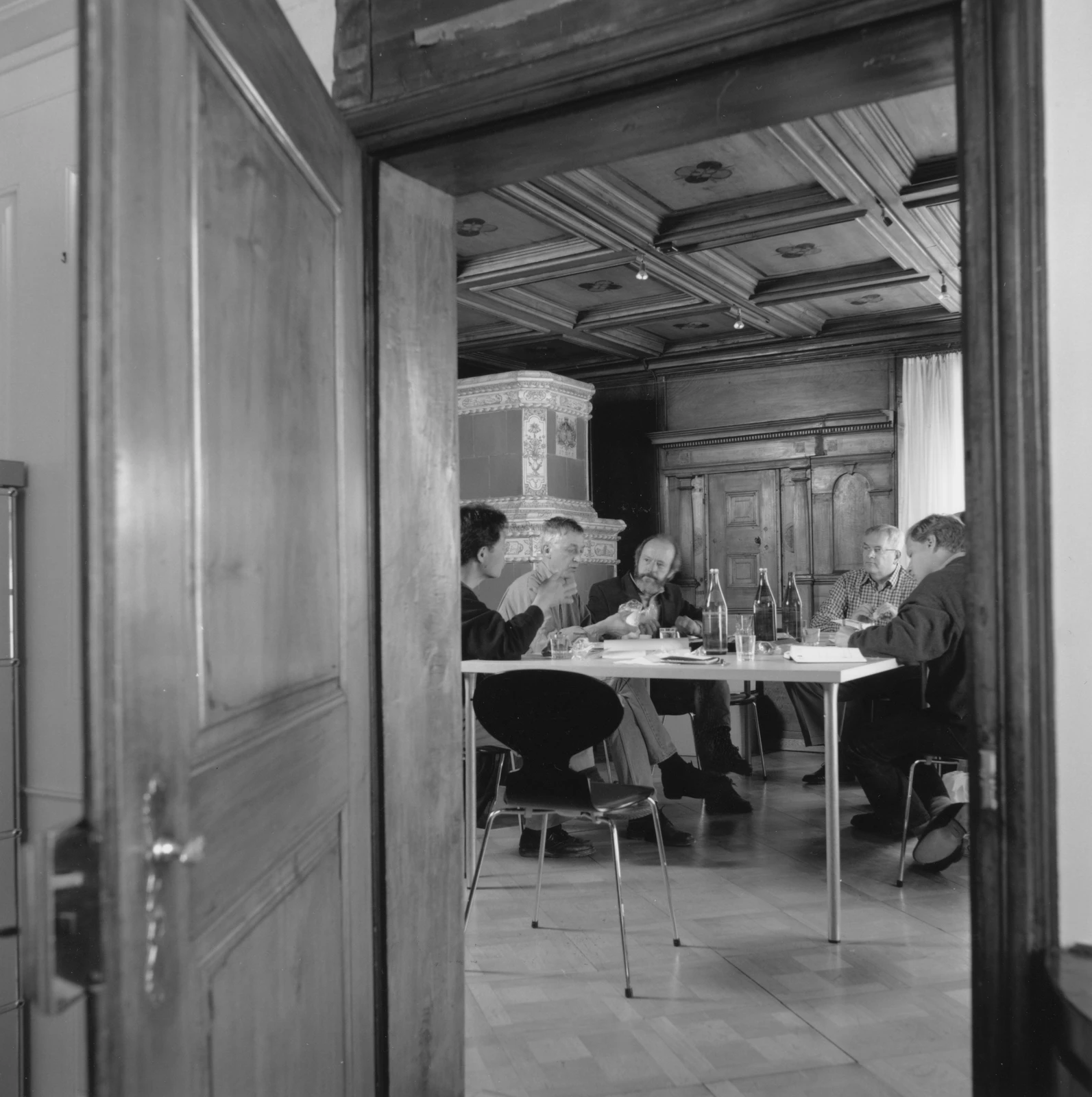
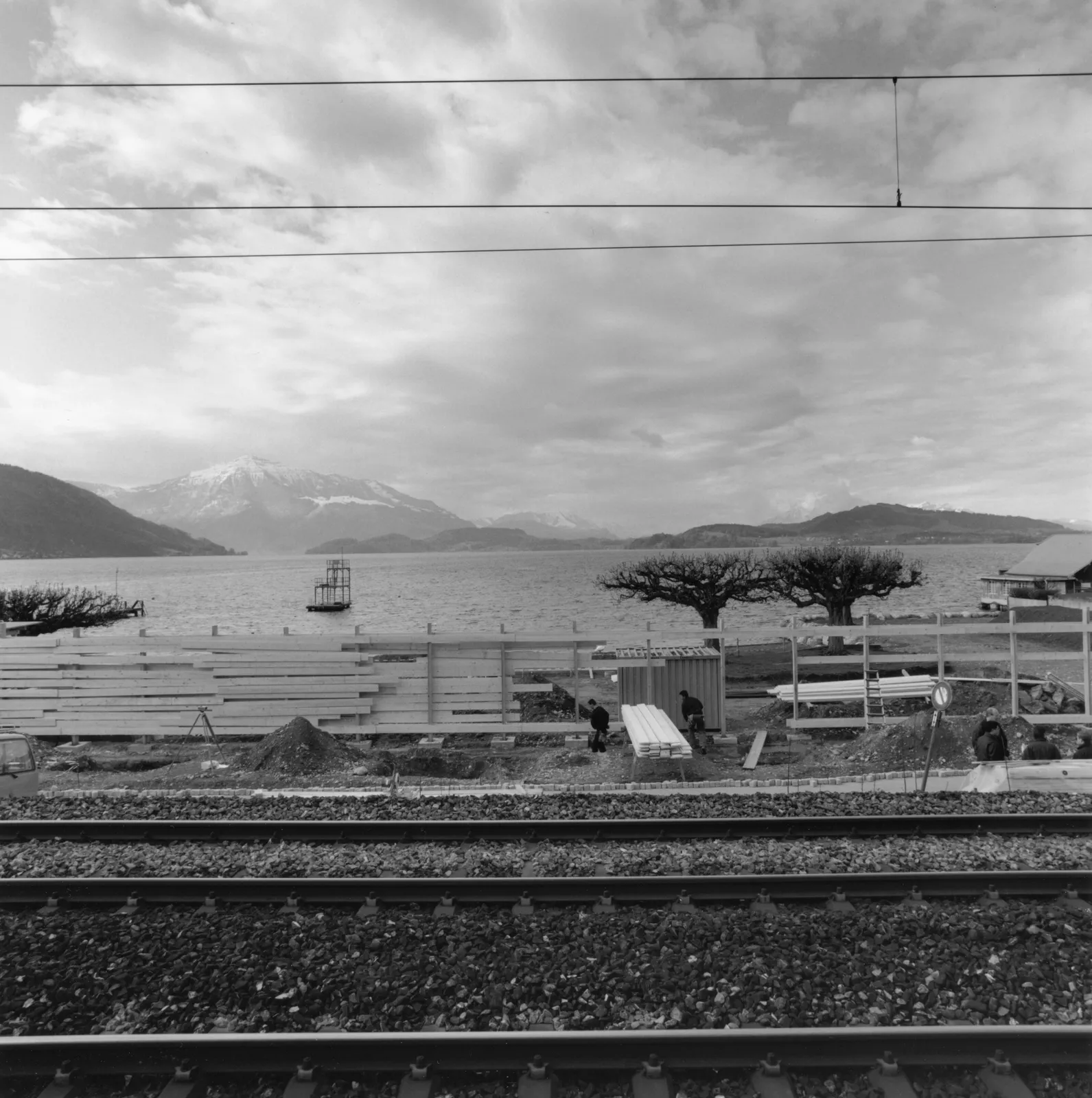
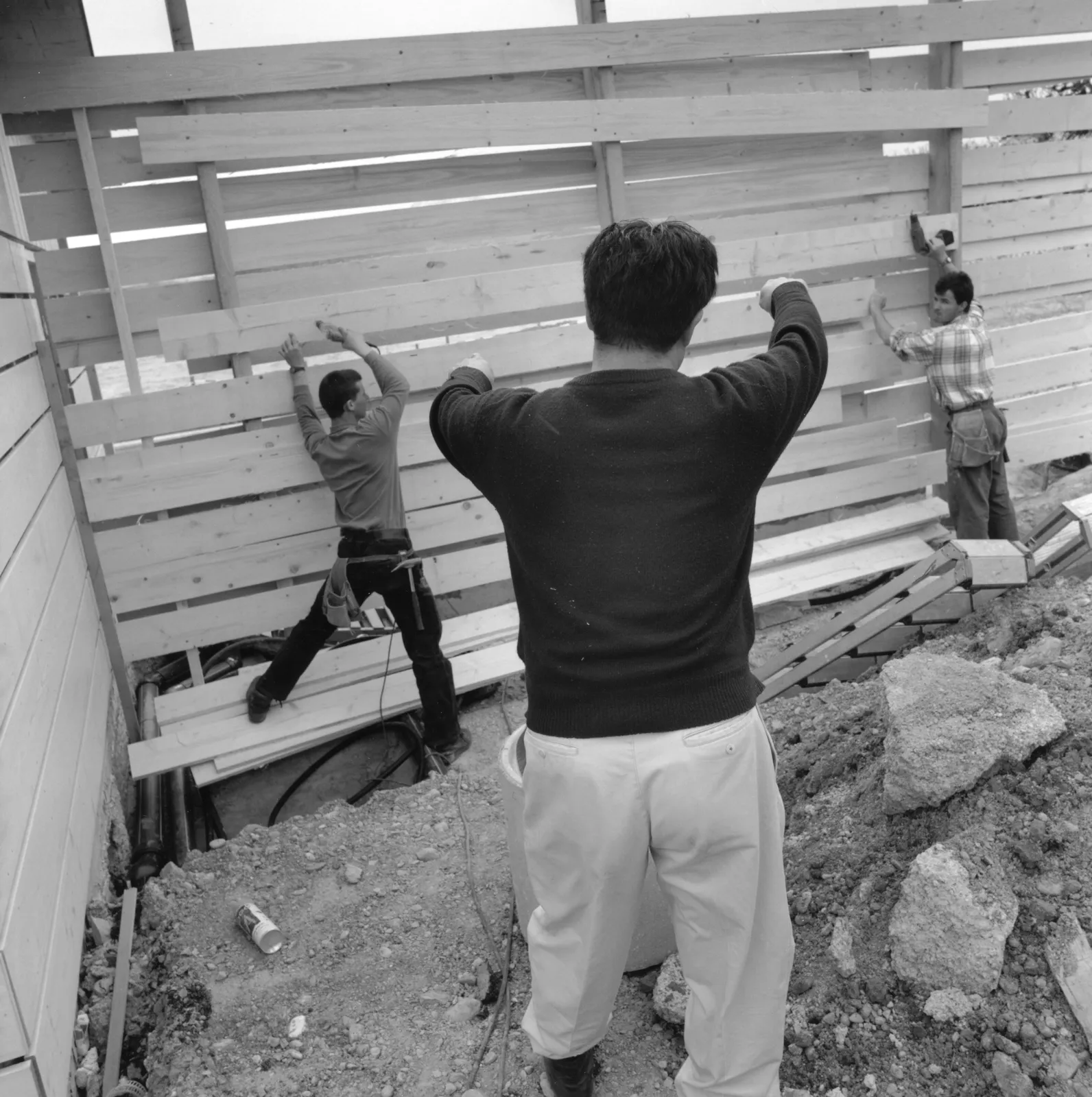
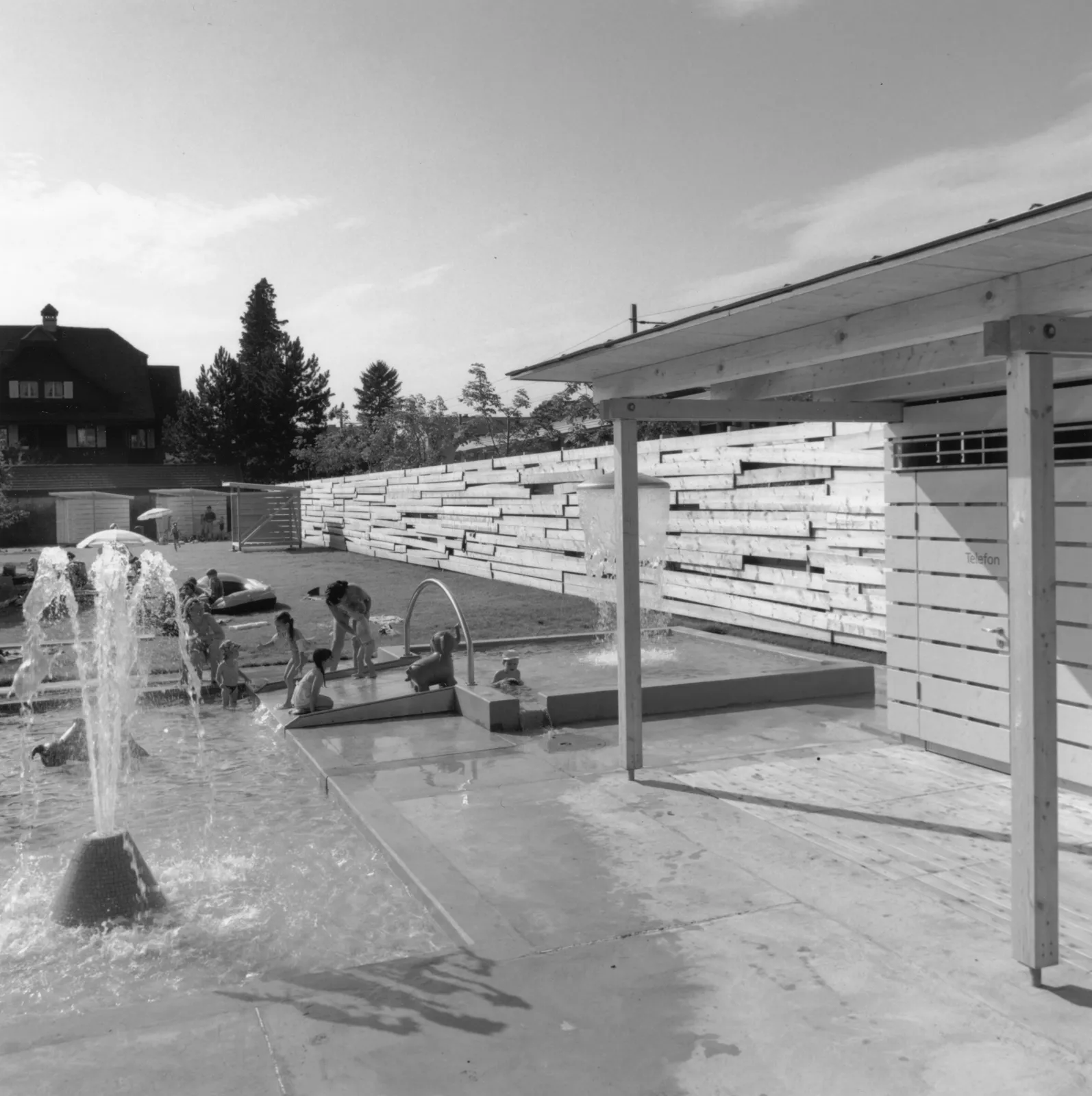
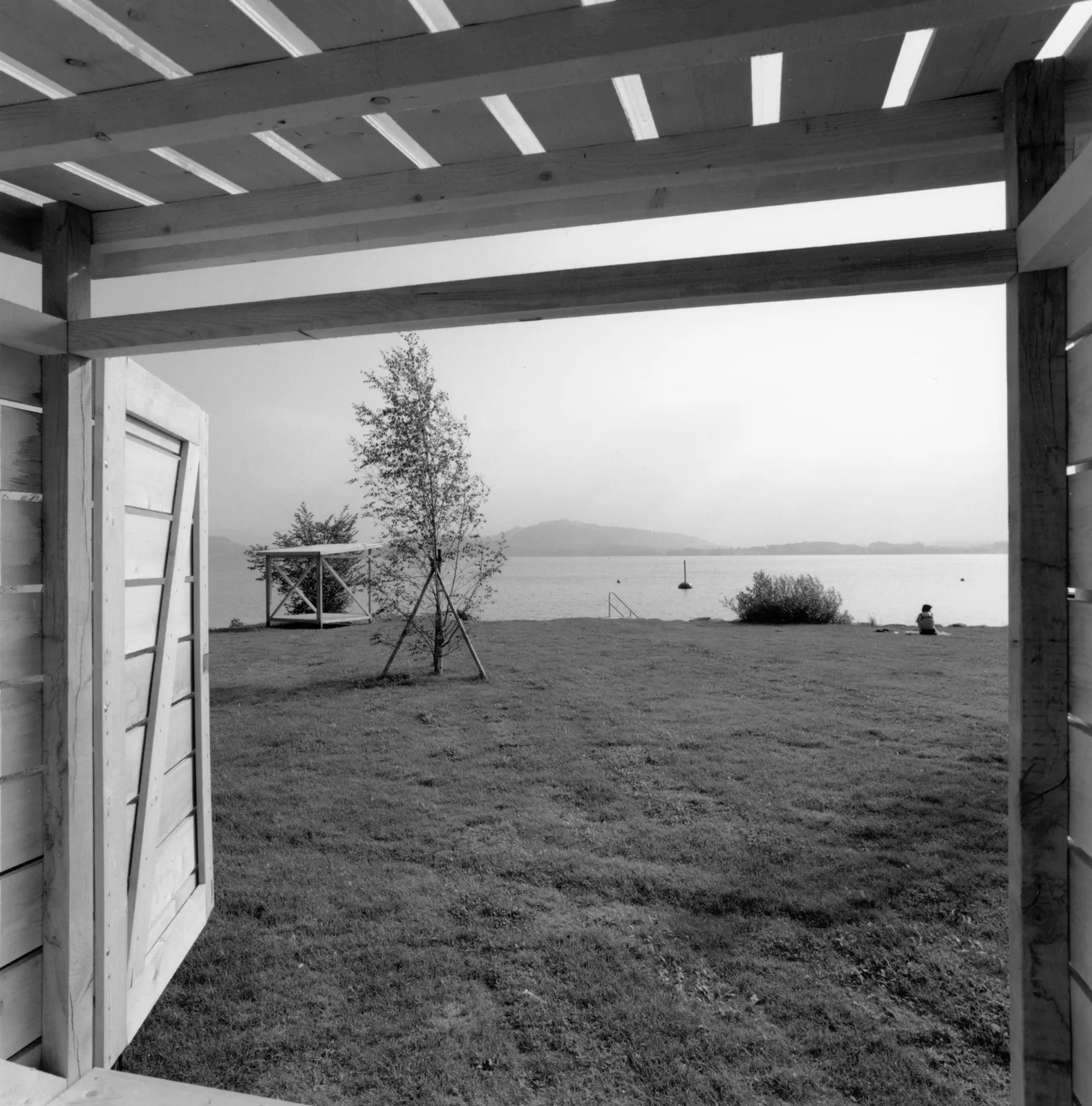
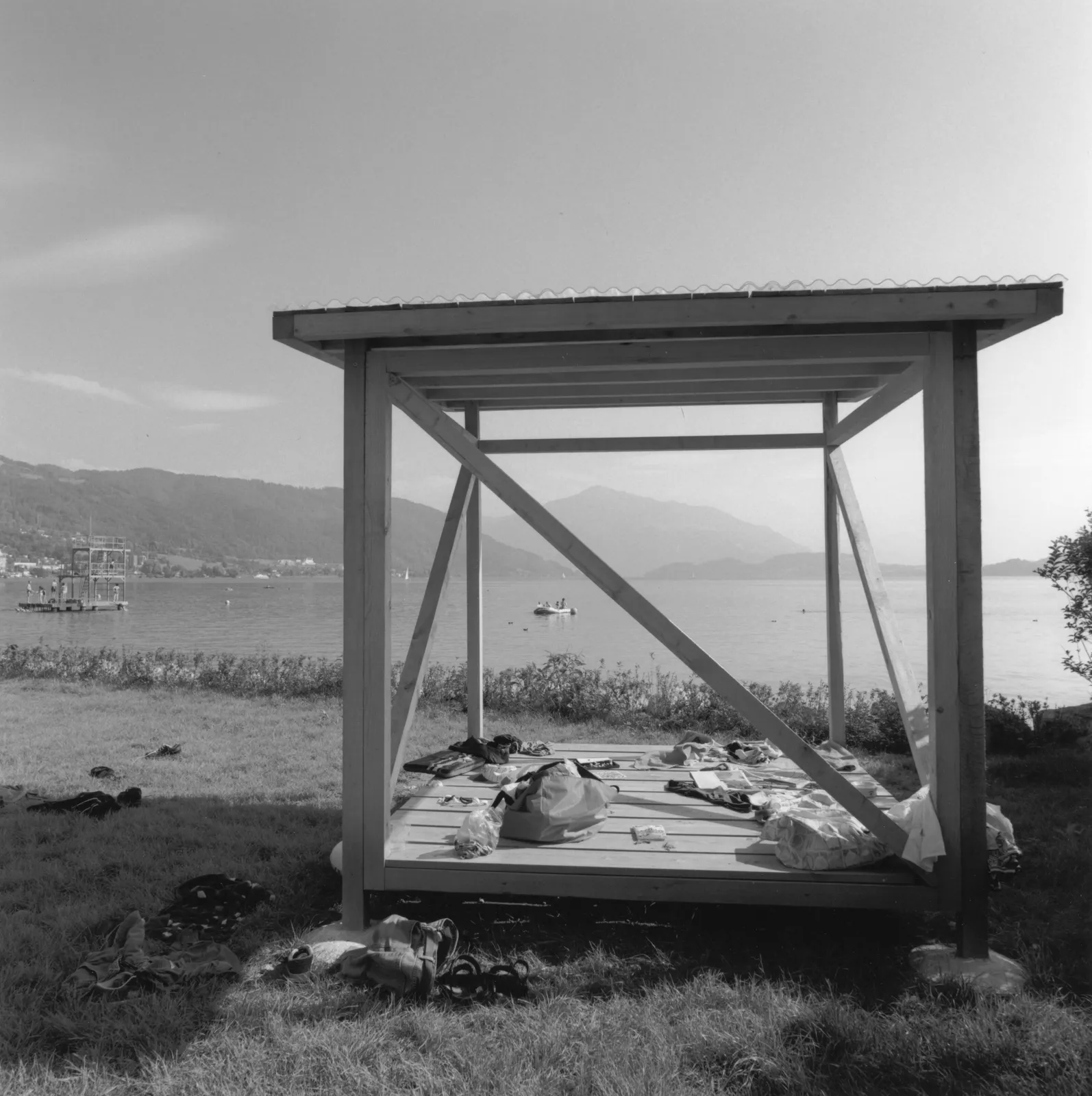
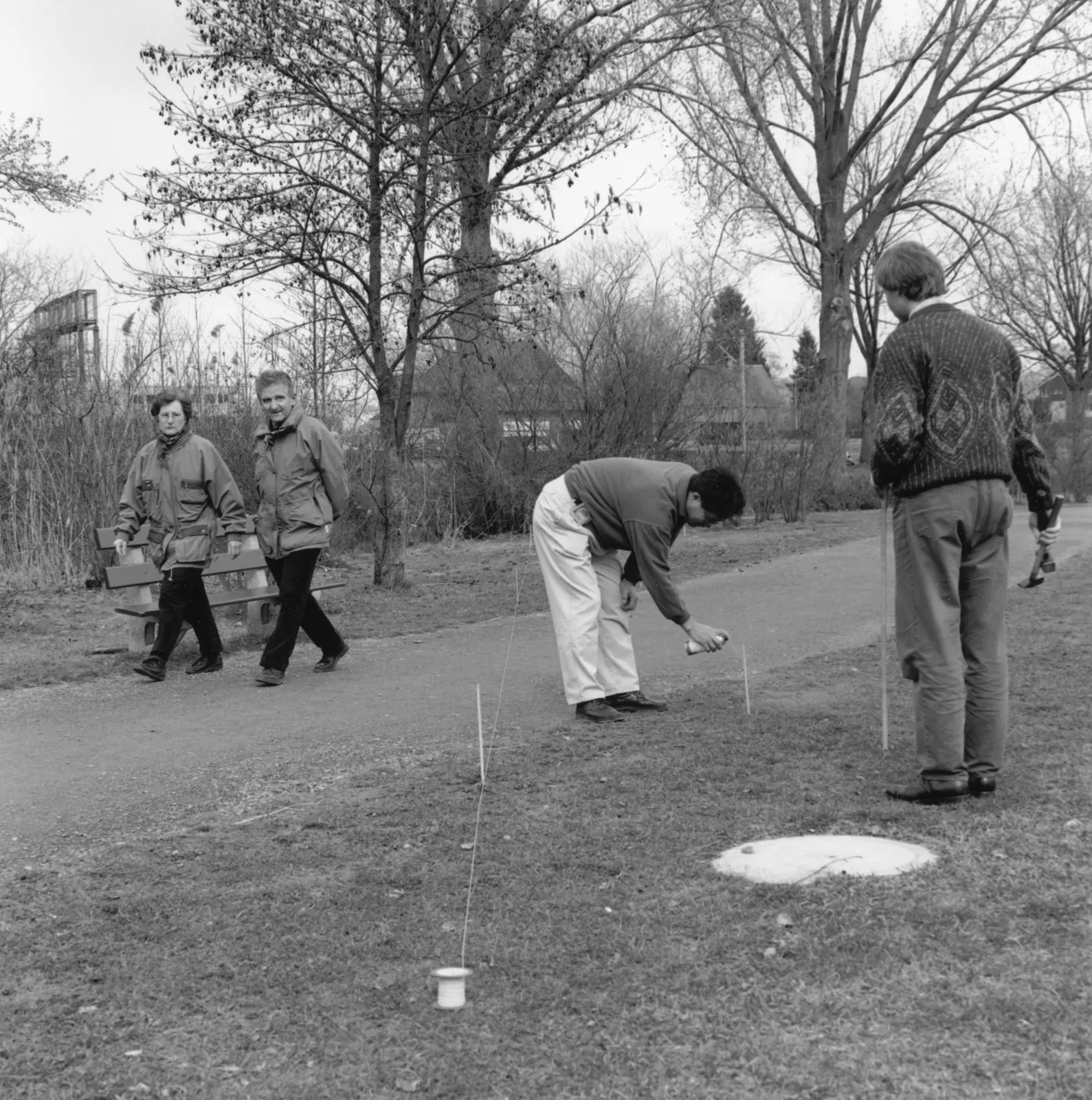
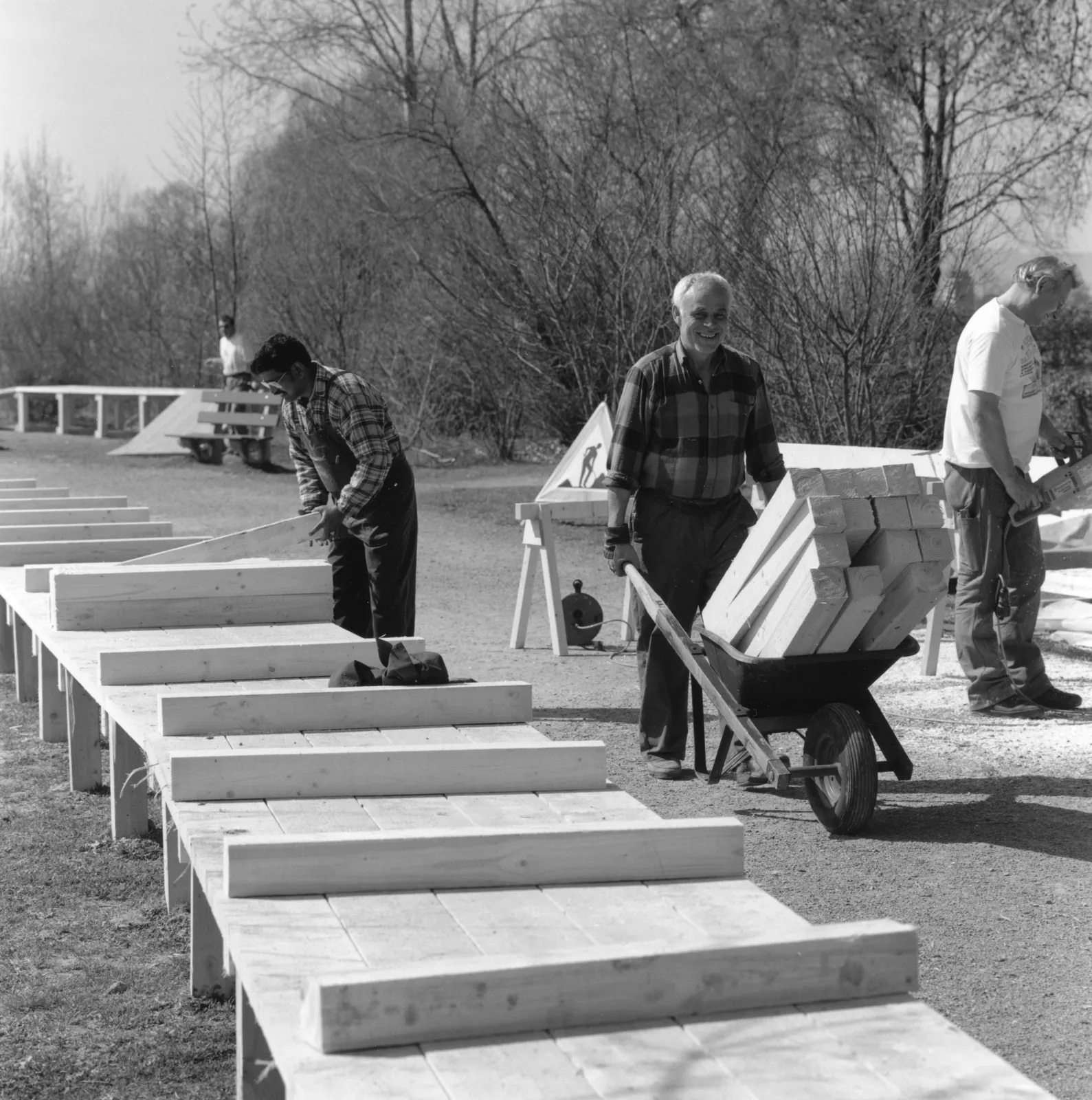
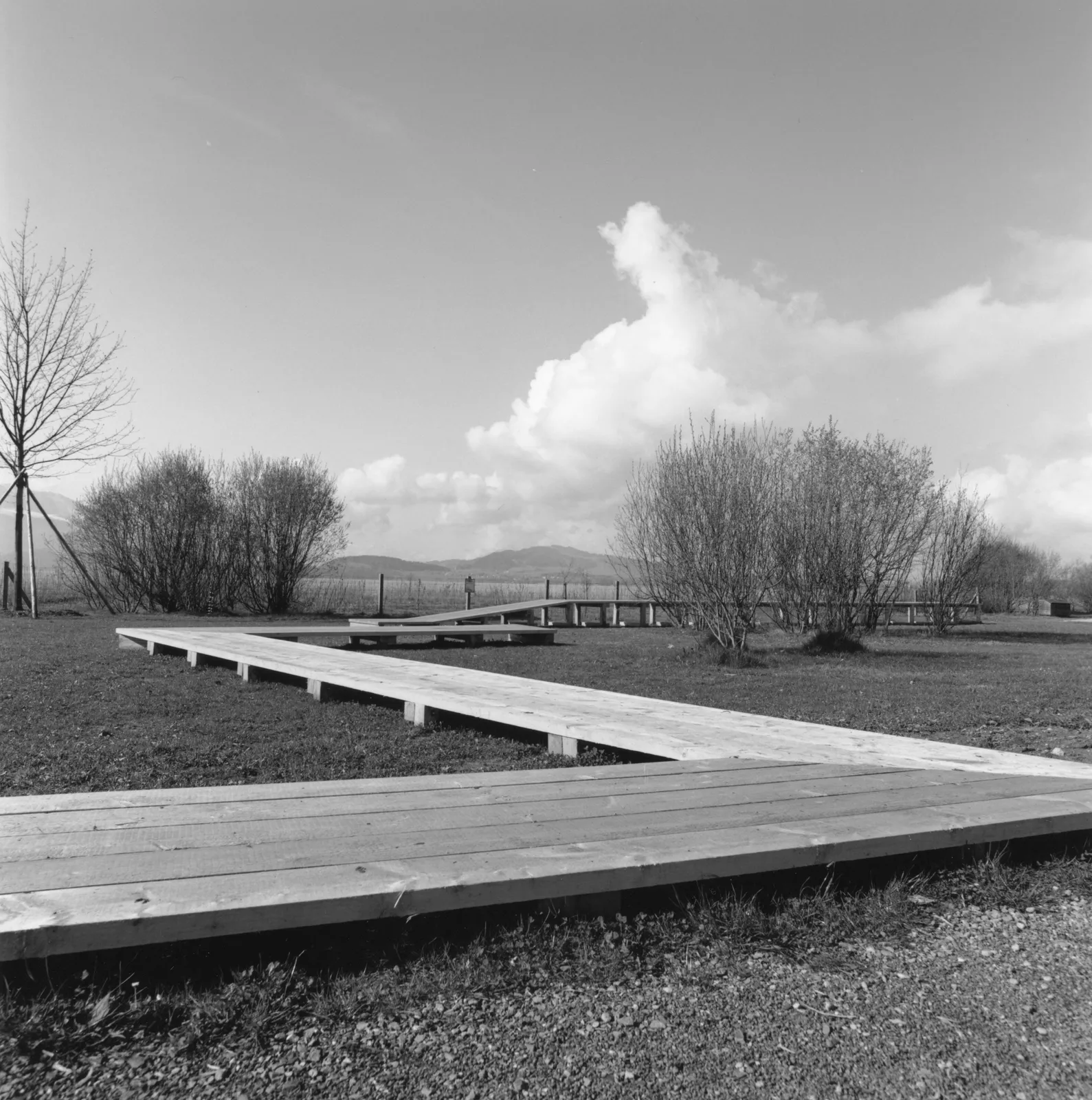
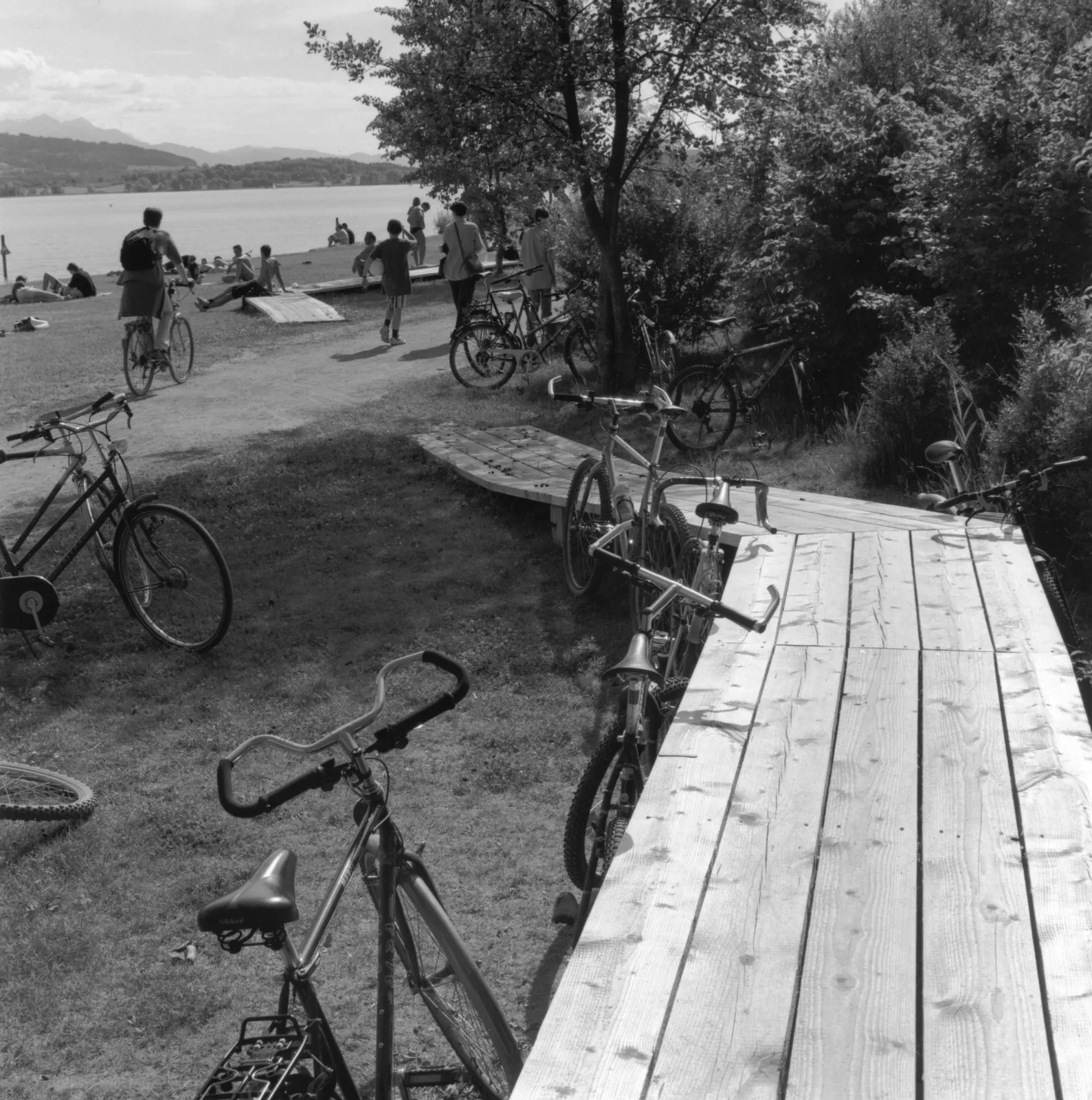
As part of Kunsthaus Zug's multi-year collaboration with Tadashi Kawamata, the Japanese artist created various wooden installations. In the Brüggli area, the artist realised various walkways in collaboration with the City of Zug and the Job Exchange Zug, which can also be used as benches or for lying down. In Zug's new lake-side open-air swimming bath, the artist realised further permanent installations: Ten bathing huts and a wooden wall about 100 metres long that closes off the area from the outside. Other installations, which were planned and approved for the duration of a few years, are located on Burgbachplatz (stairs) and on Landsgemeindeplatz (small arena).
Tadashi Kawamata. Work in Progress in Zug
Project Collection (4)
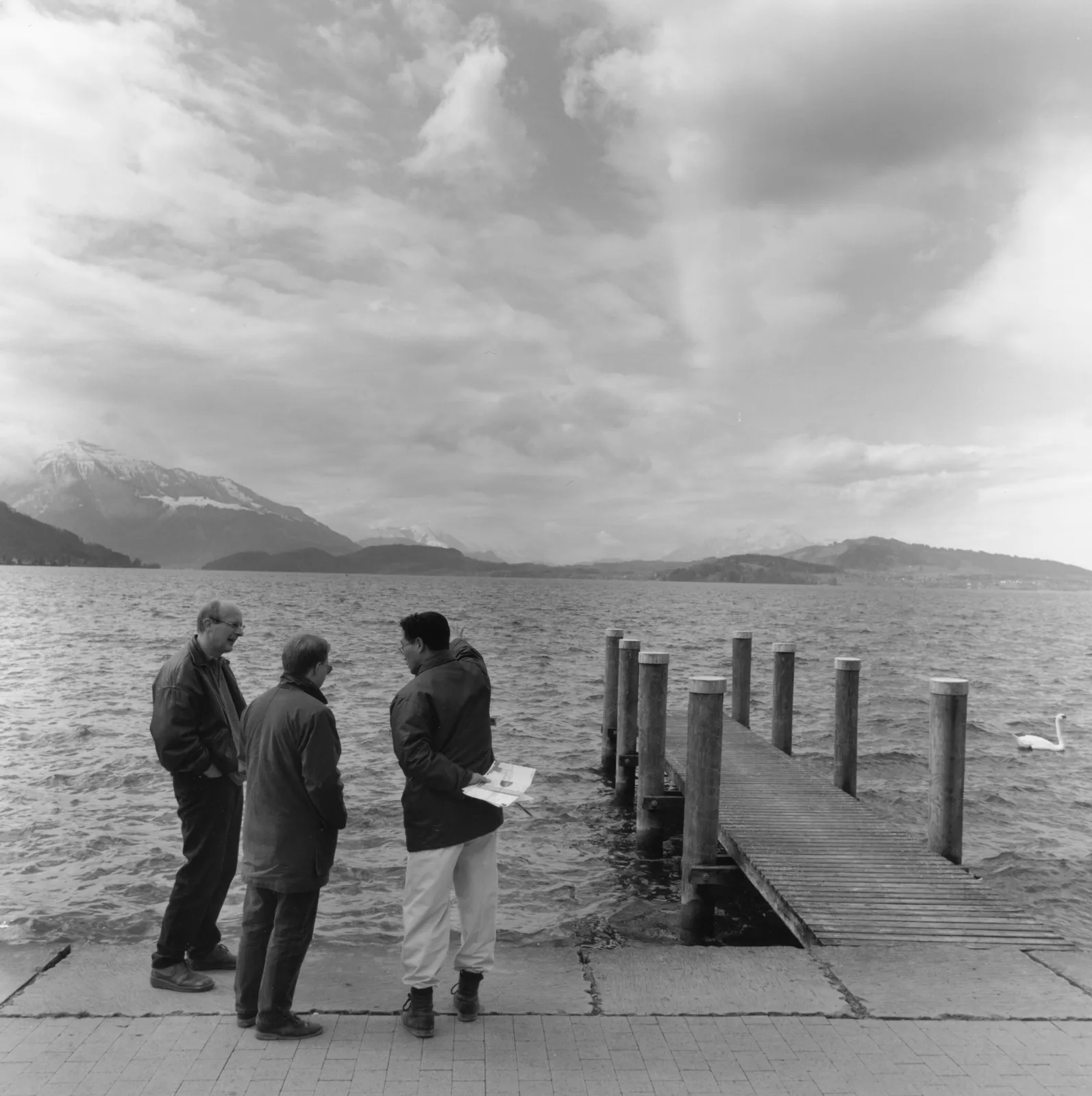
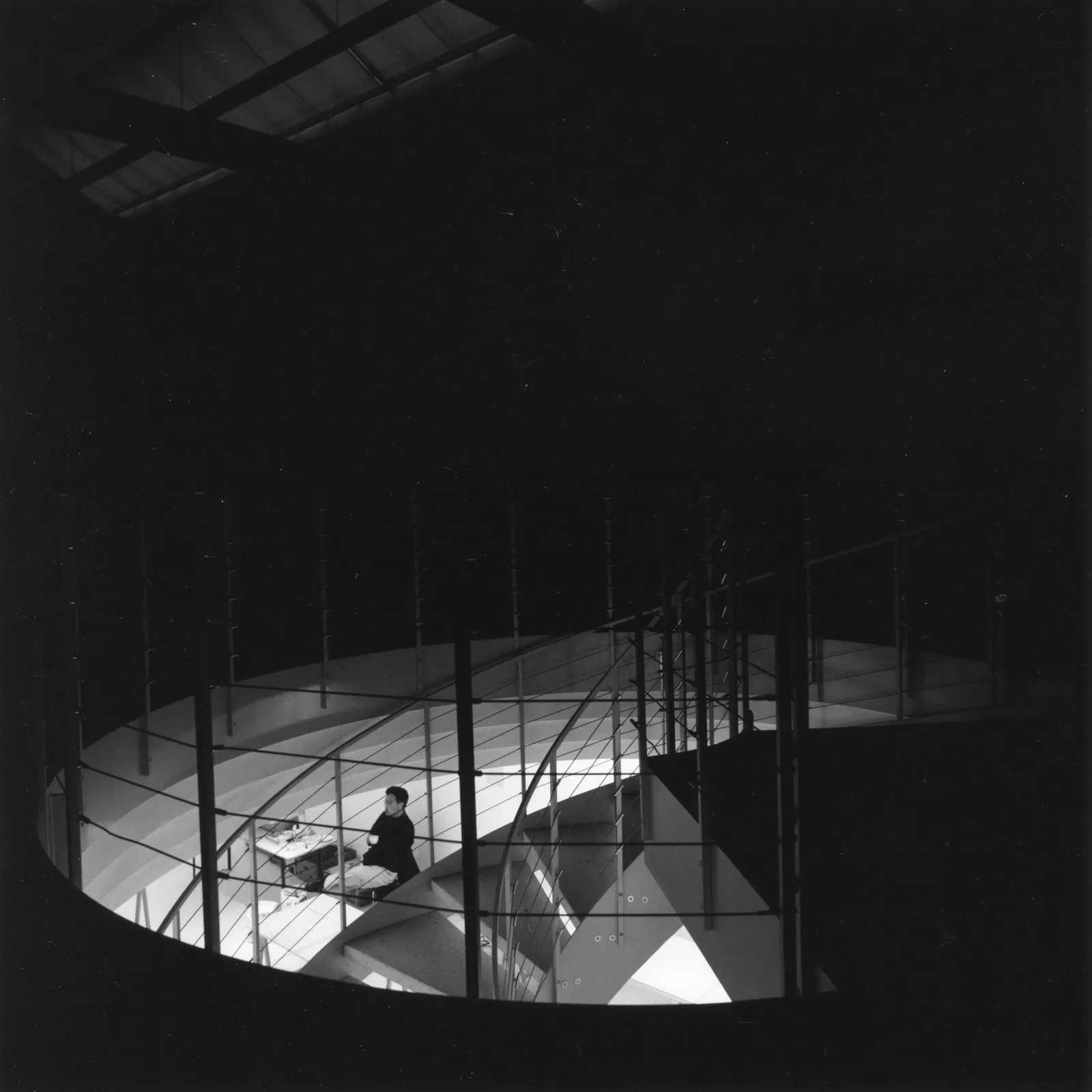
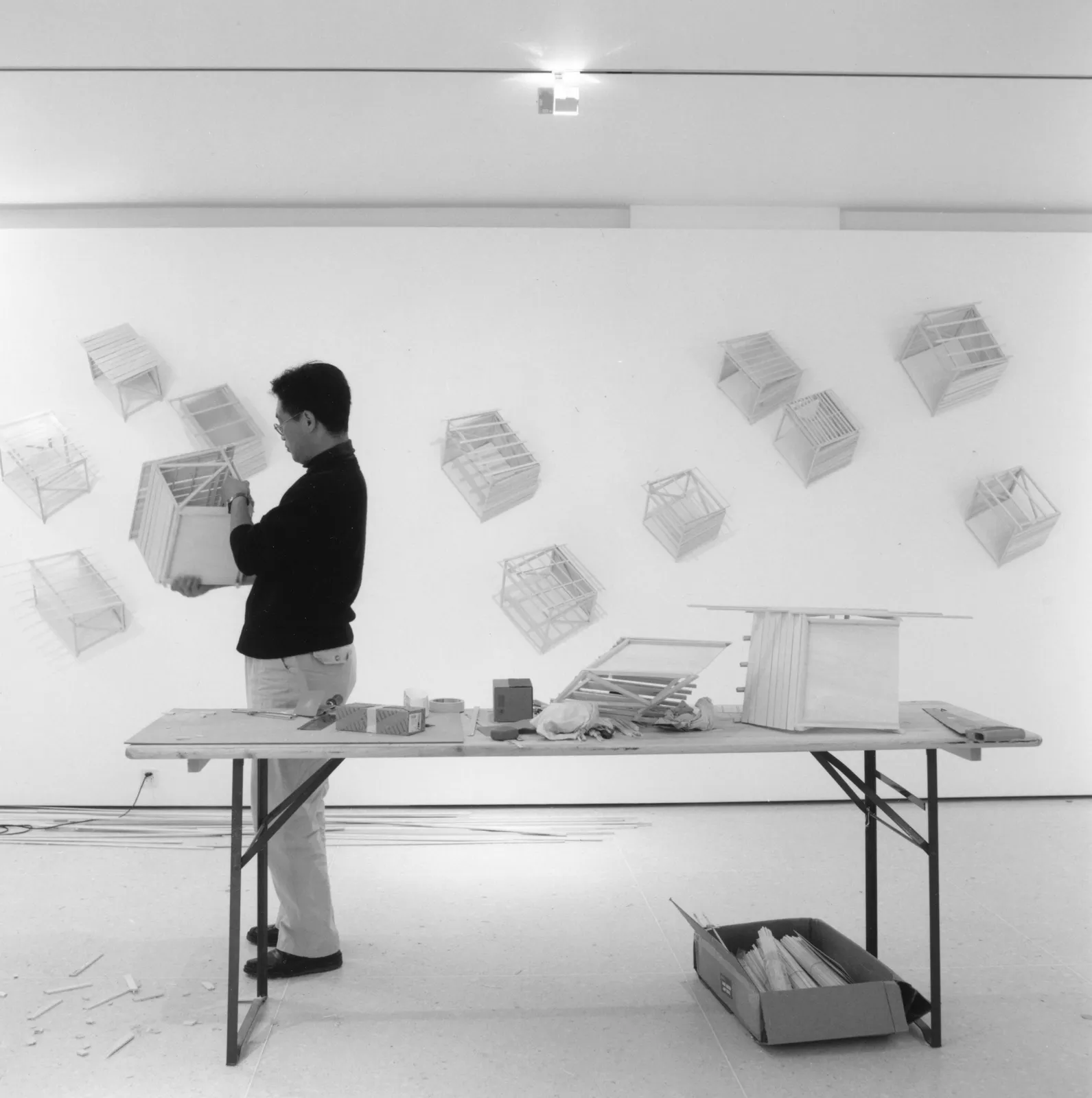
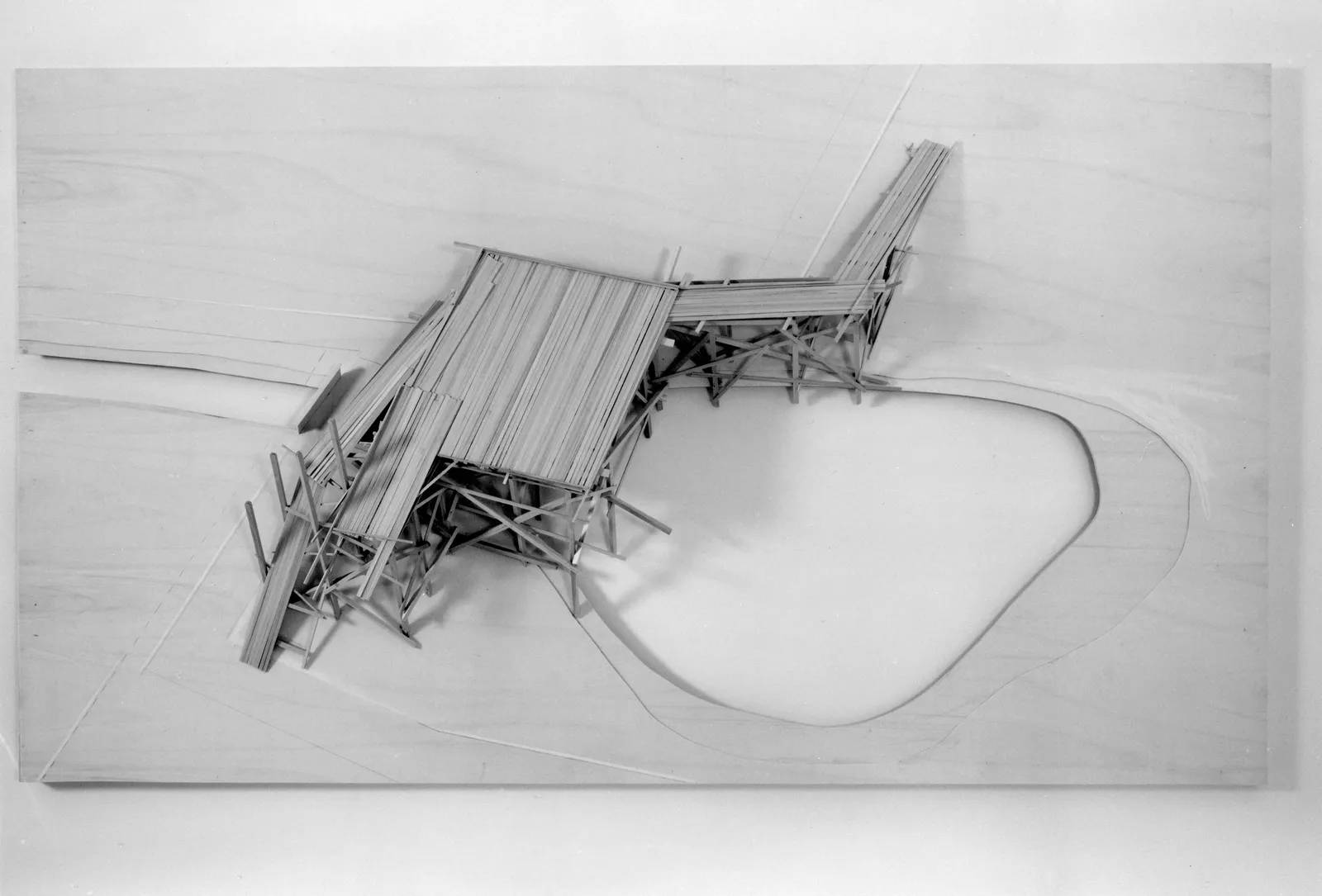
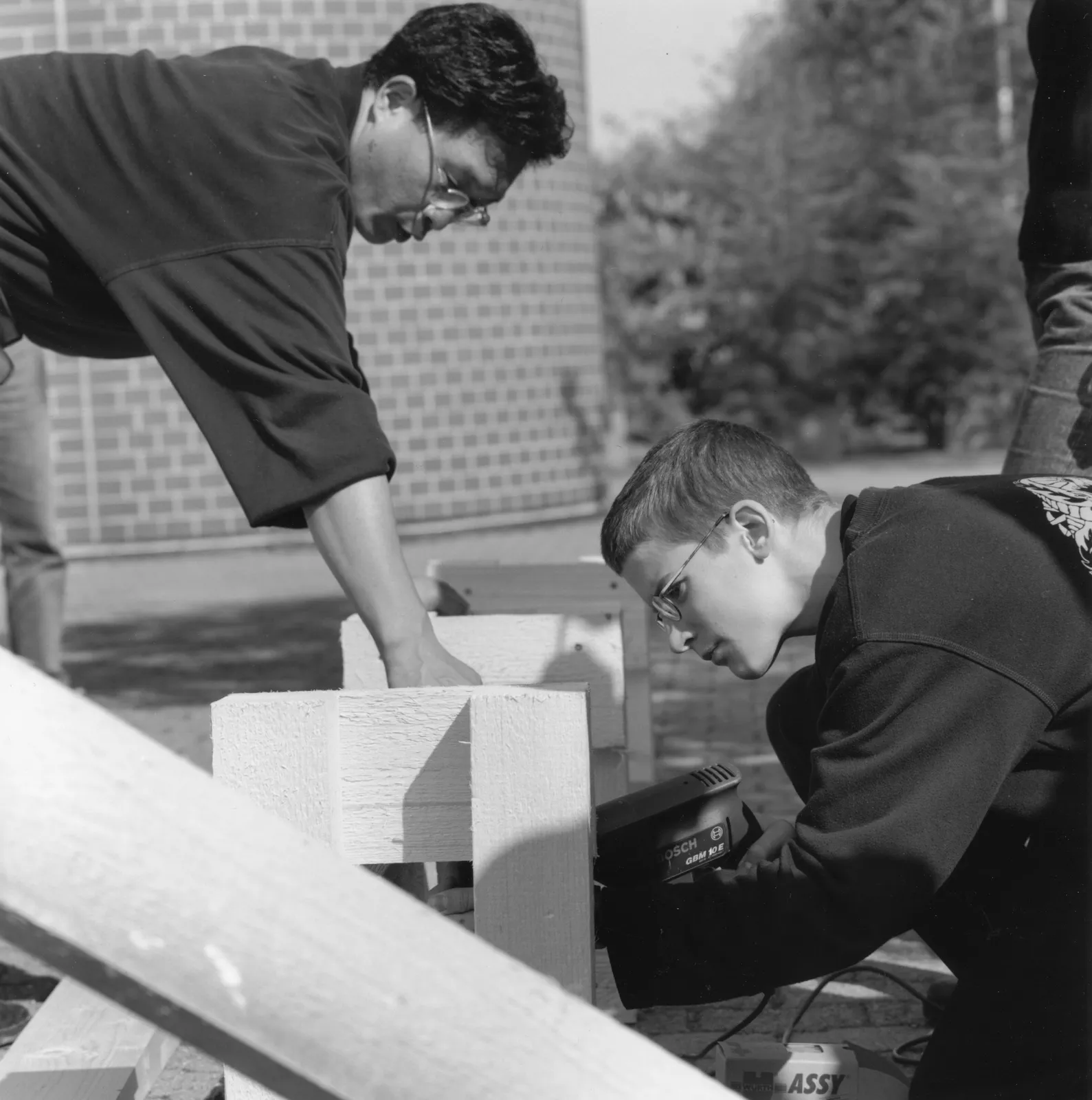
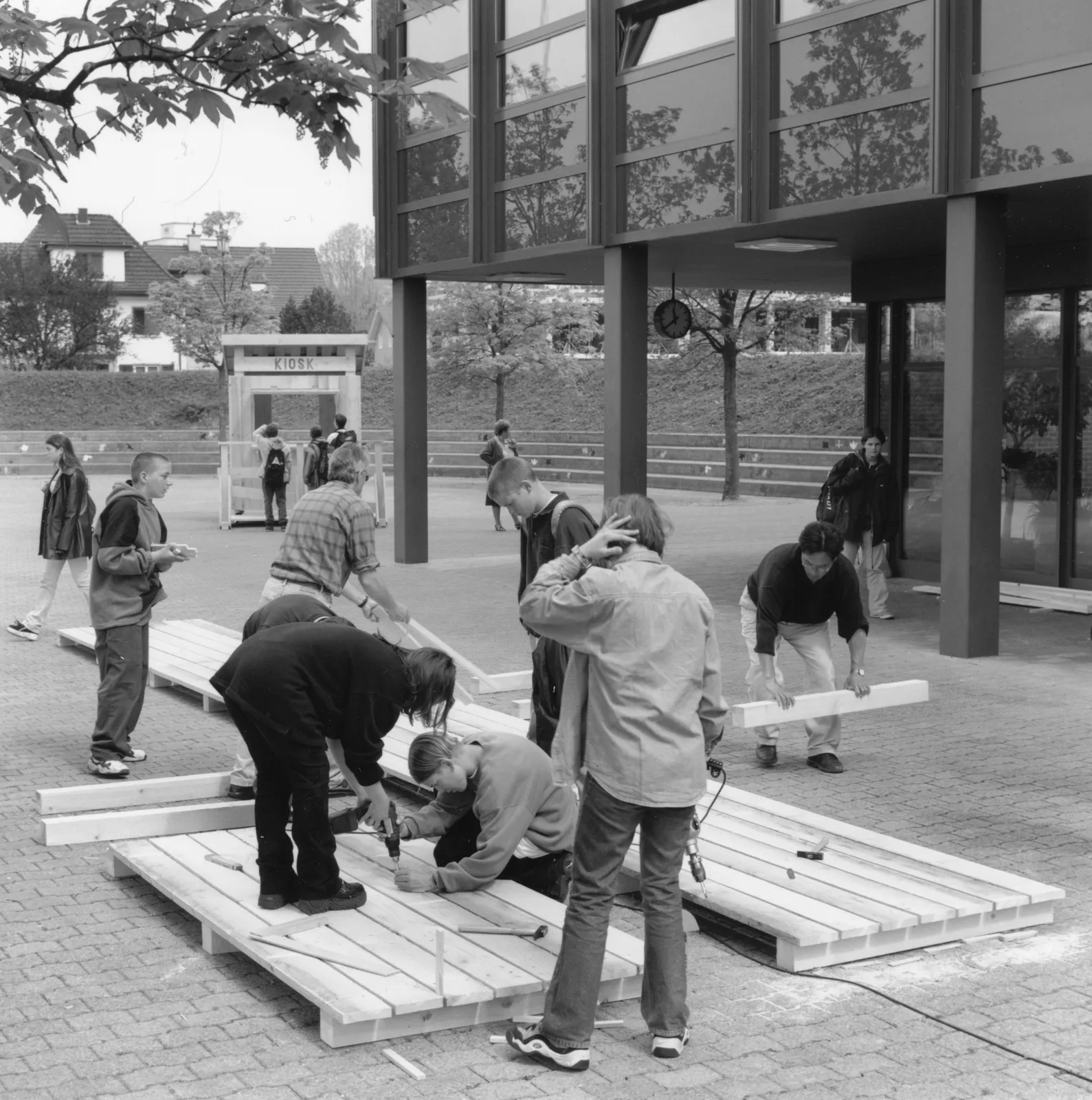
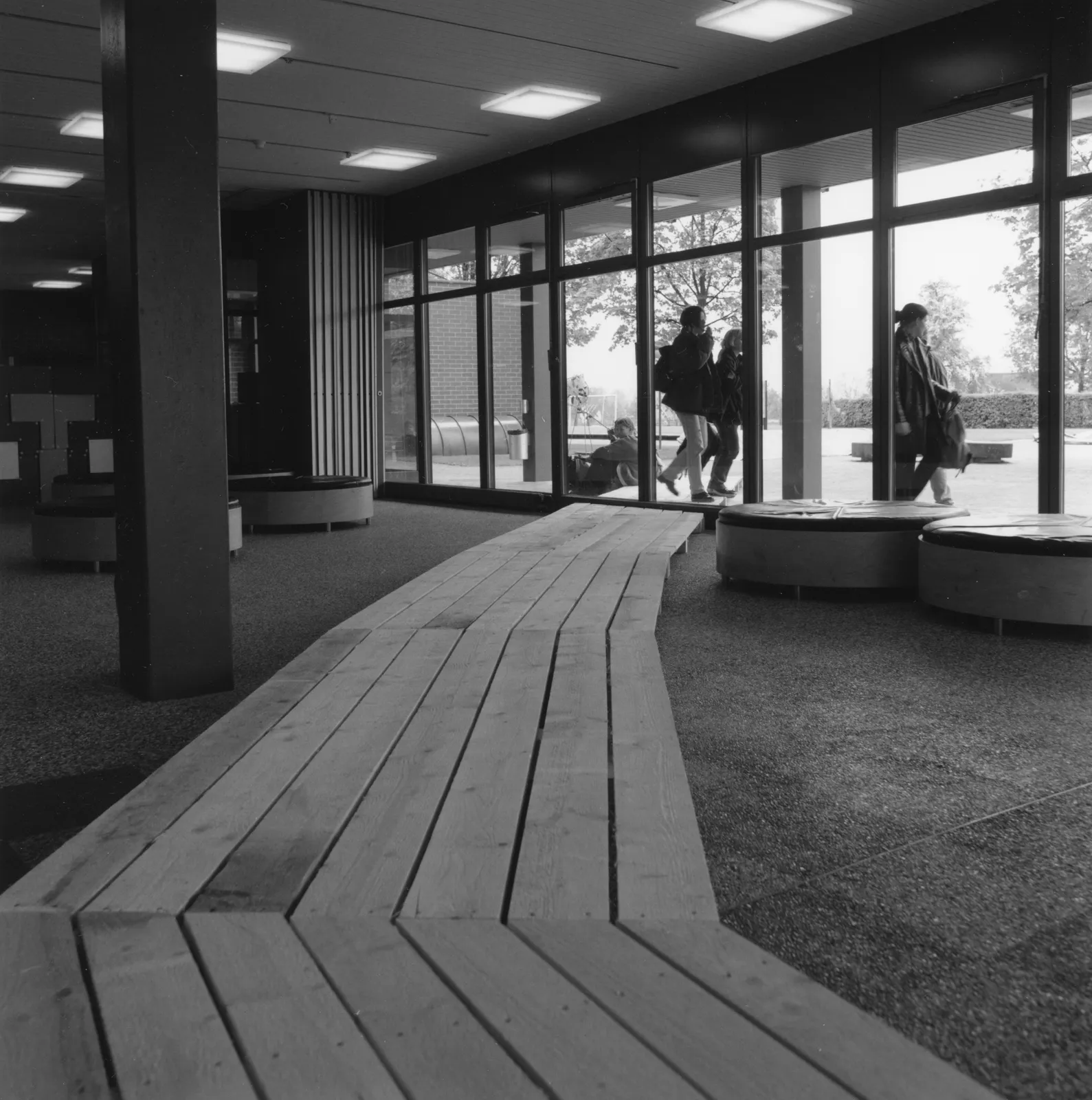
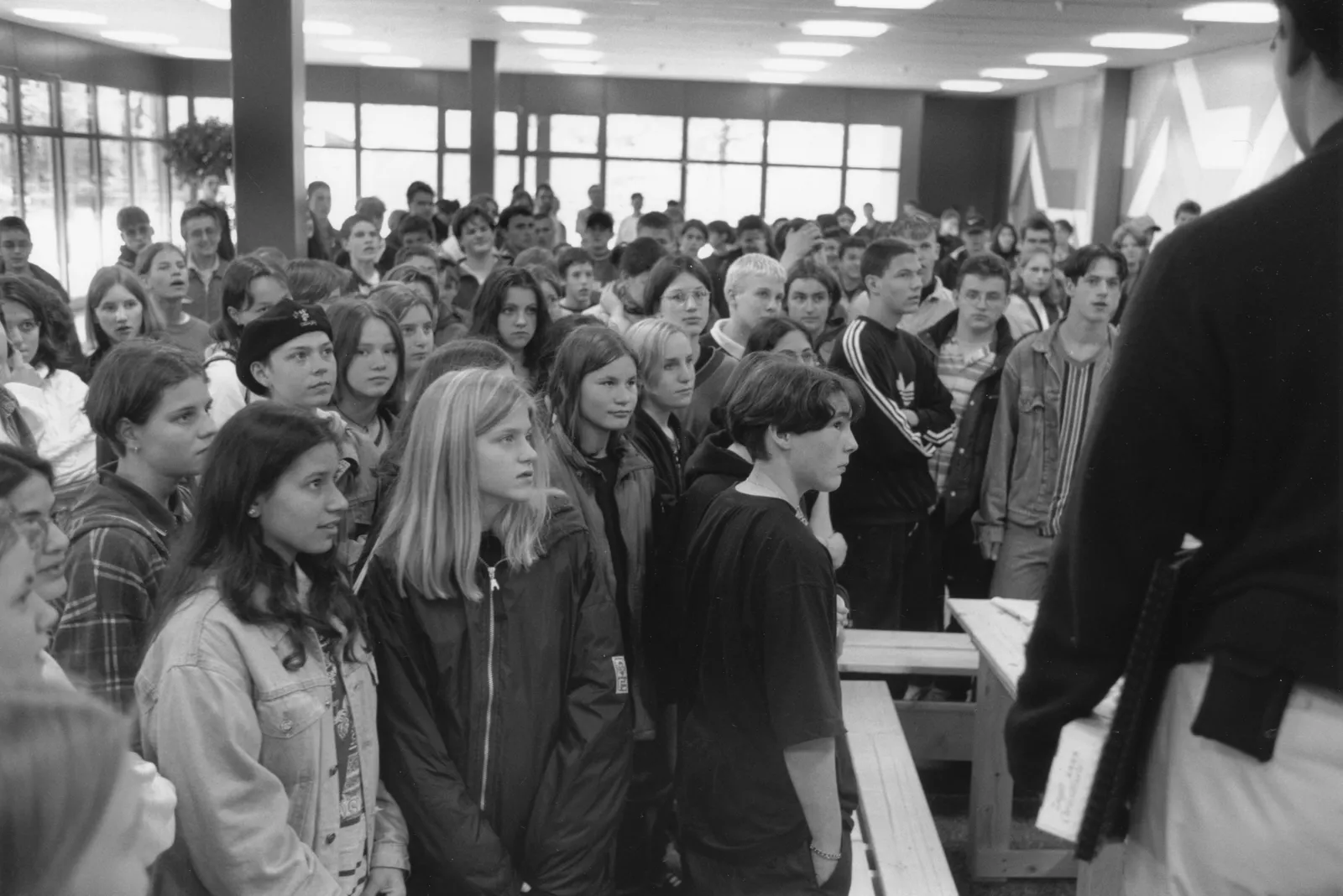
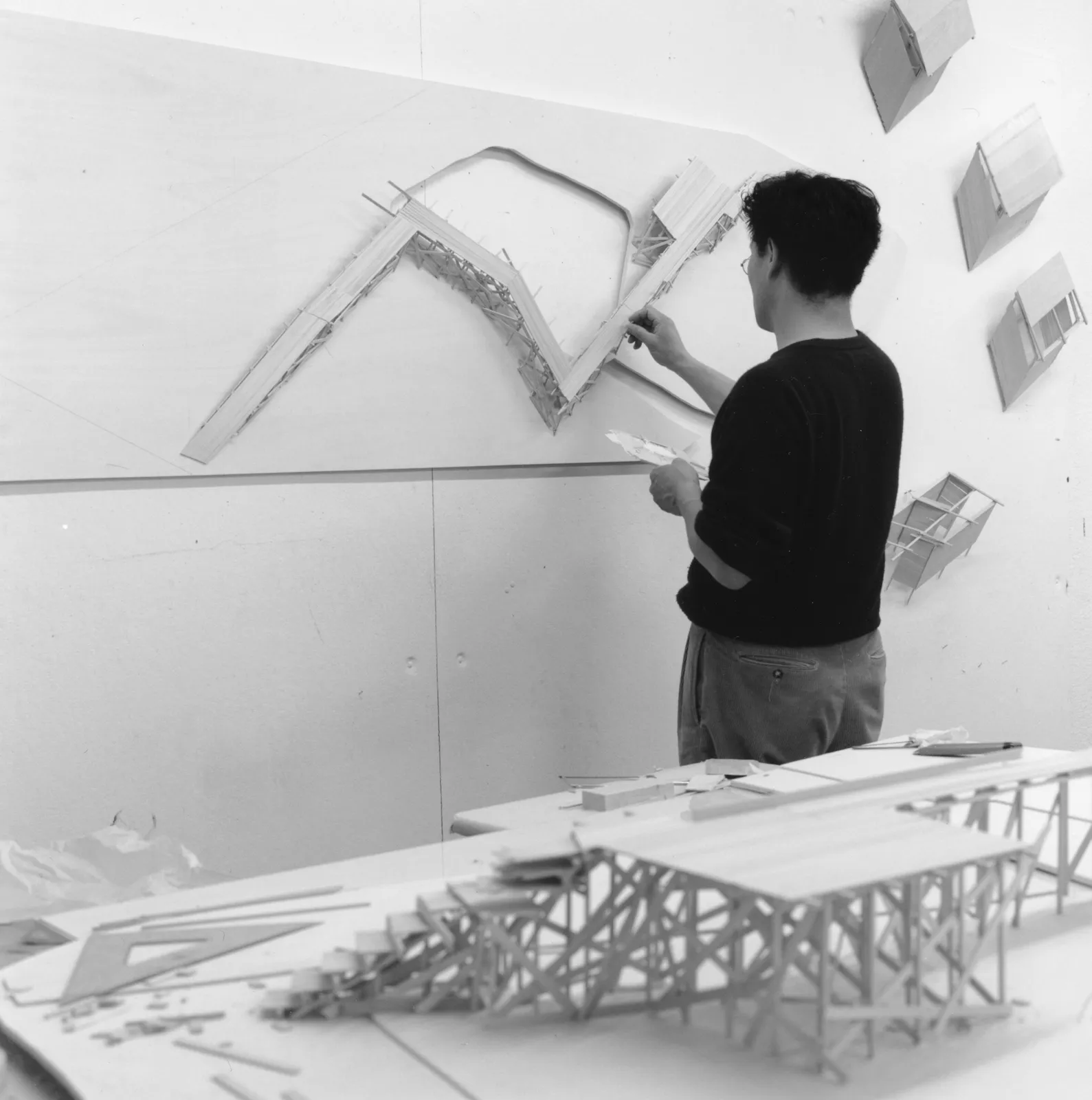
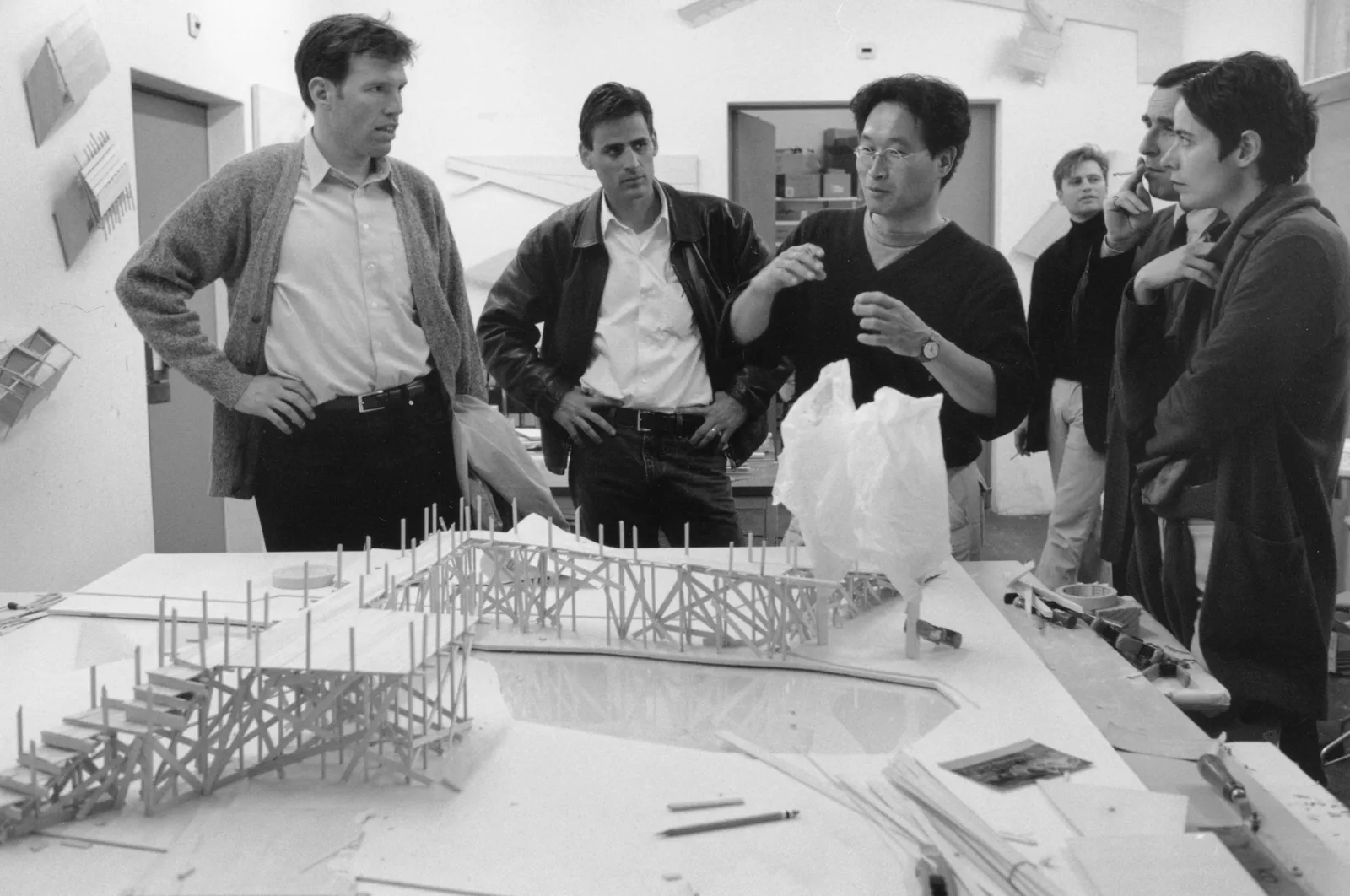
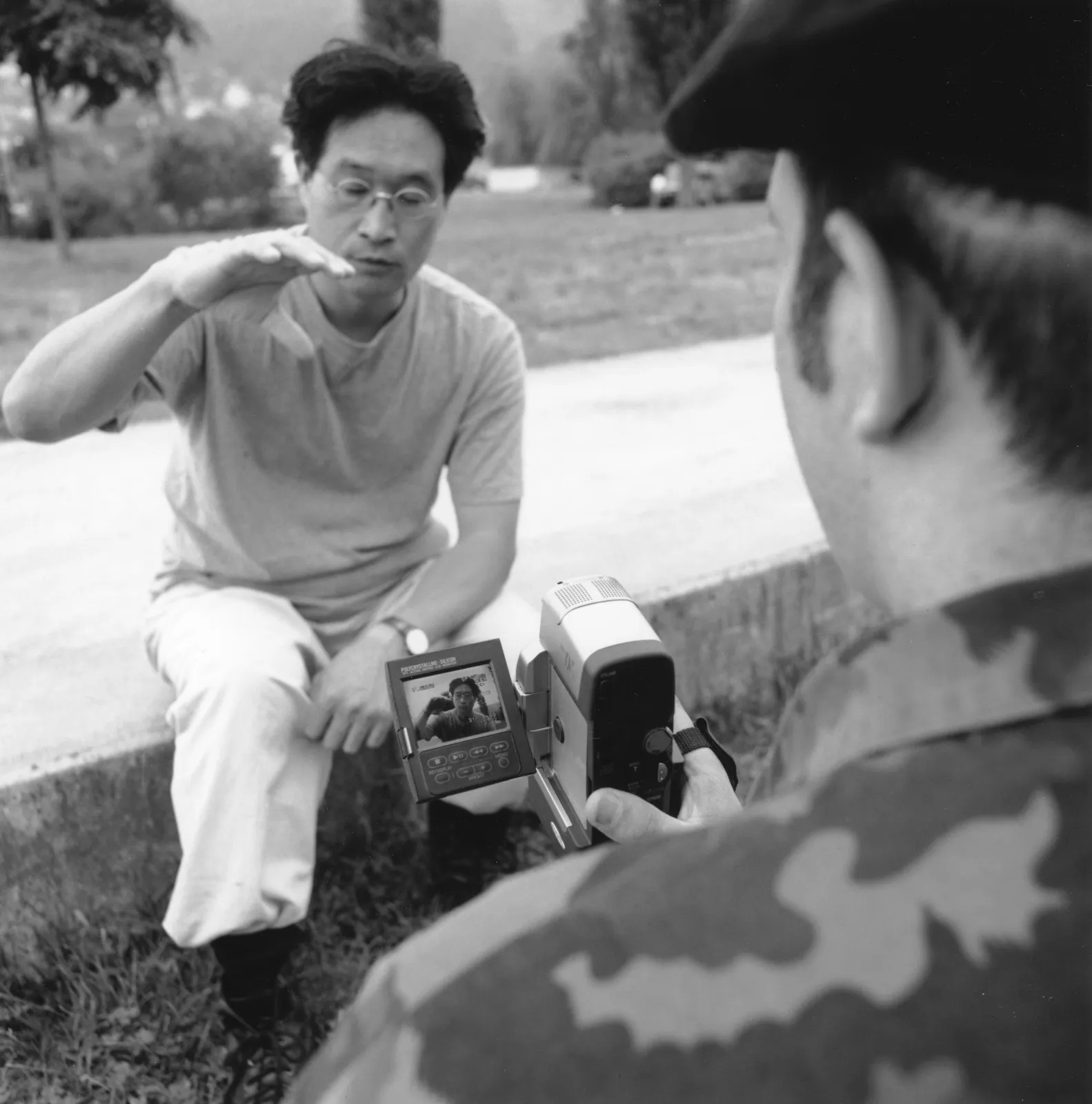
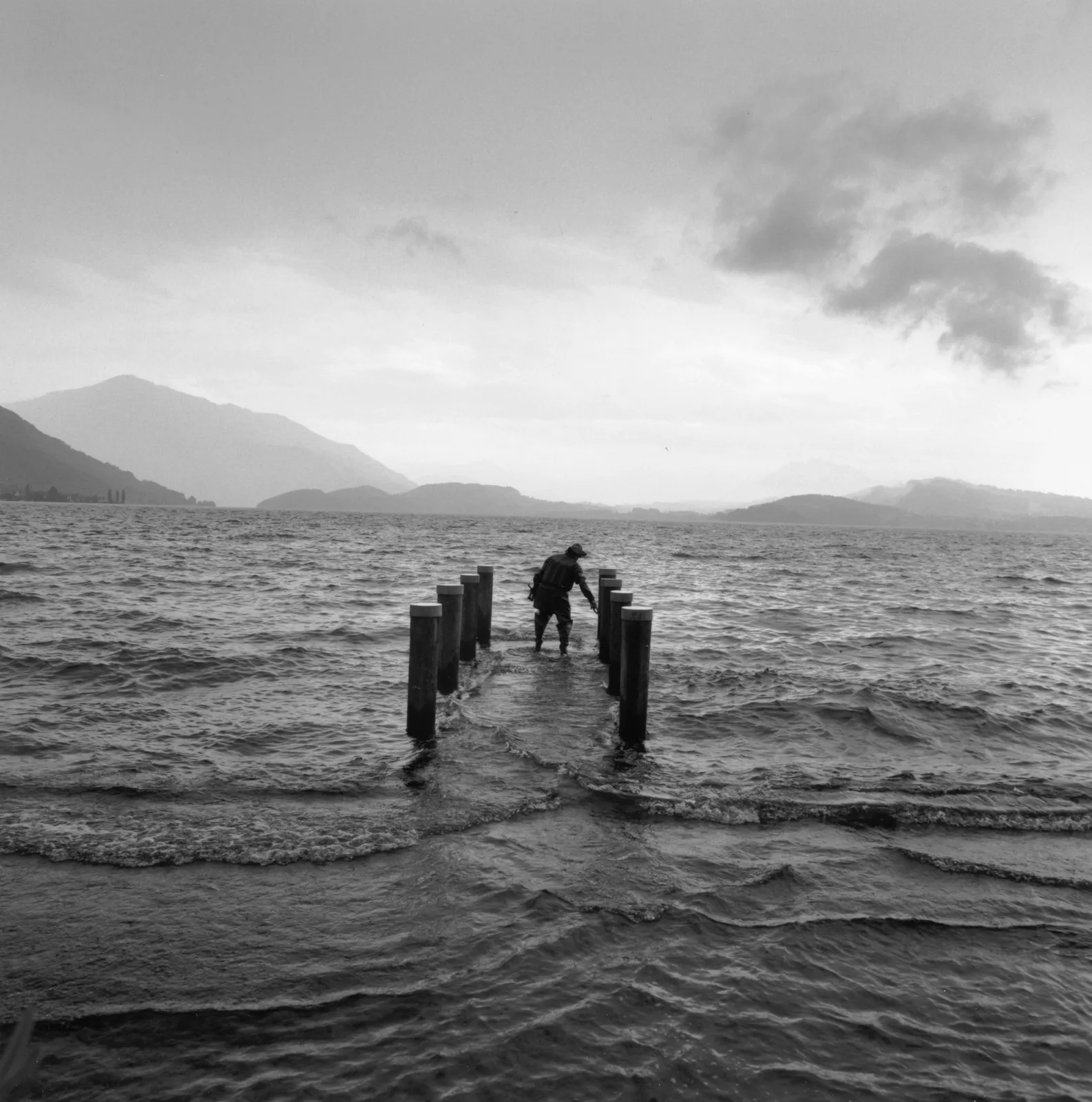
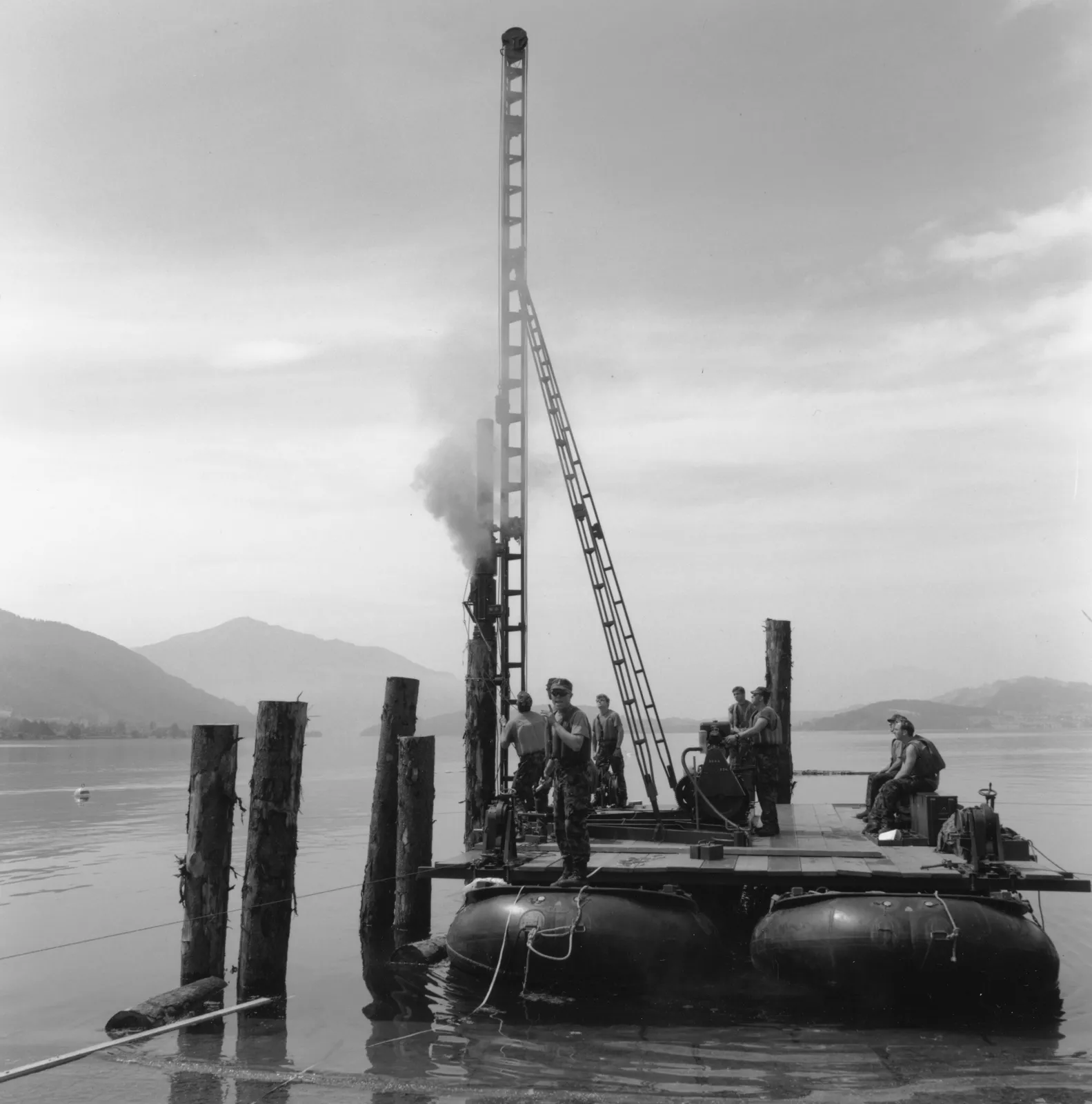
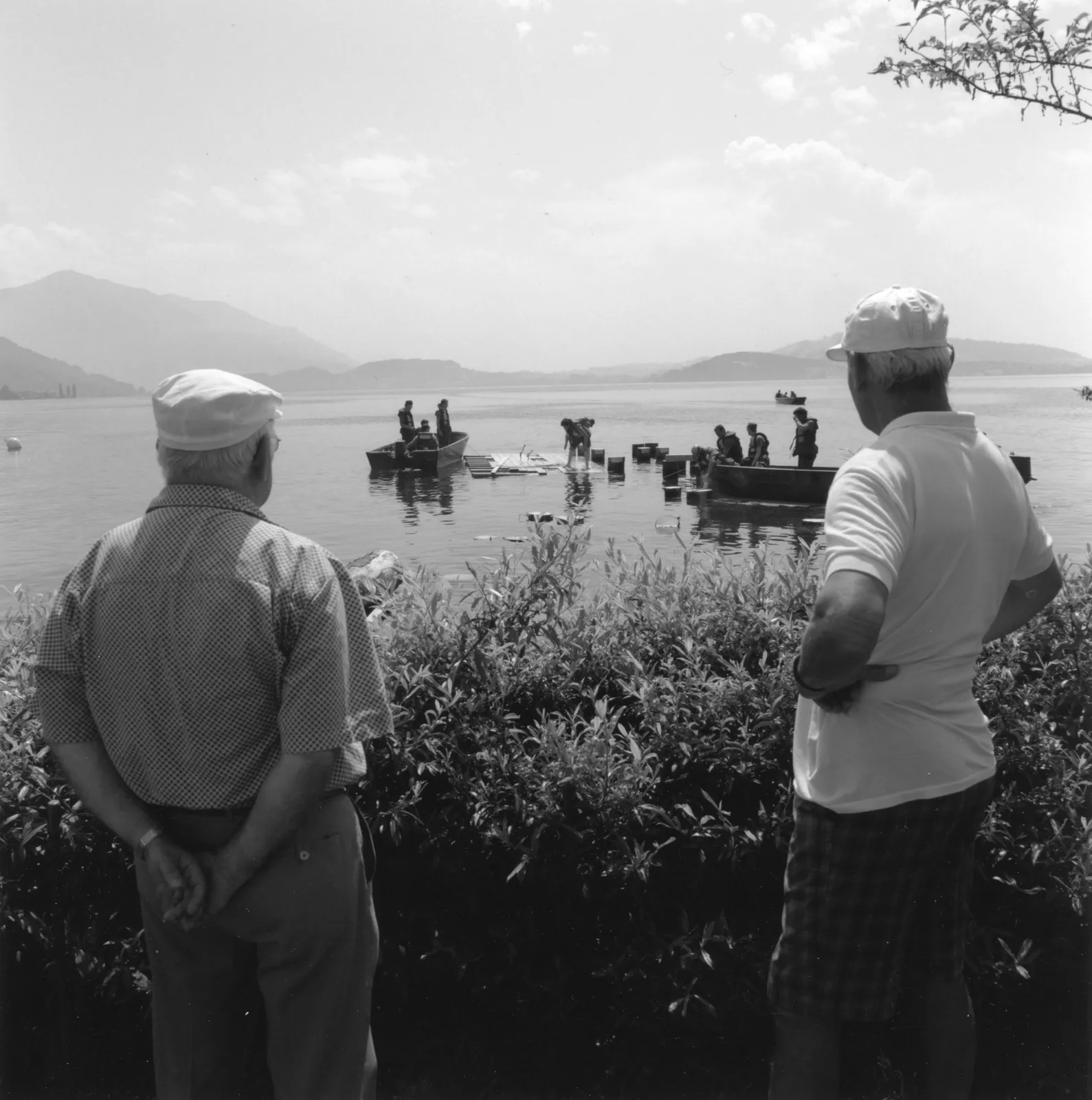
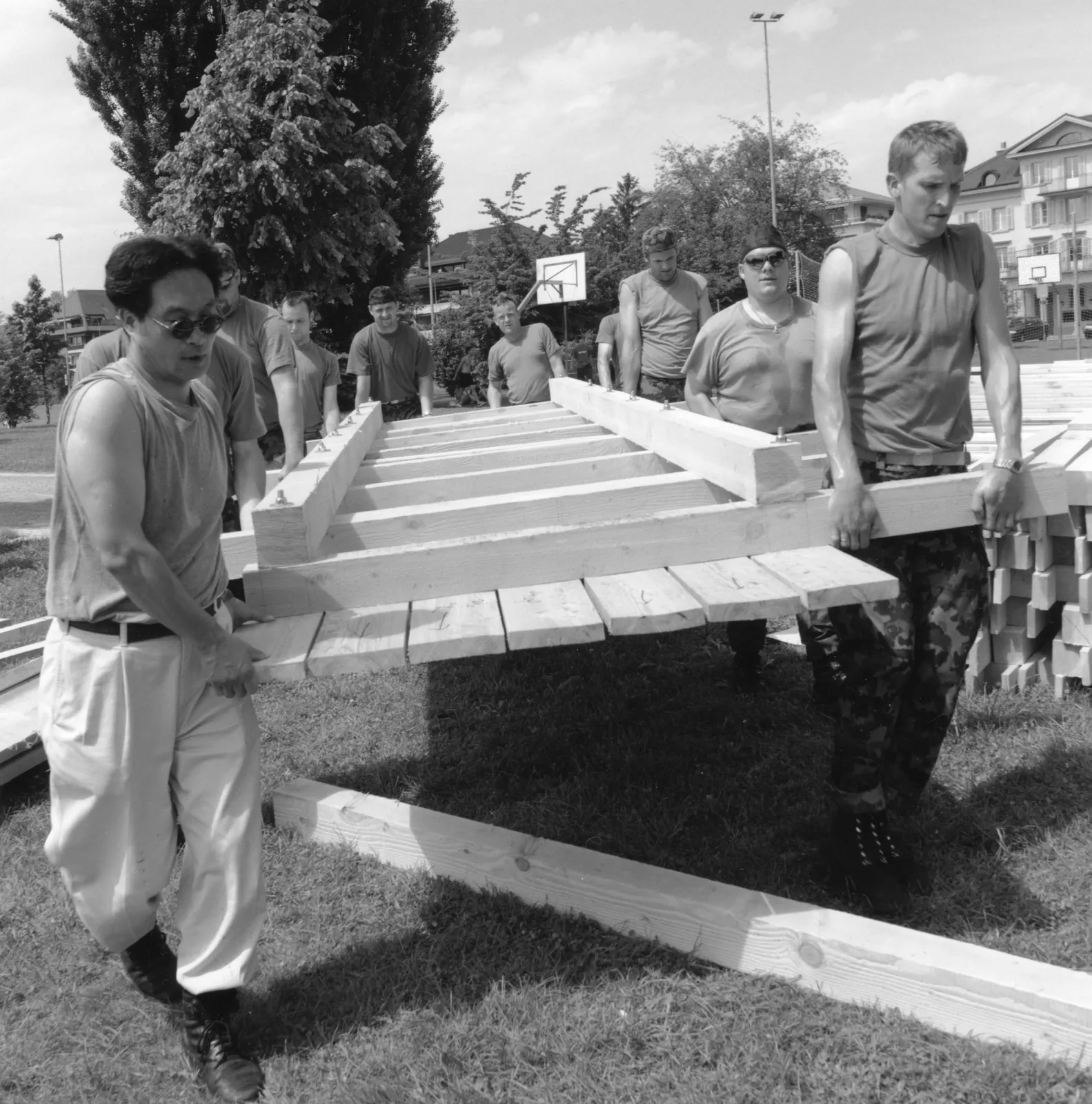
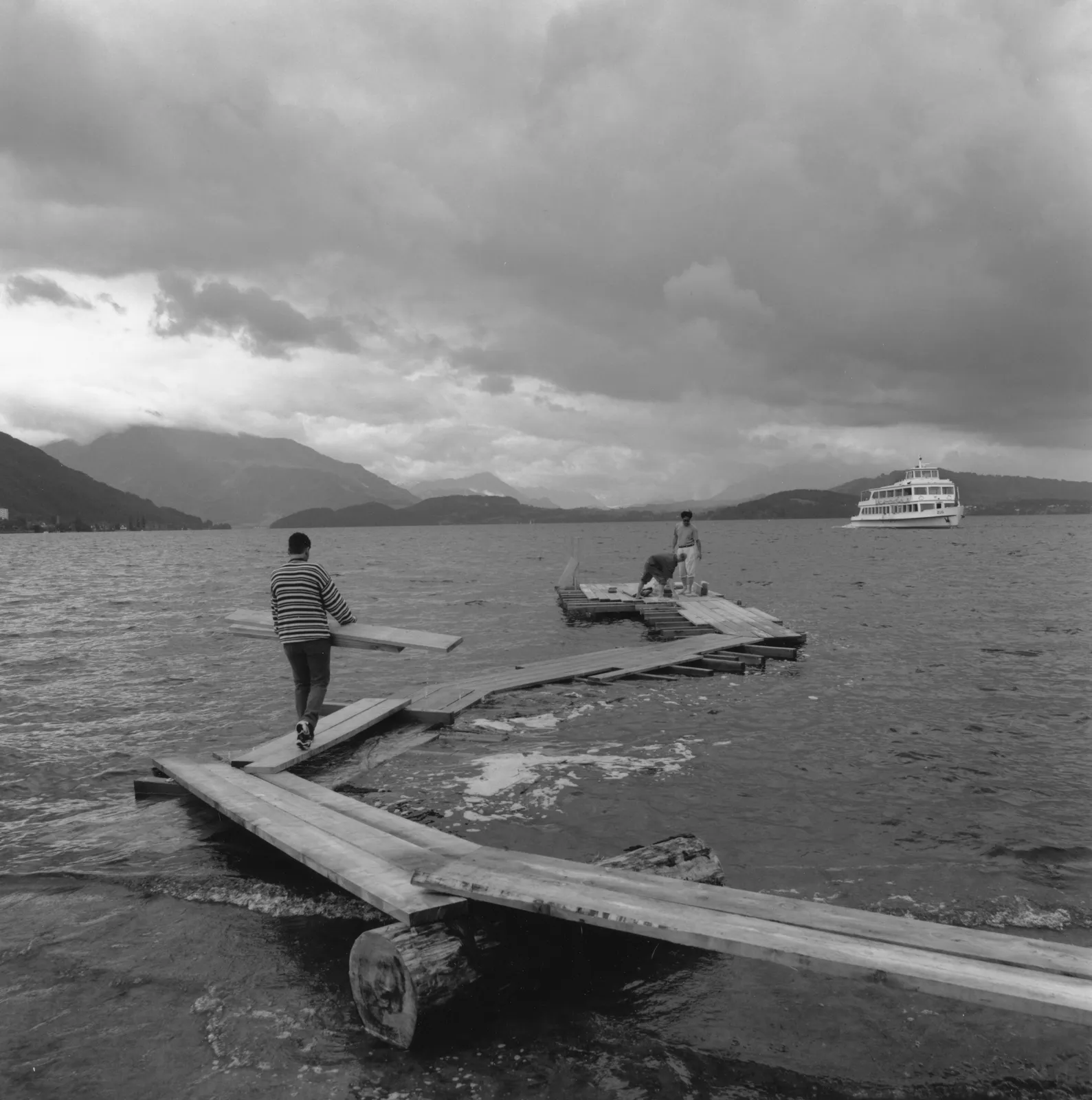
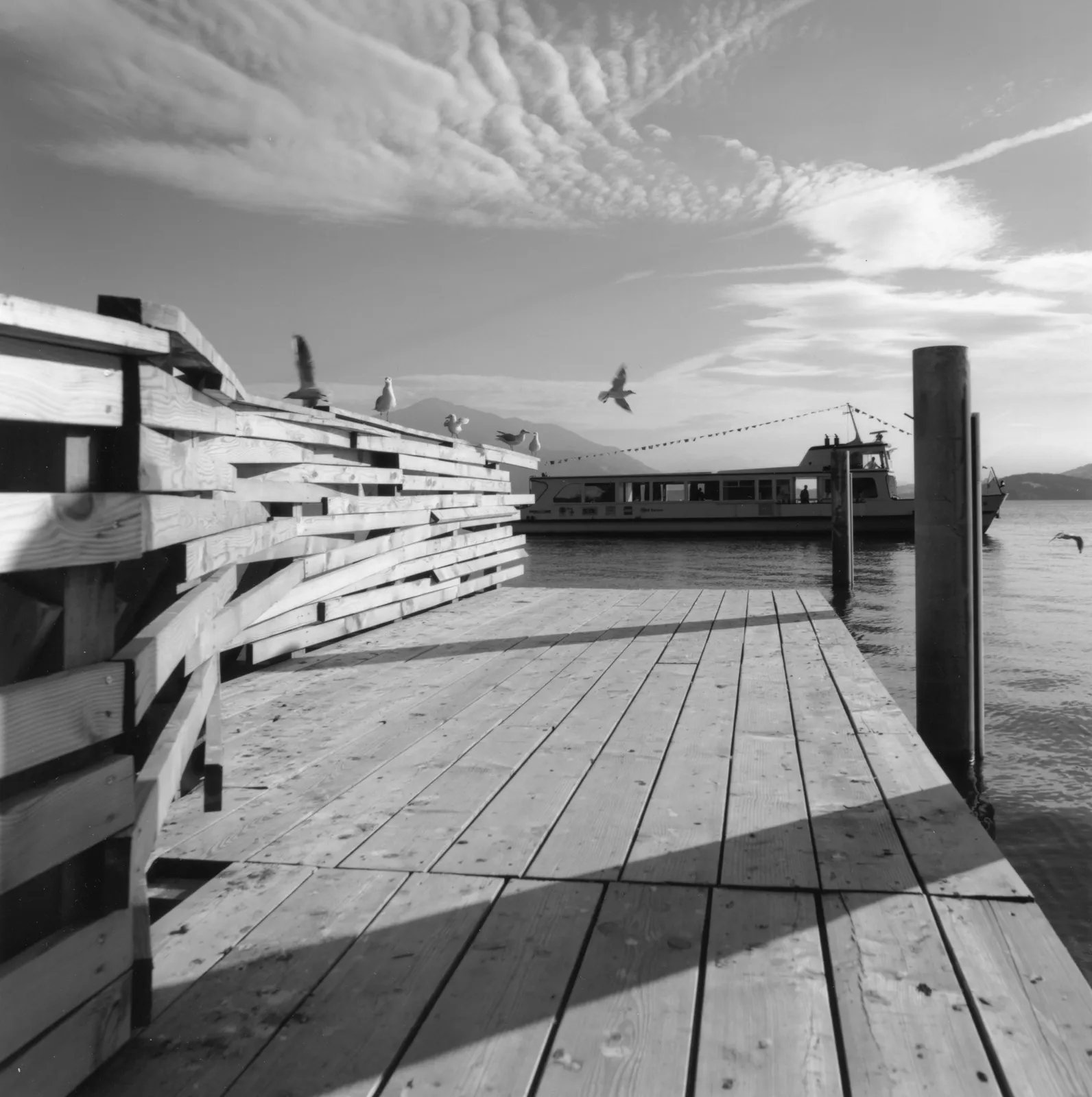
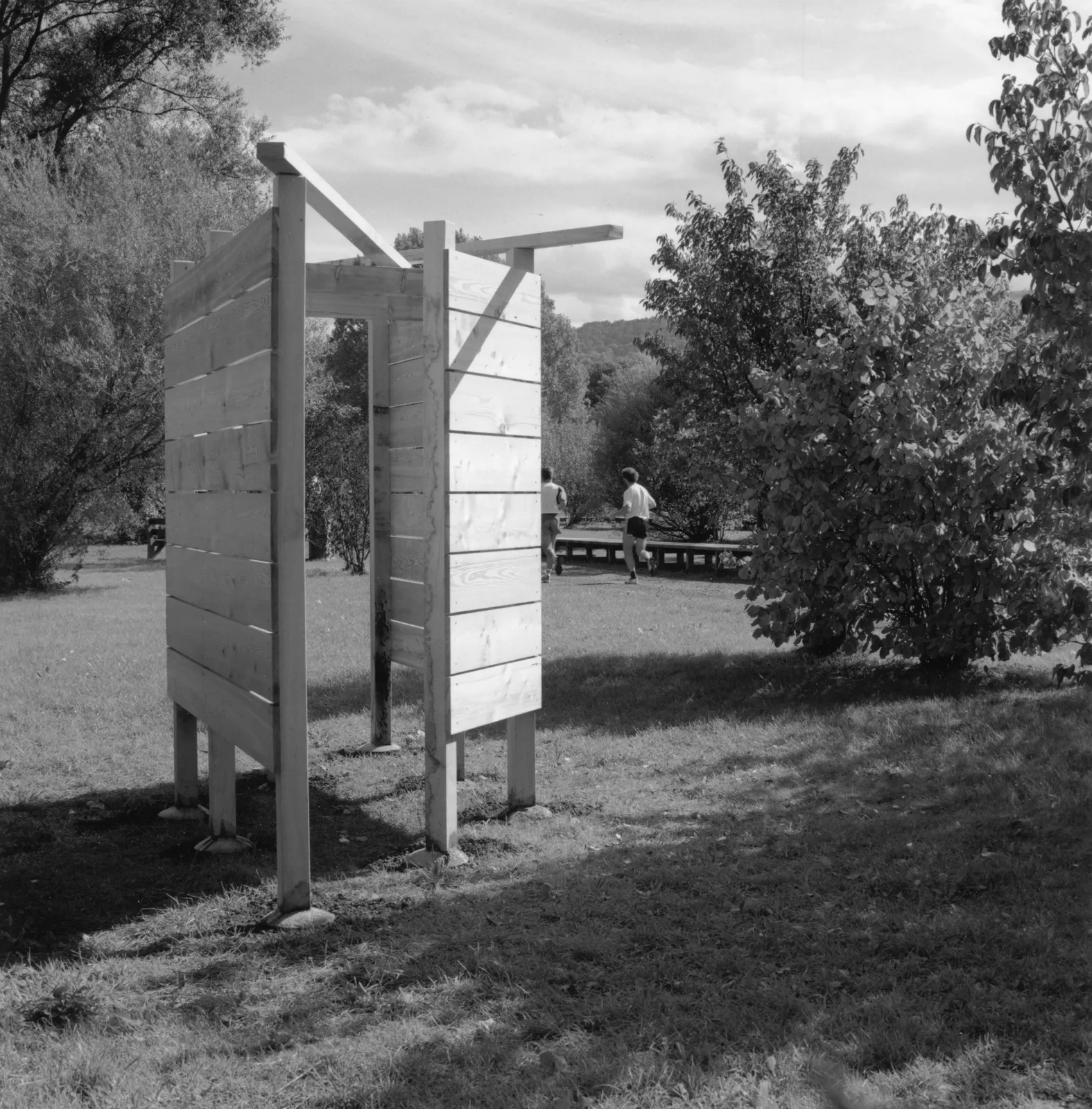
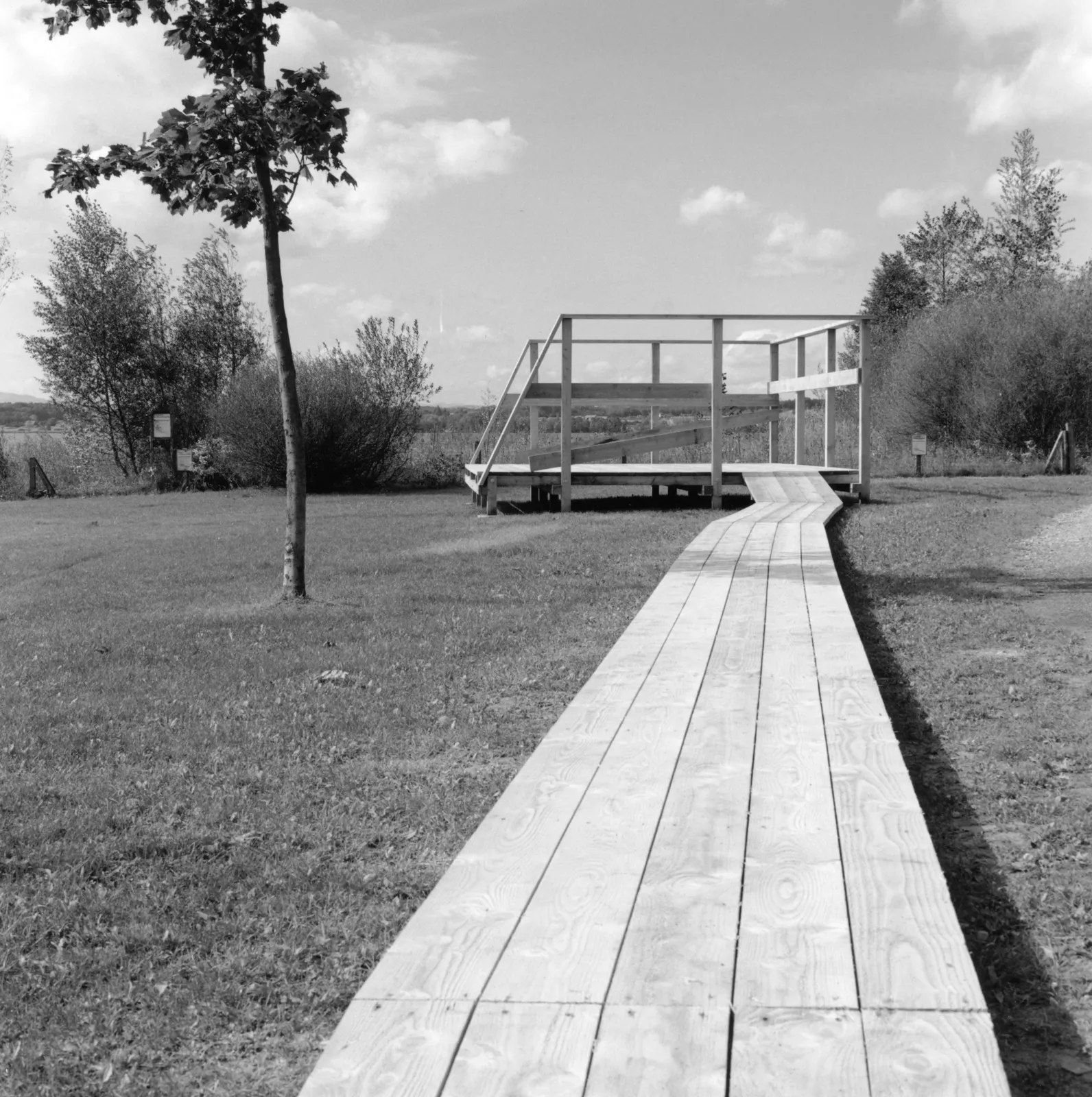
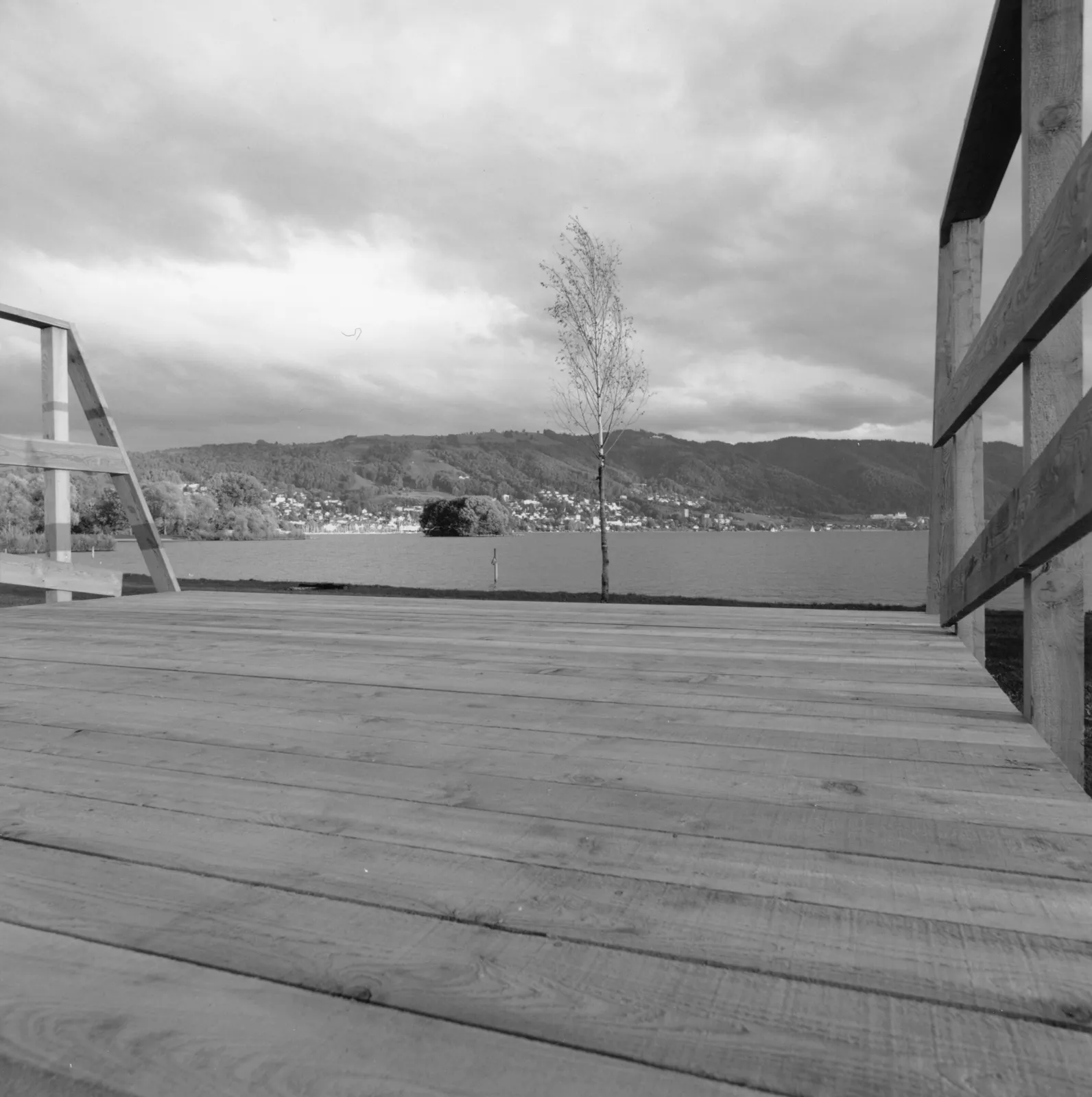
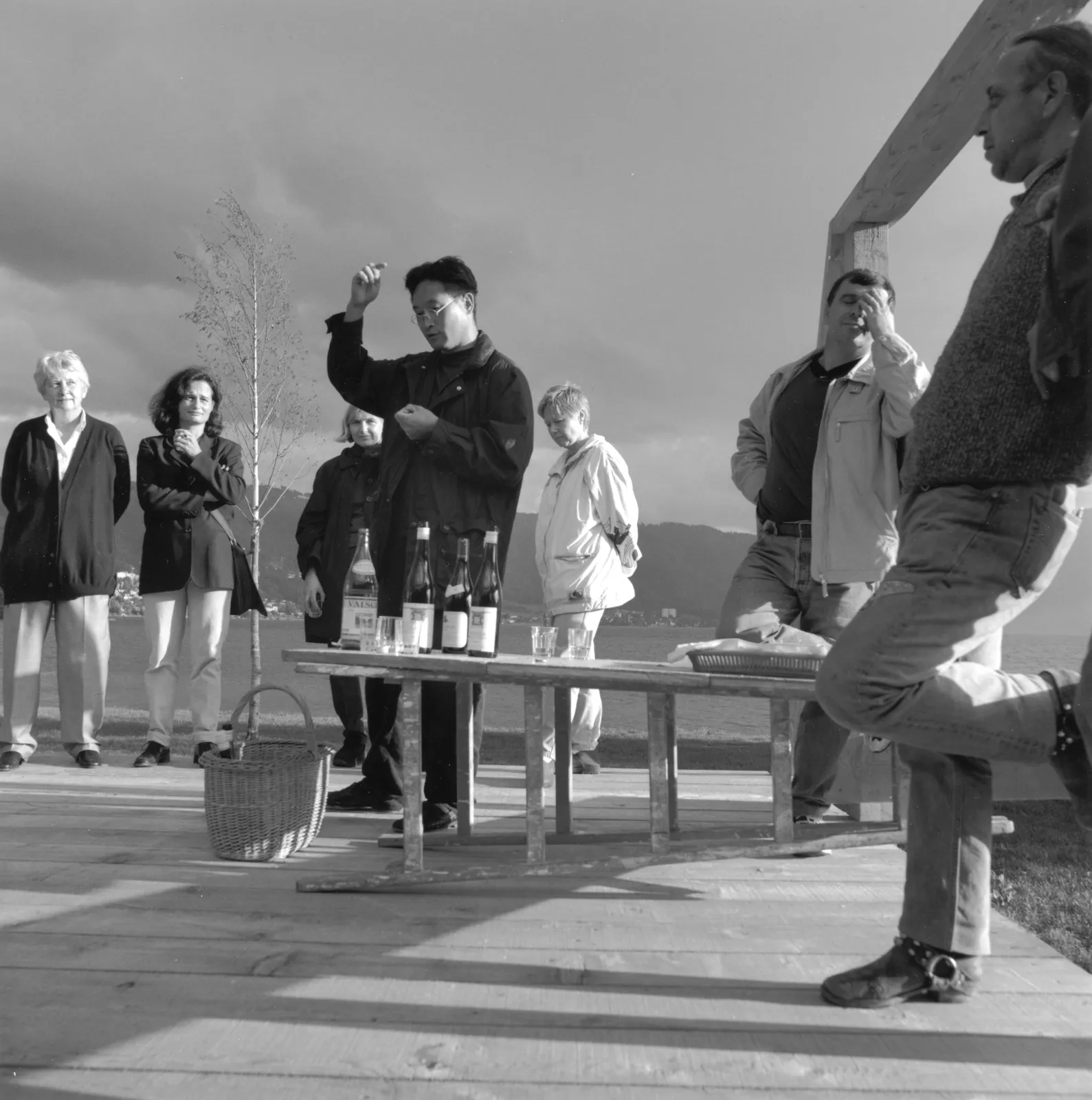
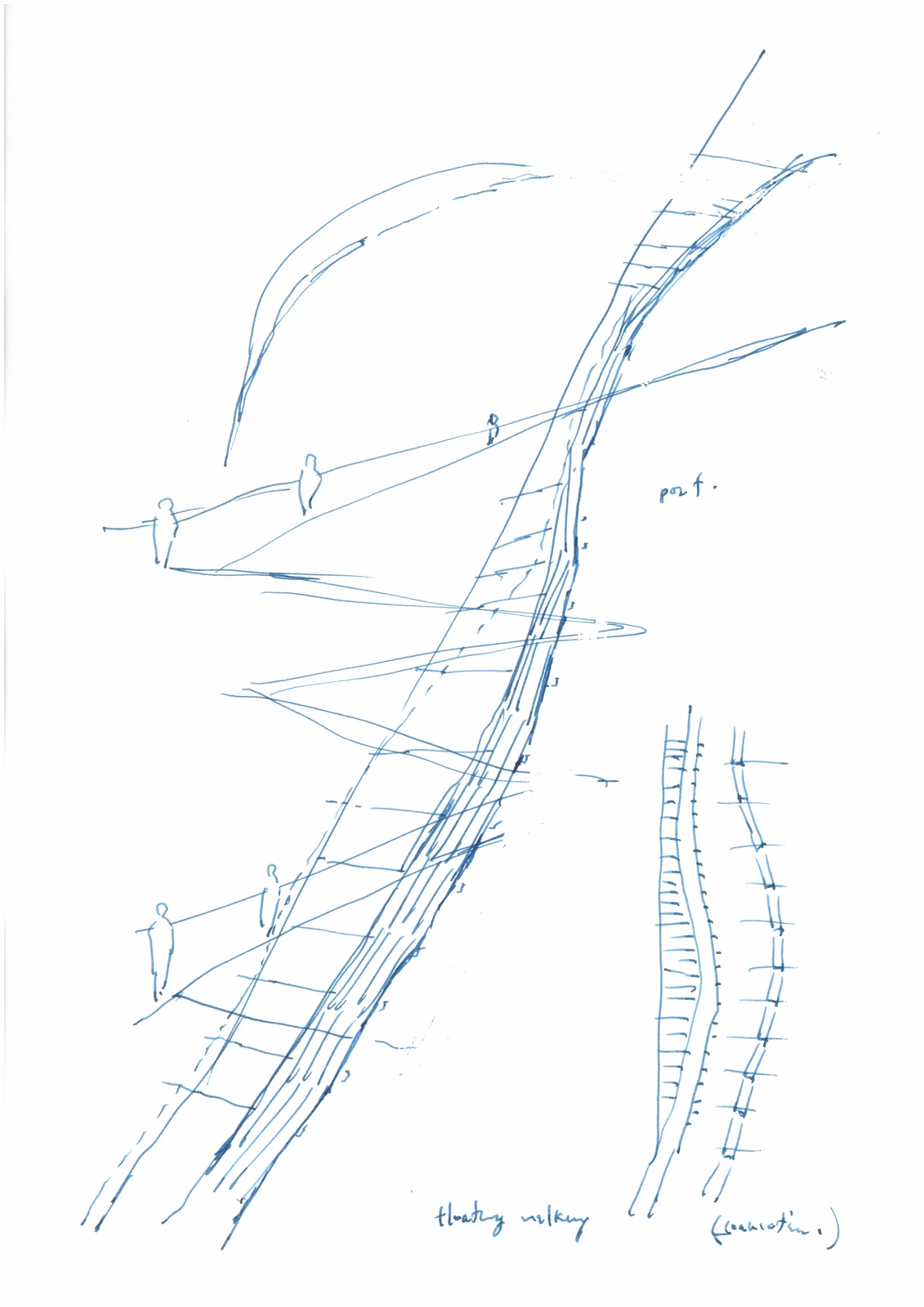
Since 1996, the Japanese artist Tadashi Kawamata has worked in Zug for a few weeks every spring. In the summer of 1999, the project came to a provisional conclusion: on the lakeshore, the troops of the Genie Battalion 36 and a group of unemployed people, together with the artist, erected a landing stage for the Yellow – the school camp ship of the Gemeinnützige Gesellschaft Zug.
Kawamata's buildings, each approved for a period of four years, remained in the city’s public space even longer. The rapid aging of raw wood accompanied the life of the city. The endless flow of time is always a theme of the Japanese artist. His buildings in Zug are to be understood as an offer to the population to walk, rest, look and think. Their preservation demands a constantly renewed commitment – to remove them without a trace is an option at any time. This fundamentally distinguishes them from other, more authoritarian interventions in public space.
The exhibition in the rooms of Kunsthaus Zug offered more than just a review of the four-year collaboration. Here, a part of the work process could be retraced. Early maquettes, sketches and a video showed the artist's approach to the still foreign city. Alternative and utopian proposals – e.g. for the congested Kolinplatz – could also be experienced in the model. Kawamata developed and clarified his ideas in light, bright poplar wood. The models often served as the basis for discussions with builders and approval committees; they remained – partly purchased by the Kunsthaus – as documentation of the work, suspended in space by the artist like thoughts. Since then, his works have been regularly renewed by the city and are popular with the population.
Tadashi Kawamata. Work in Progress in Zug
Project Collection (5); Kunsthaus Zug mobil, 5th stop: Schönthal Monastery, Langenbruck/BL
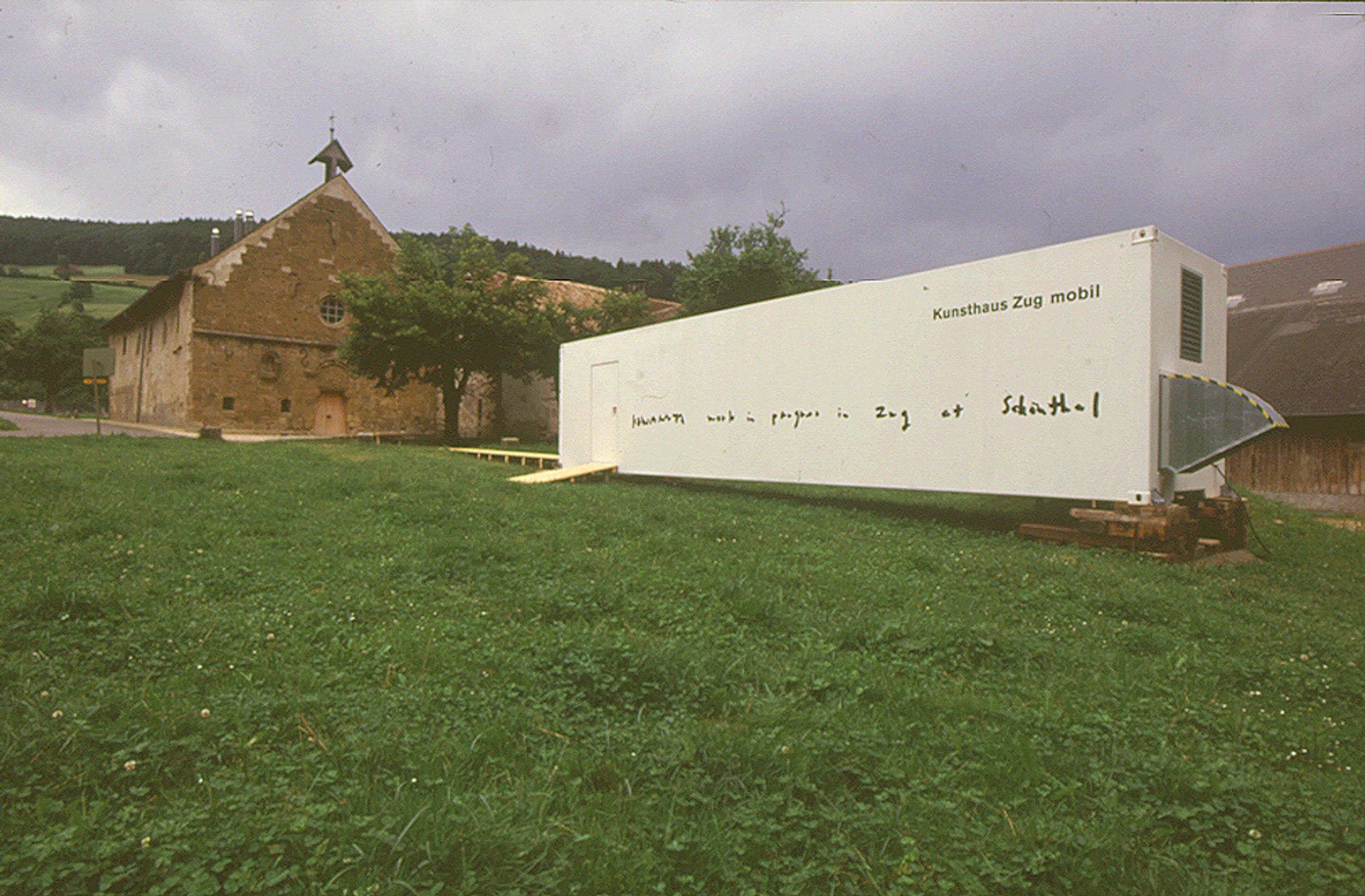
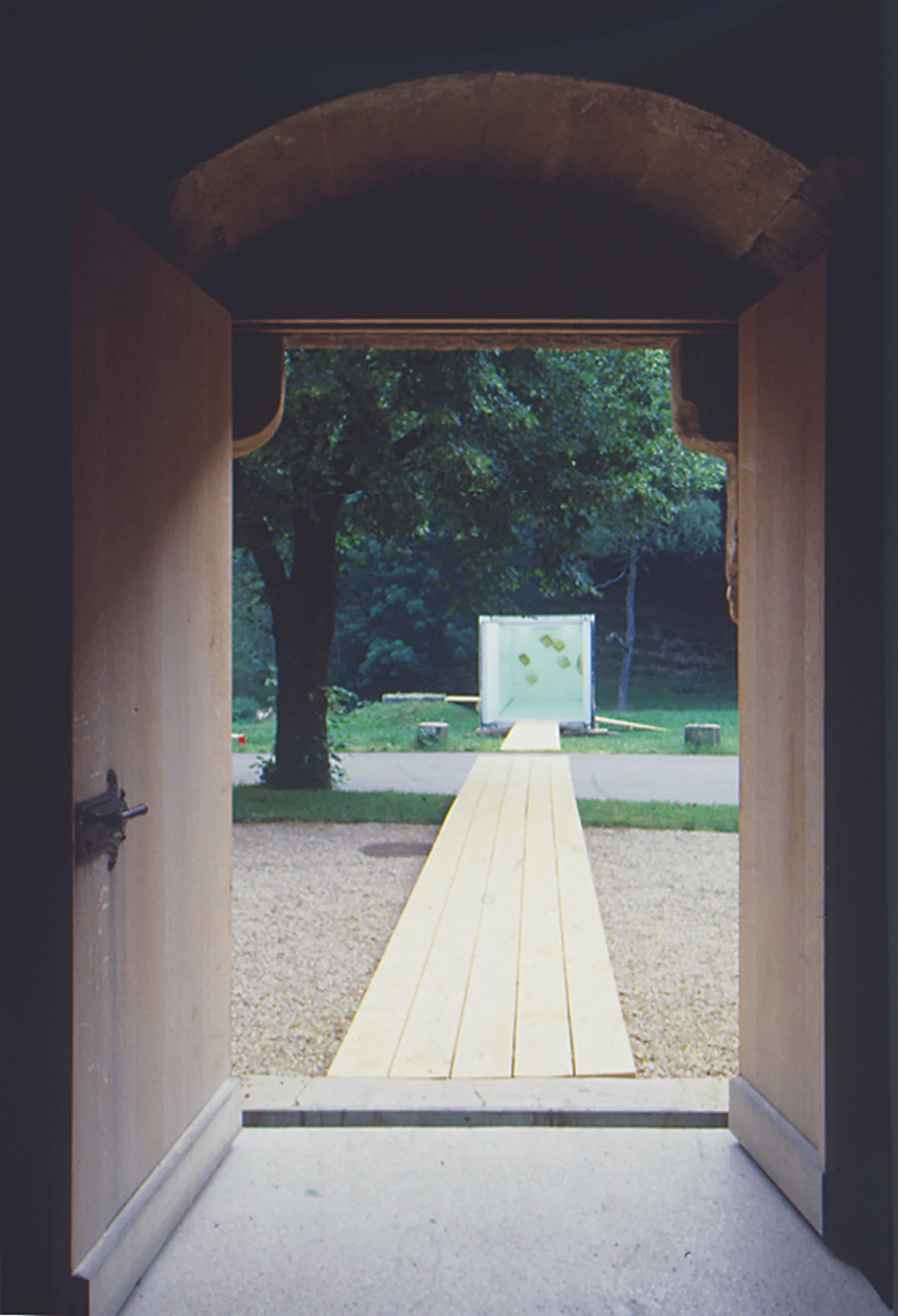
The transportable exhibition space Kunsthaus Zug mobile made its first stop outside the canton of Zug in the summer of 2003. The Sculpture at Schoenthal Foundation in Langenbruck in the canton of Basel-Landschaft hosted a small exhibition of Tadashi Kawamata's Work in Progress in Zug 1996–1999. In cooperation with Kunsthaus Zug, Kawamata had been realising a collection project in the public space of Zug for years, which was documented by the photographer Guido Baselgia.
Numerous models and designs were created. In the container as well as in the former abbot's room of the monastery complex in Schönthal, a selection of these was presented with photos by Baselgia and documentary material from the Kunsthaus collection. Kawamata determined the location of the container opposite the Romanesque monastery church, helped set up the exhibition and connected the Kunsthaus Zug mobile and the gallery-church with a wooden walkway. An impressive contrast between old and new, fixed and mobile, cultural-historical artefact and industrial product. Kawamata's Zug project was continued abroad, in keeping with his idea of a "travelling space". Two very different art institutions came into close contact.