Pavel Pepperstein
Pavel Pepperstein (*1966) is a visual artist and an author, and one of the principal figures on the Moscow art scene. As part of “Project Collection”, he invited guests from his homeland – both well-known and unknown – to engage in artistic collaborations in Zug between 1998 and 2002. He also created various brilliant, spontaneous murals that were painted over again in white at the end of each exhibition. Transience was an essential component of his project. But his drawings on walls in various public places in Zug have been preserved.
Throughout the whole project, Pepperstein made drawings on the walls of the offices of the Kunsthaus, in the local branch of the former Credit Suisse and in the Cantonal Prison in Zug (the drawings in the bank and prison were donated by the Kunsthaus Zug; only the drawings in the prison are still extant, however). In the municipality of Menzingen, Pepperstein painted the walls of the Ochsenmatt schoolhouse with imaginary landscapes. These can be viewed on request. A few wall drawings also remain in the Kunsthaus. The sculptor Peter Kamm prepared a stone for Pepperstein, which he then painted and left as a memento in the courtyard of the Kunsthaus. The collection holds drafts by Pepperstein, a video installation by Boris Groys and a photo essay by Guido Baselgia, who documented the long-term Pepperstein project with his camera. This project also gave rise to a close collaboration with Ilya and Emilia Kabakov. Pavel Pepperstein's exhibition "The Resurrection of Pablo Picasso in 3111" took place in 2017.
INSPECTION “MEDICAL HERMENEUTICS”. Binocle and Monocle – Life and Works
Project Collection (1)


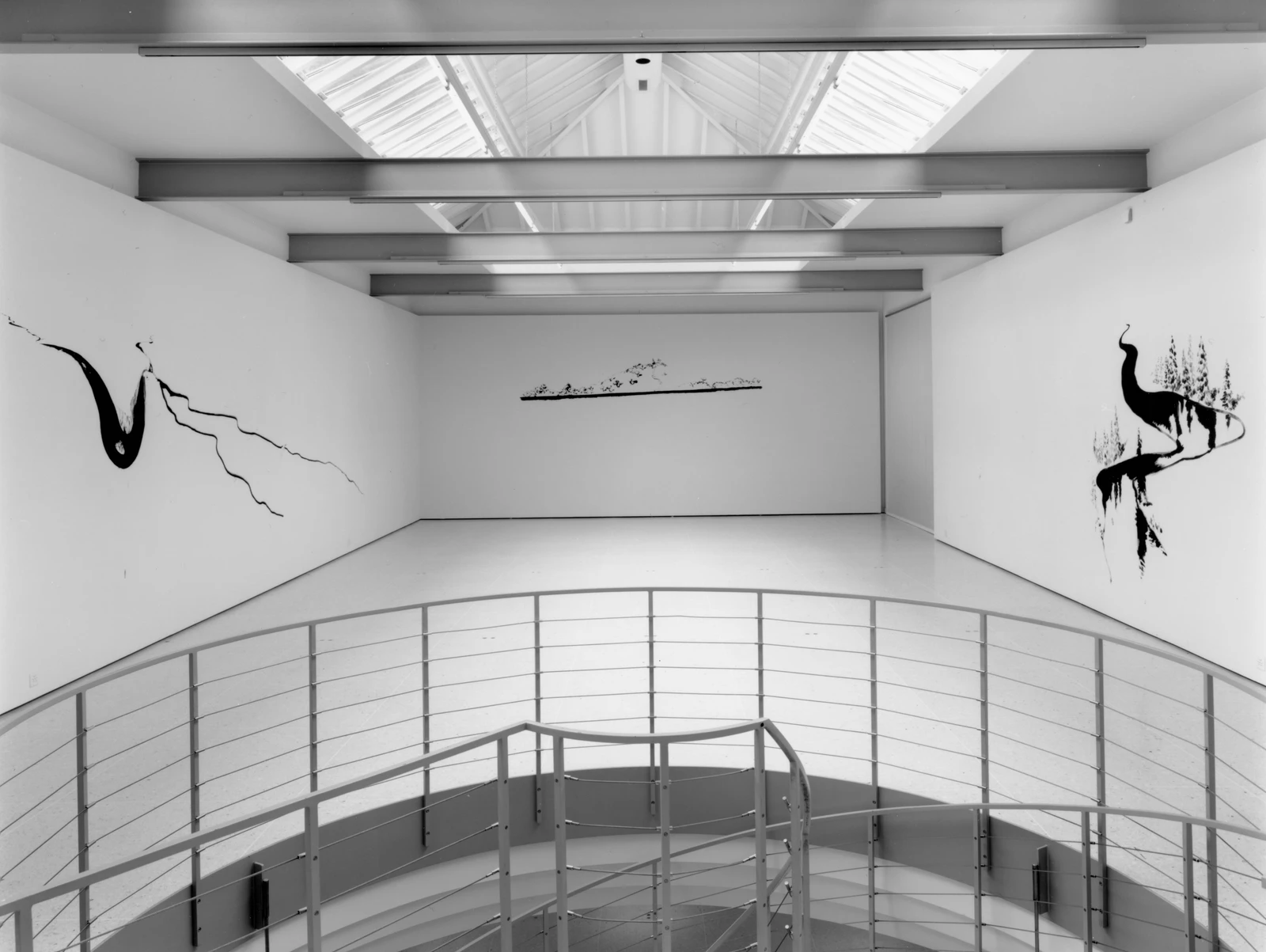
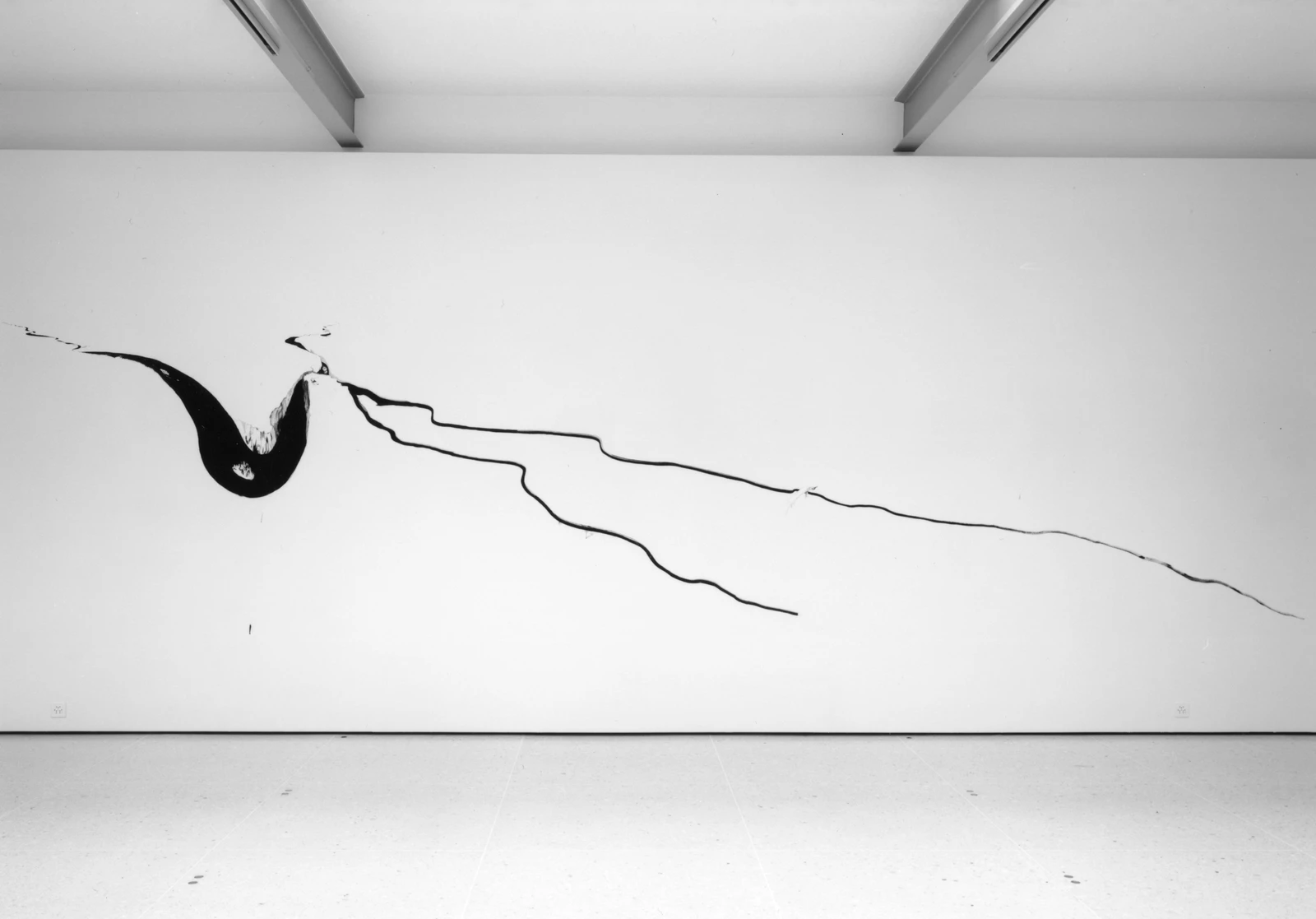



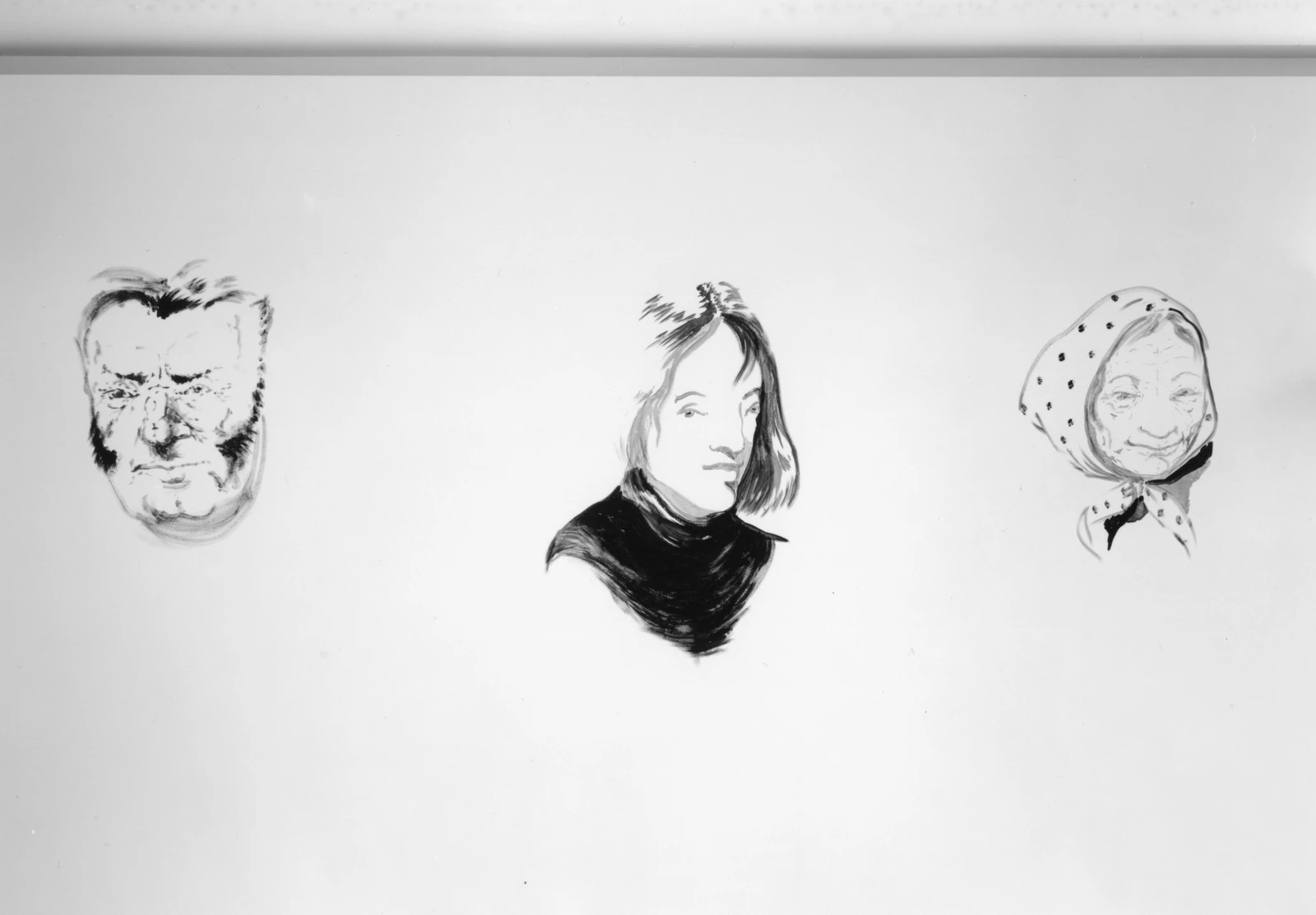

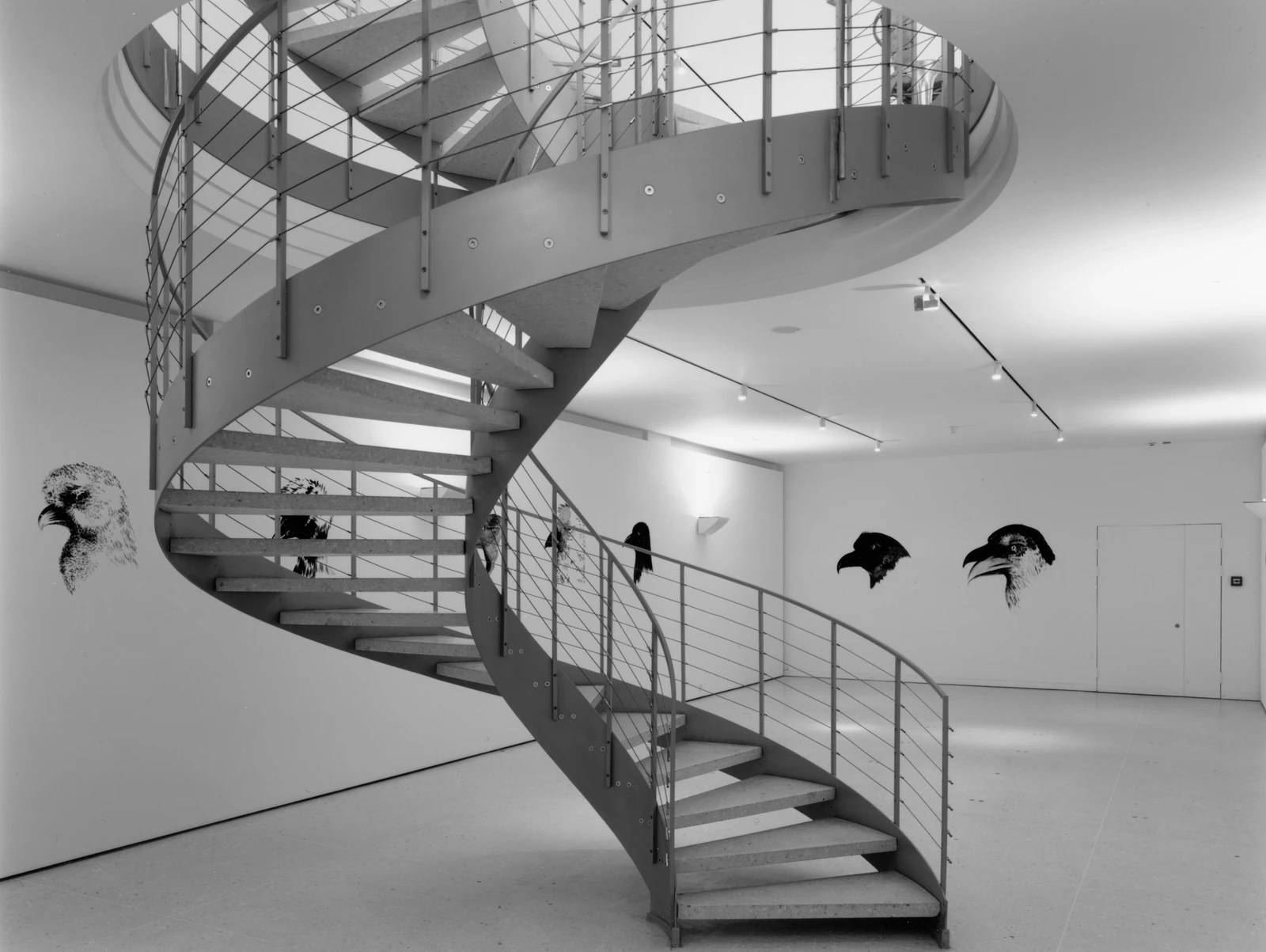
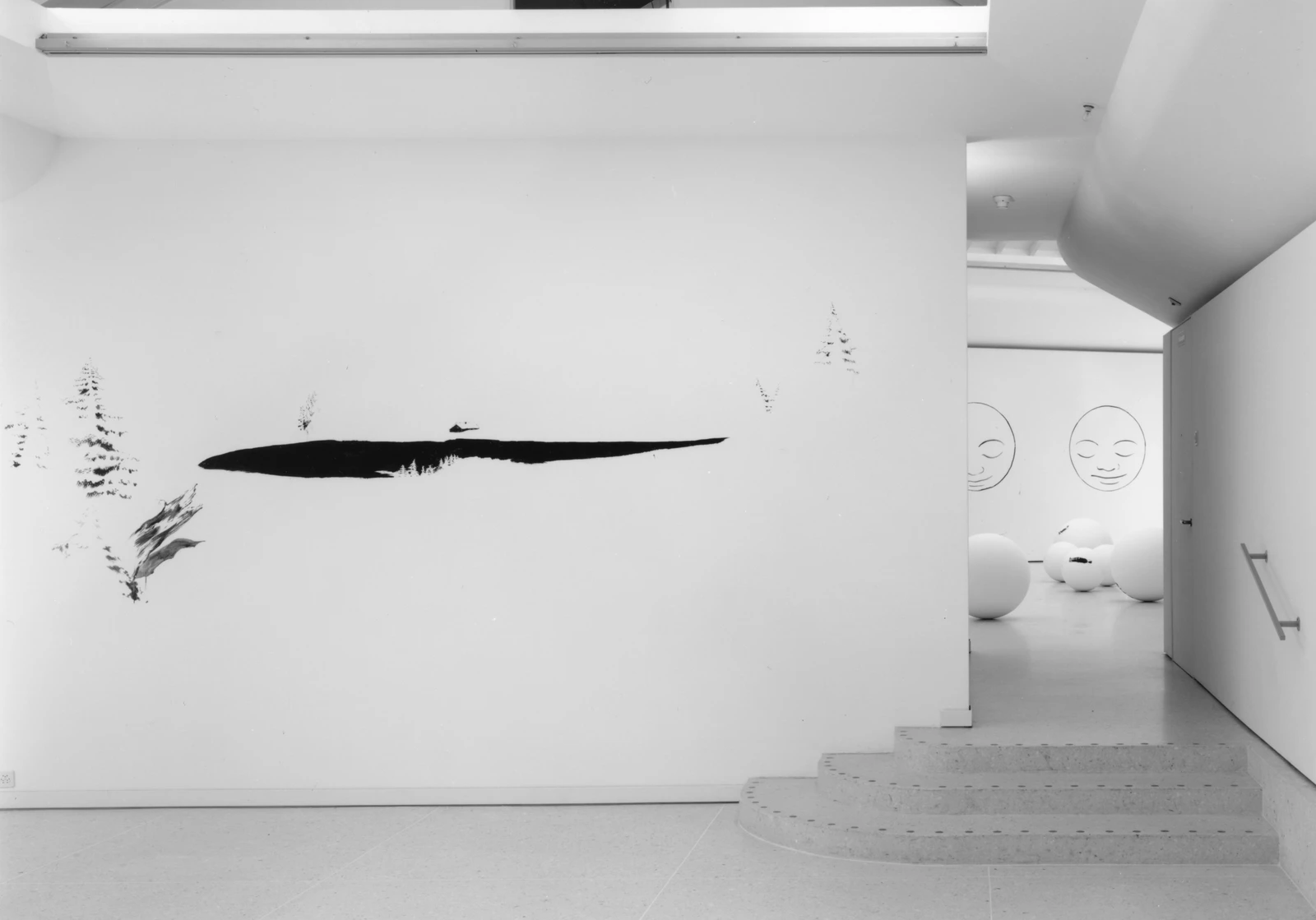
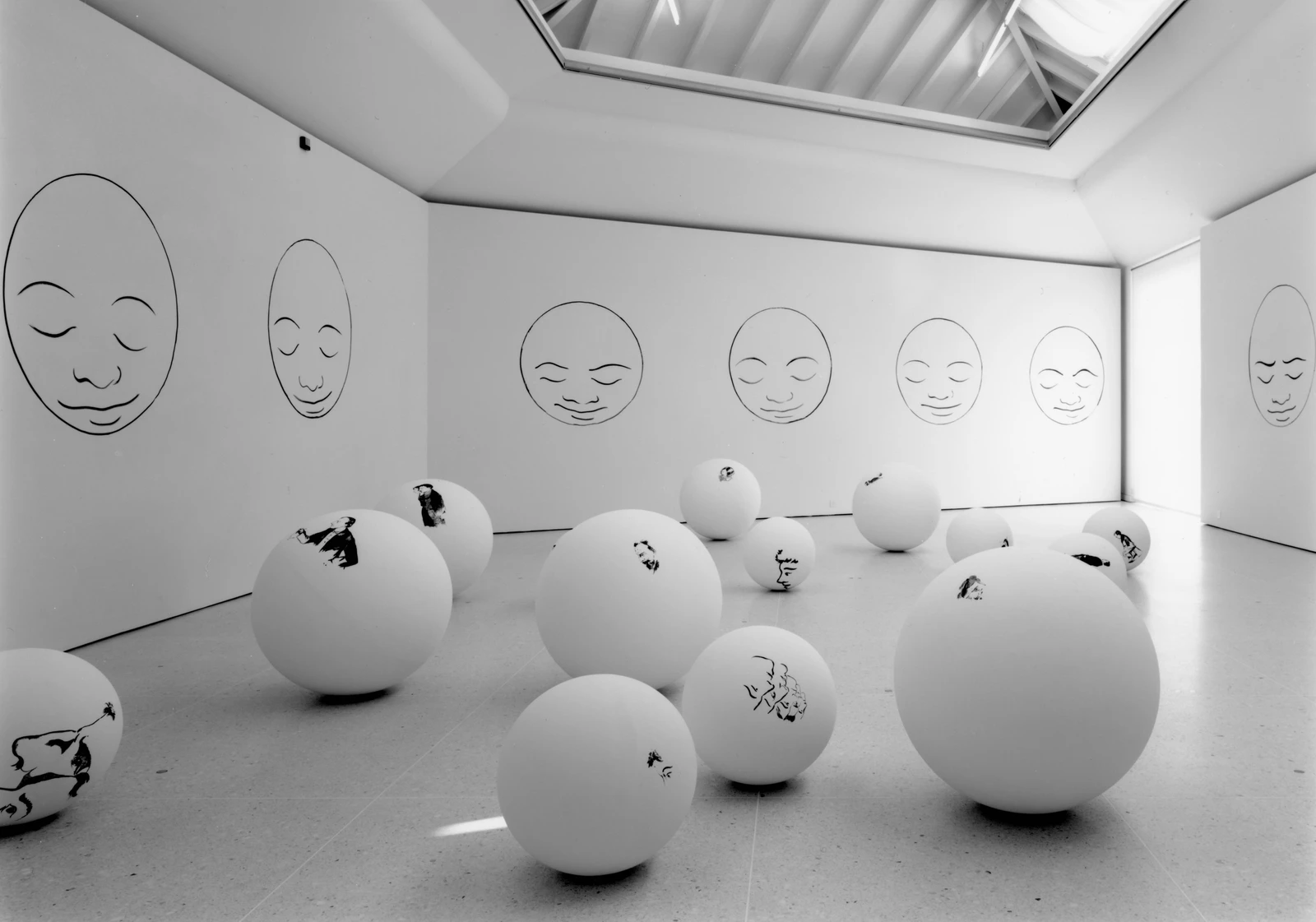
In 1997, the Dialog-Werkstatt Zug, an association of various cultural institutions in Zug, awarded the first translation scholarship to Gabriele Leupold, Berlin. The award winner translated Andrj Belyj's novel Petersburg from Russian. Various organisers held accompanying cultural events to mark the occasion. Kunsthaus Zug showed works by the Moscow artists' group Inspection “Medical Hermeneutics”. Its members were also authors and worked intensively on the topic of words and images. The Zug exhibition and the accompanying catalogue were entitled Binocle and Monocle - Life and Works and referred to the novel of the same name by two members of the group, which was published by Suhrkamp Verlag. With large wall drawings, objects and photos, the group had transformed the entire Kunsthaus into a “novel” full of irritation, humour and subtlety.
Inspection “Medical Hermeneutics” belonged to the circle of the Moscow Conceptualists and existed from 1987 to 2001. With numerous exhibitions, the group became internationally known and its members belonged to the most important younger artists in Russia. The group began its activities under the difficult cultural conditions of the Soviet Union and formed a kind of subversive family called NOMA with the other Conceptualists (which also included Ilya Kabakov and Boris Groys). The circle was a community for conversation that gained its freedom from endless dialogue. All the works (texts, drawings, commentaries, installations) of the various artists refer to it. Anyone who had mastered “slang” and knew the basic themes of NOMA could also create numerous references to the Zug exhibition, but a final solution to the enigma could never be found. The abundance of associations ultimately cancelled each other out: The result was a meaning-ful emptiness. The distance to all motifs and themes provided space for contemplation and reflection.
Father and Son. Victor Pivovarov and Pavel Pepperstein
Project Collection (2)

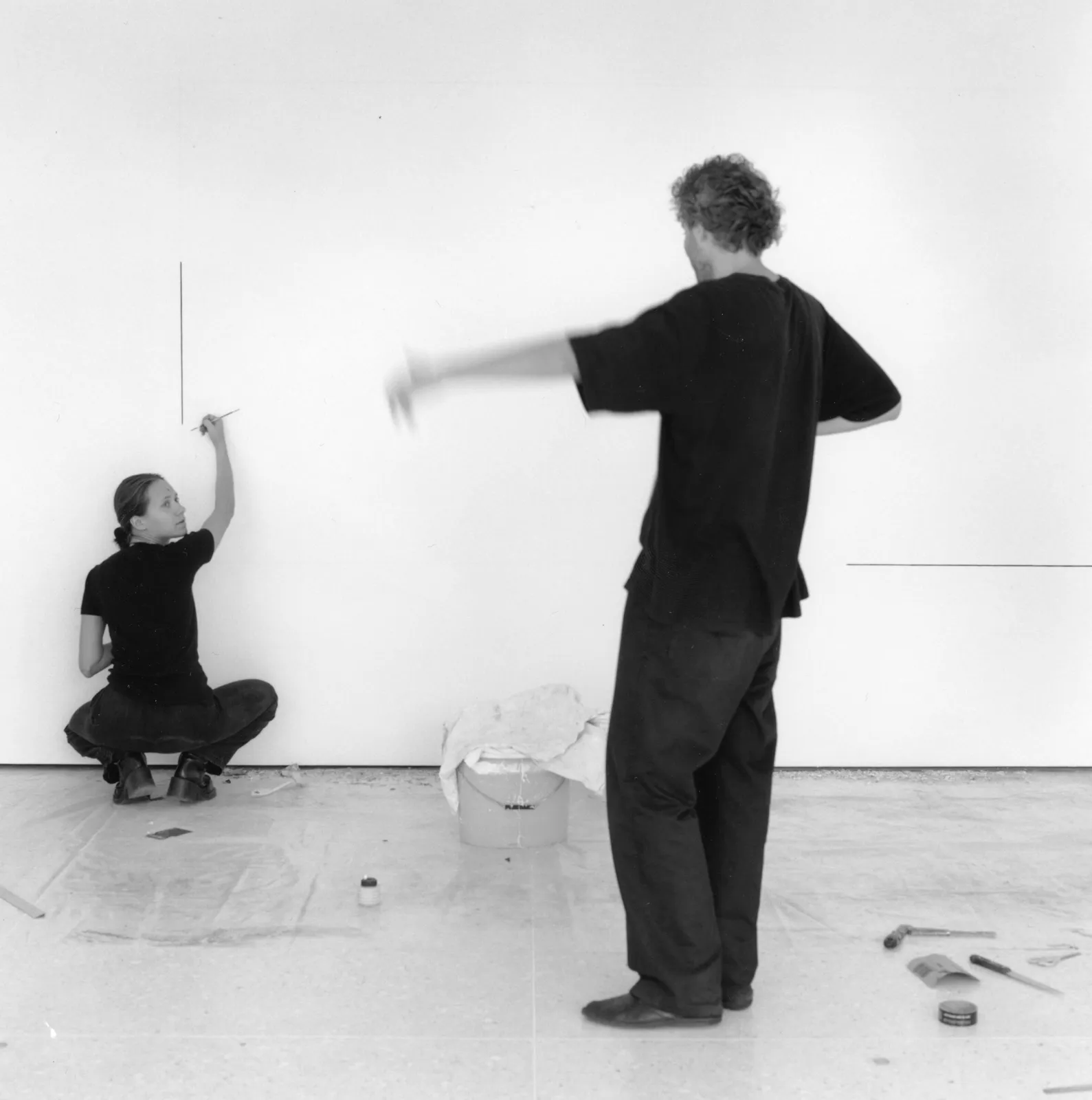
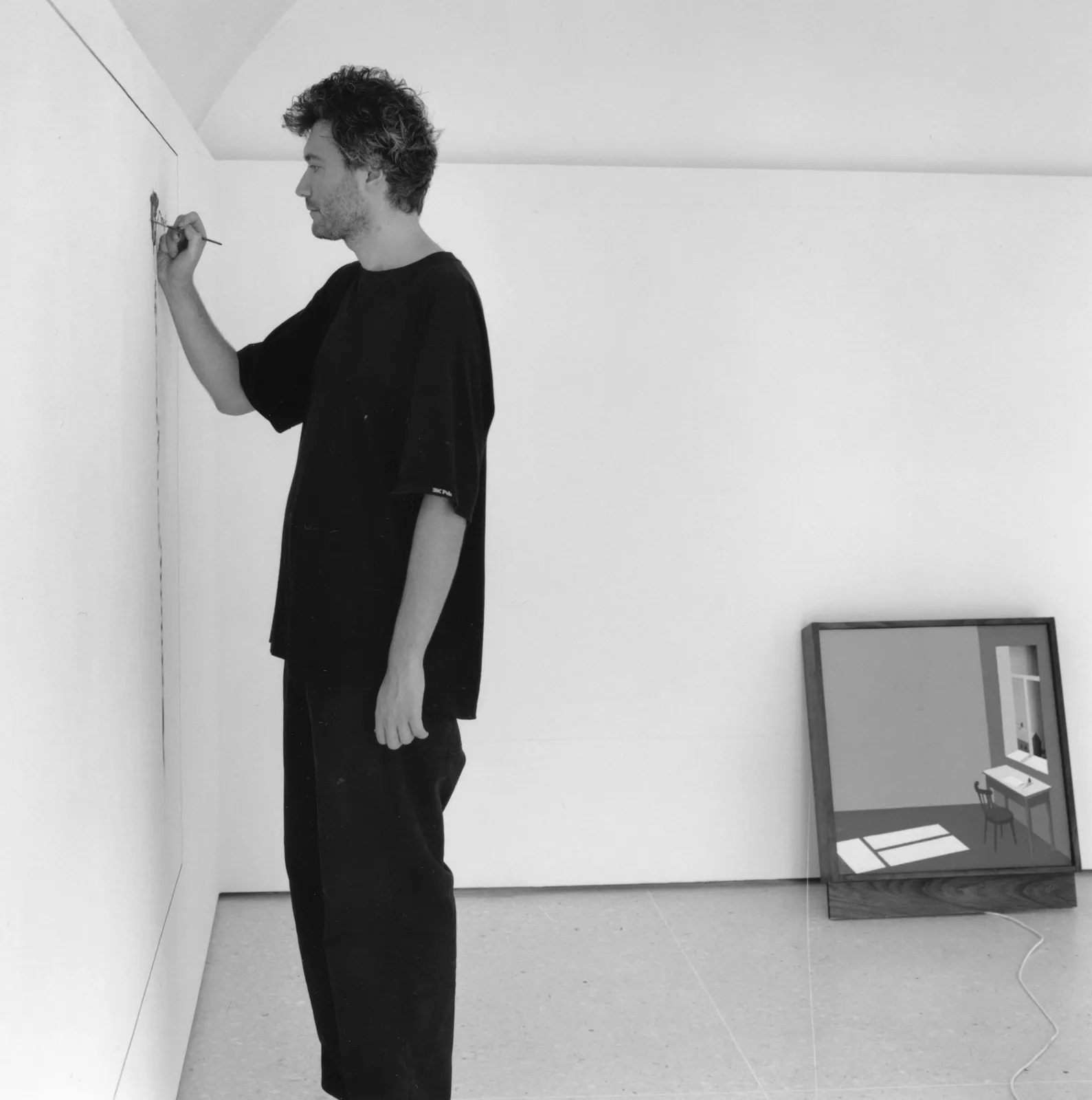
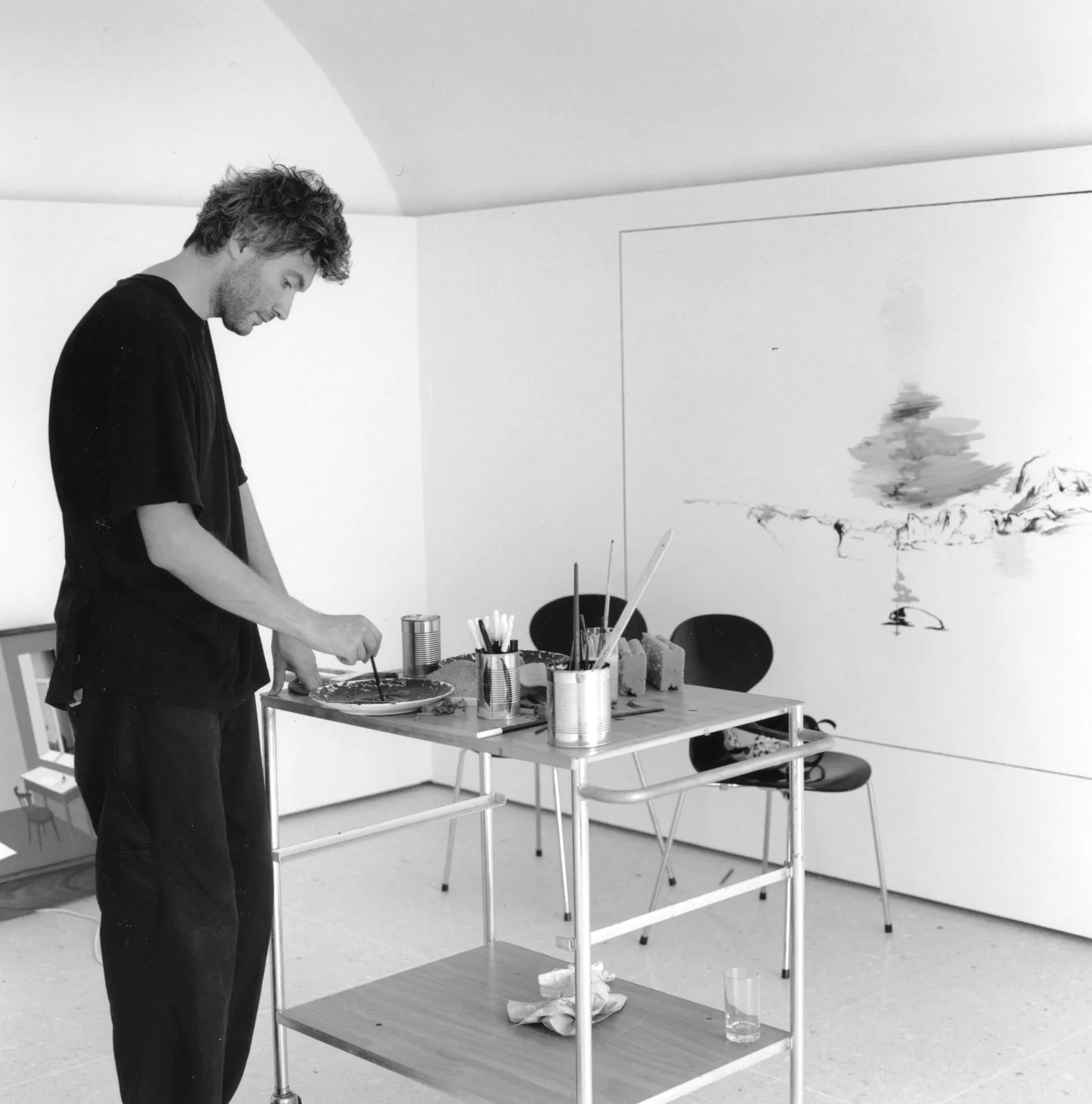
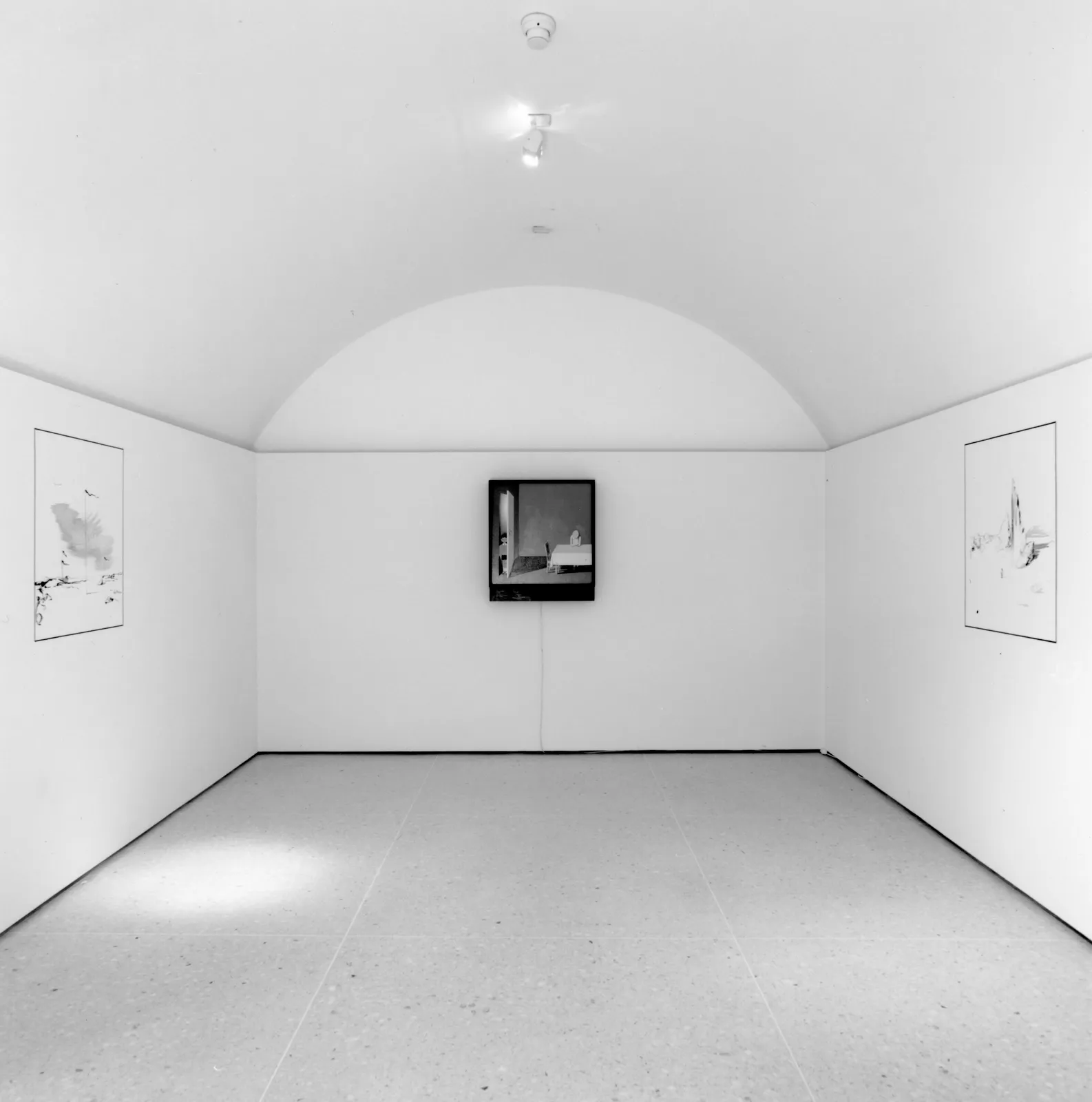
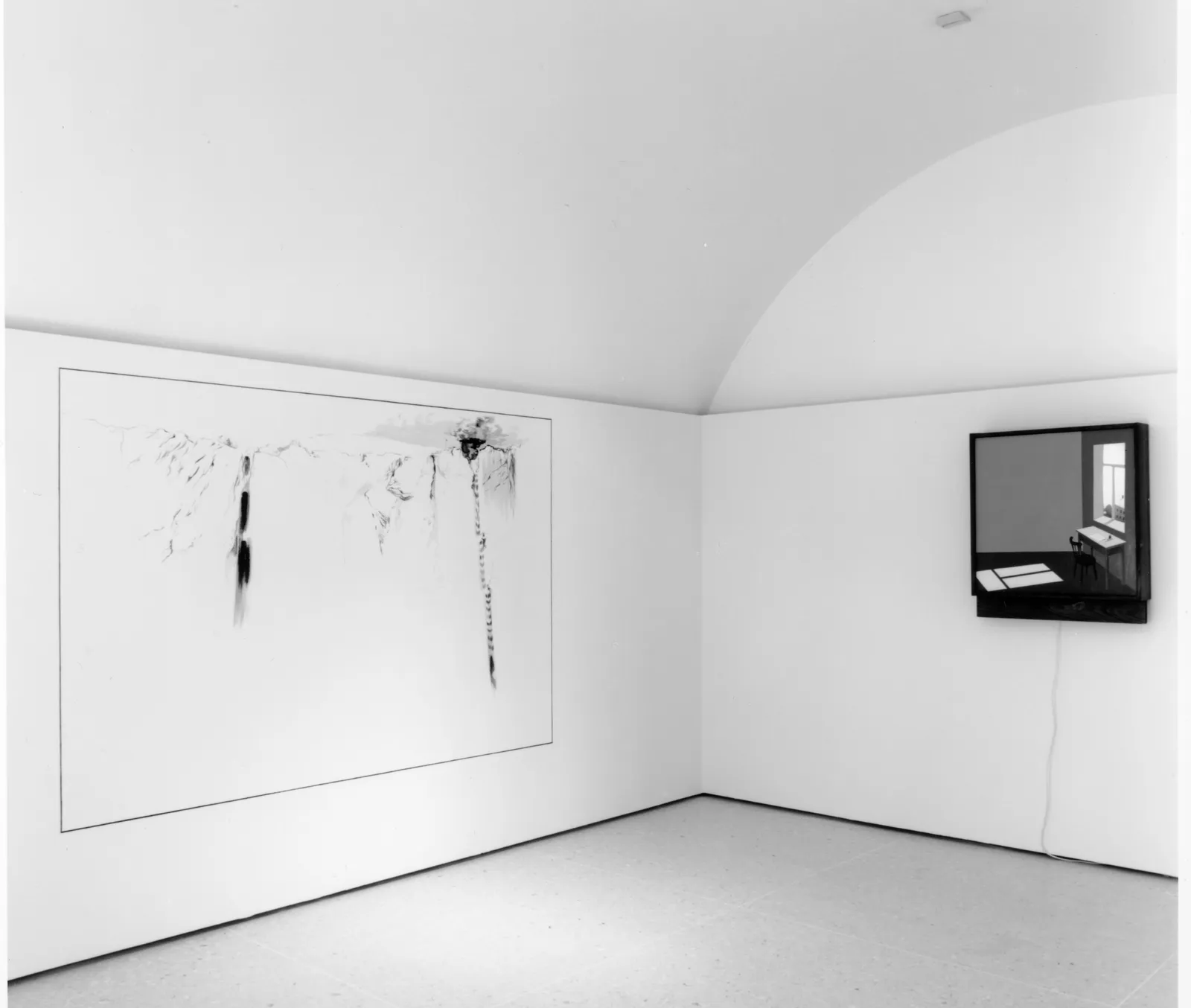
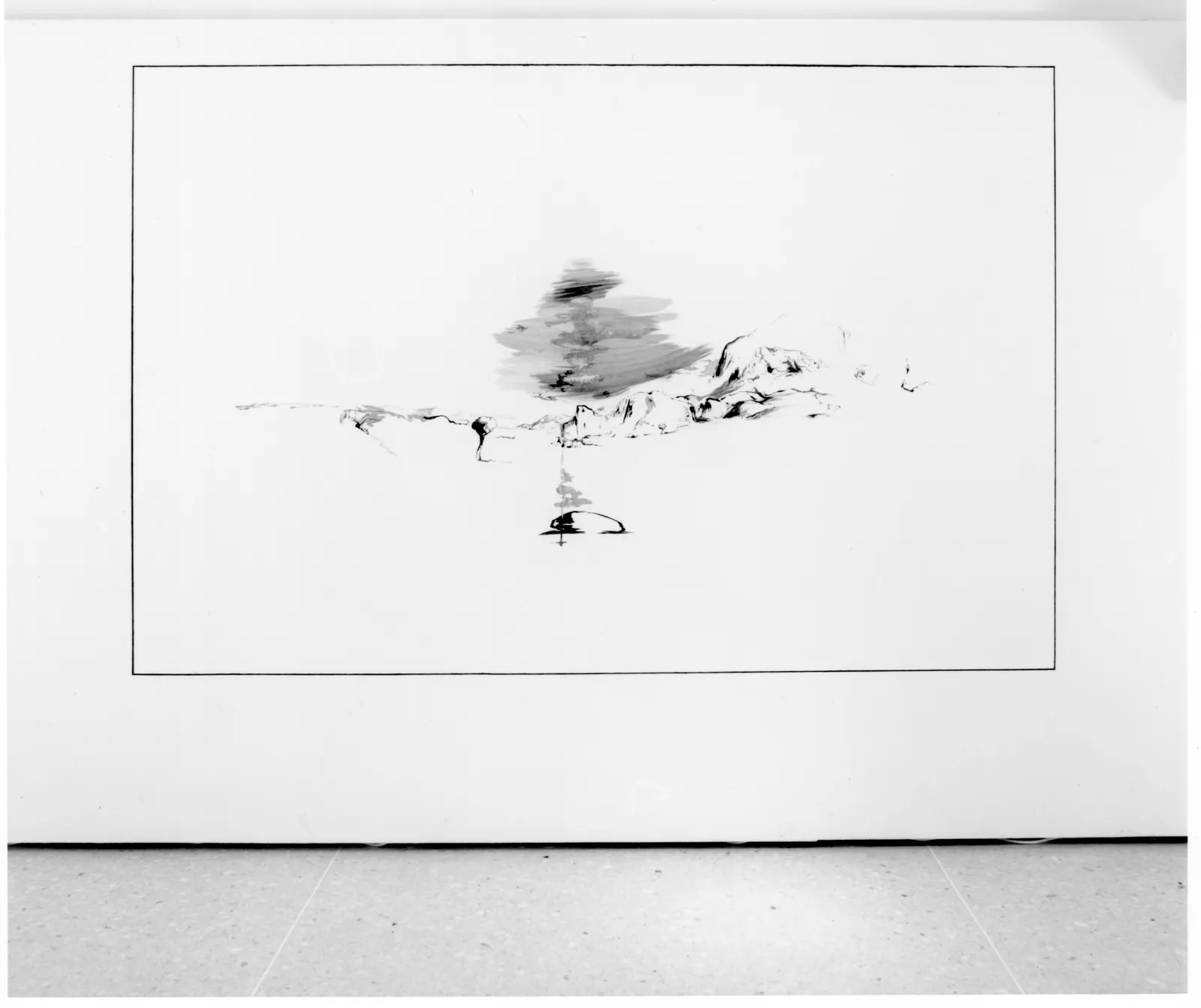


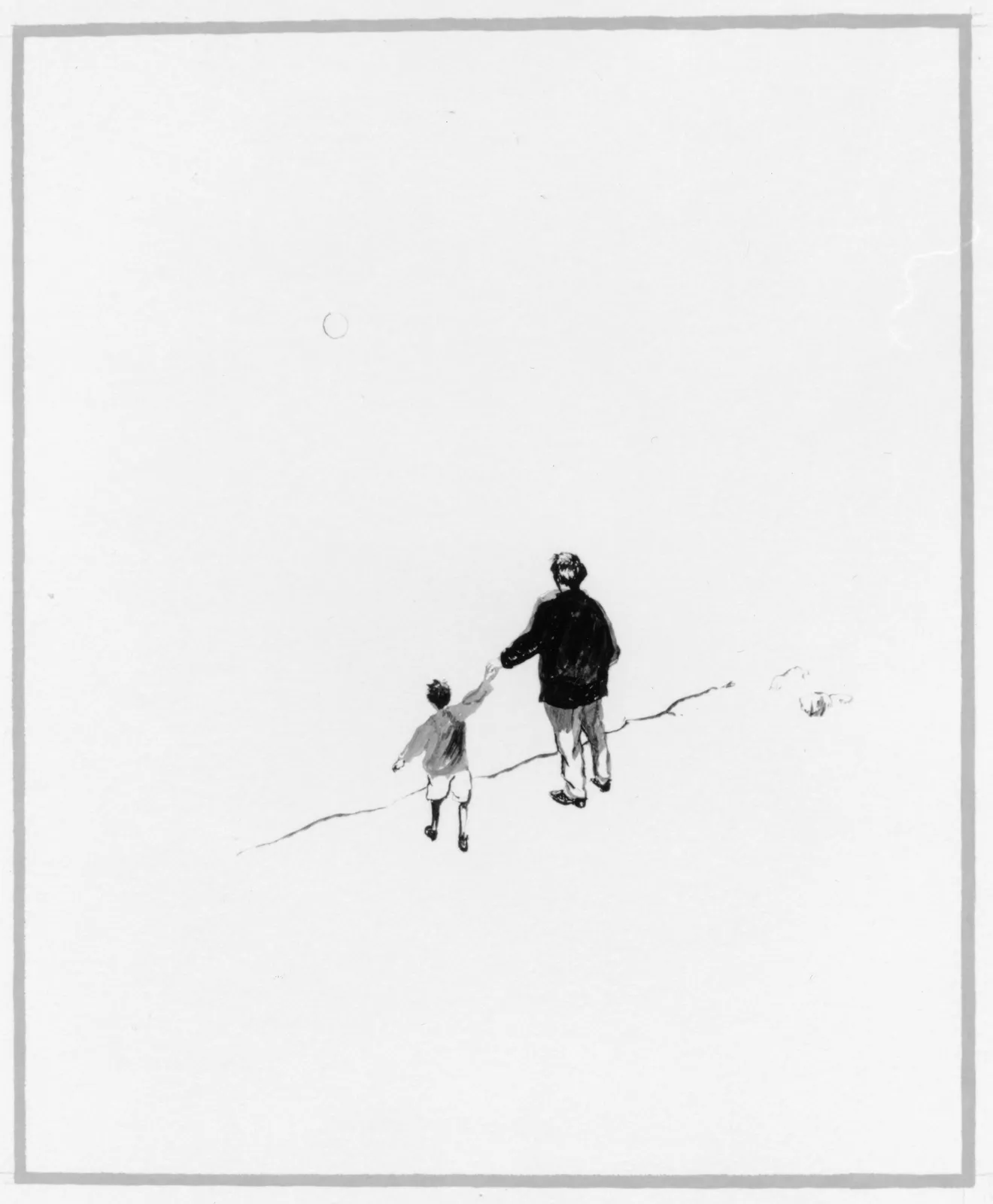
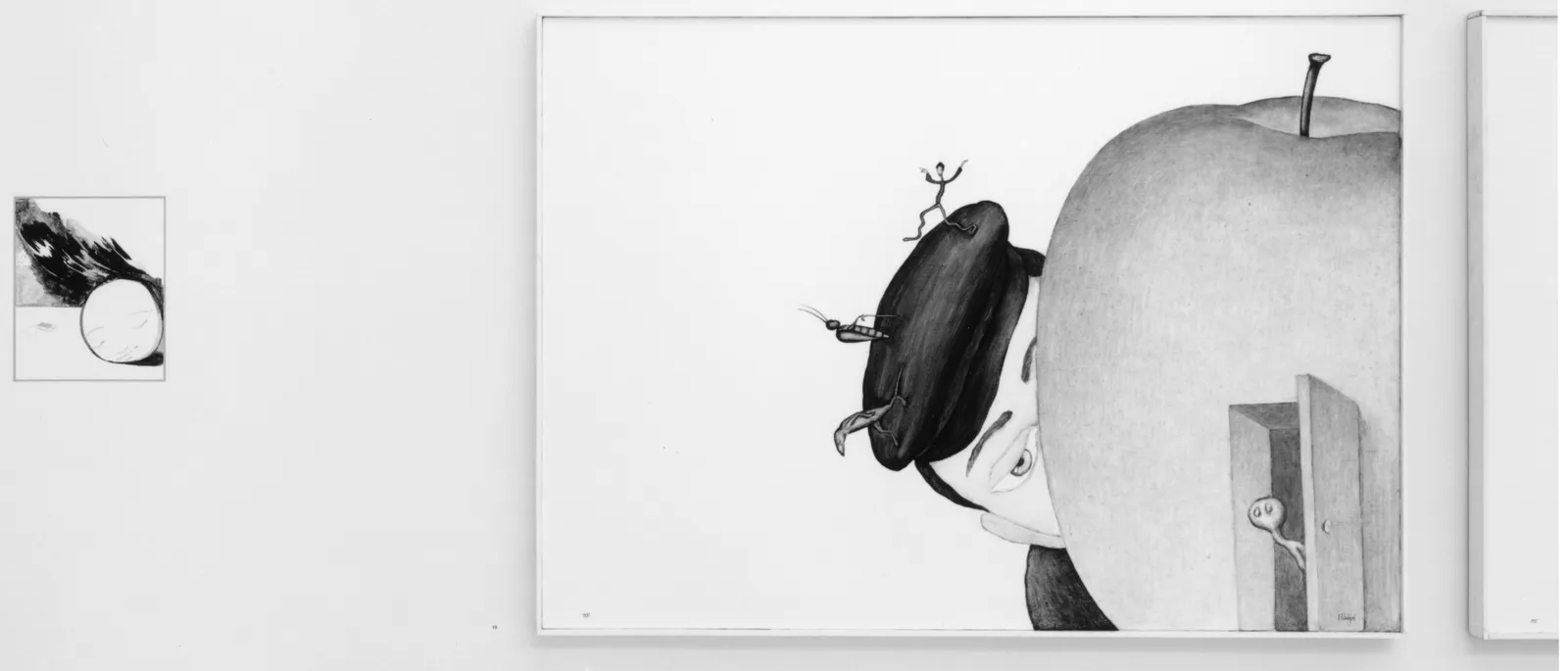
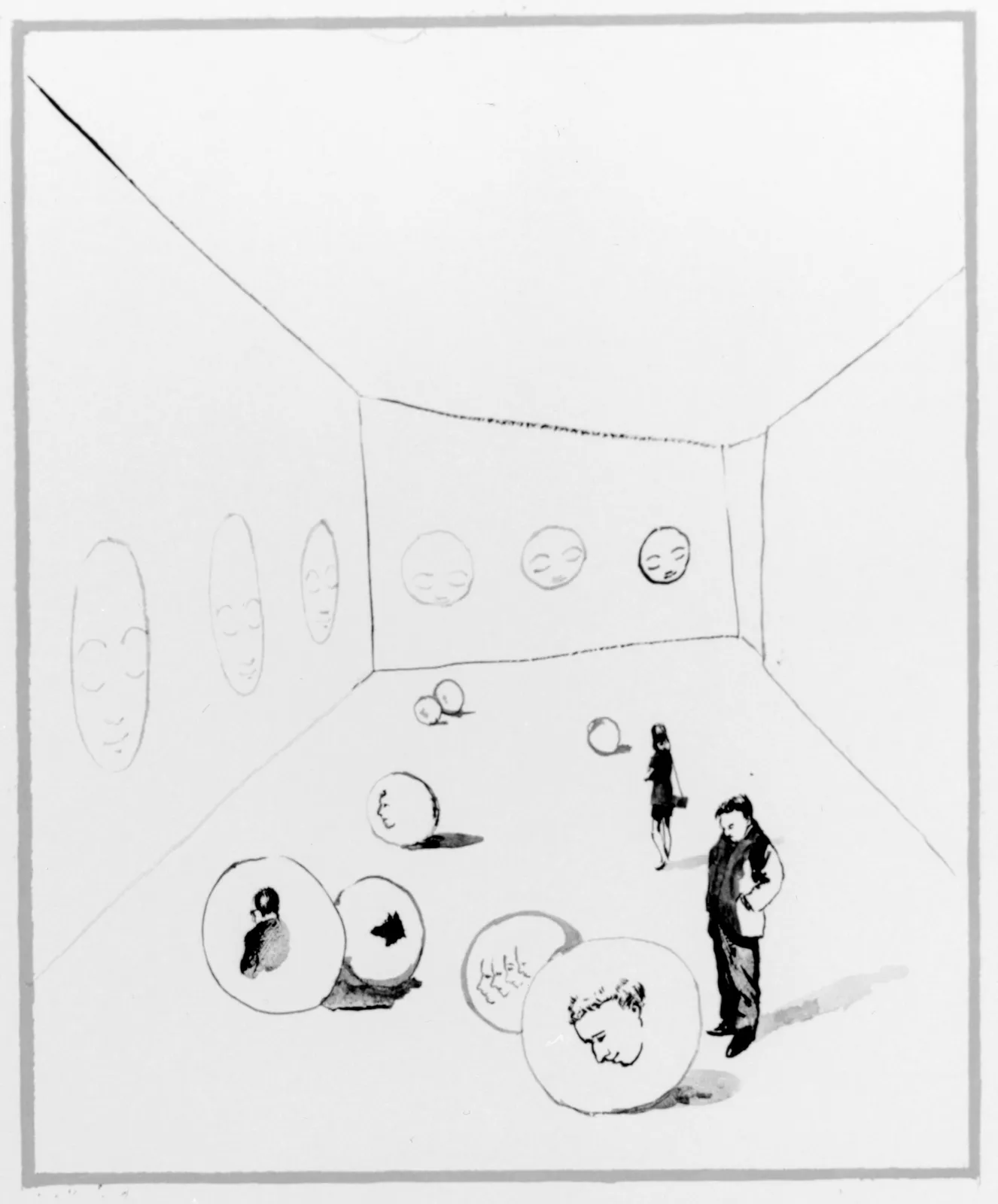
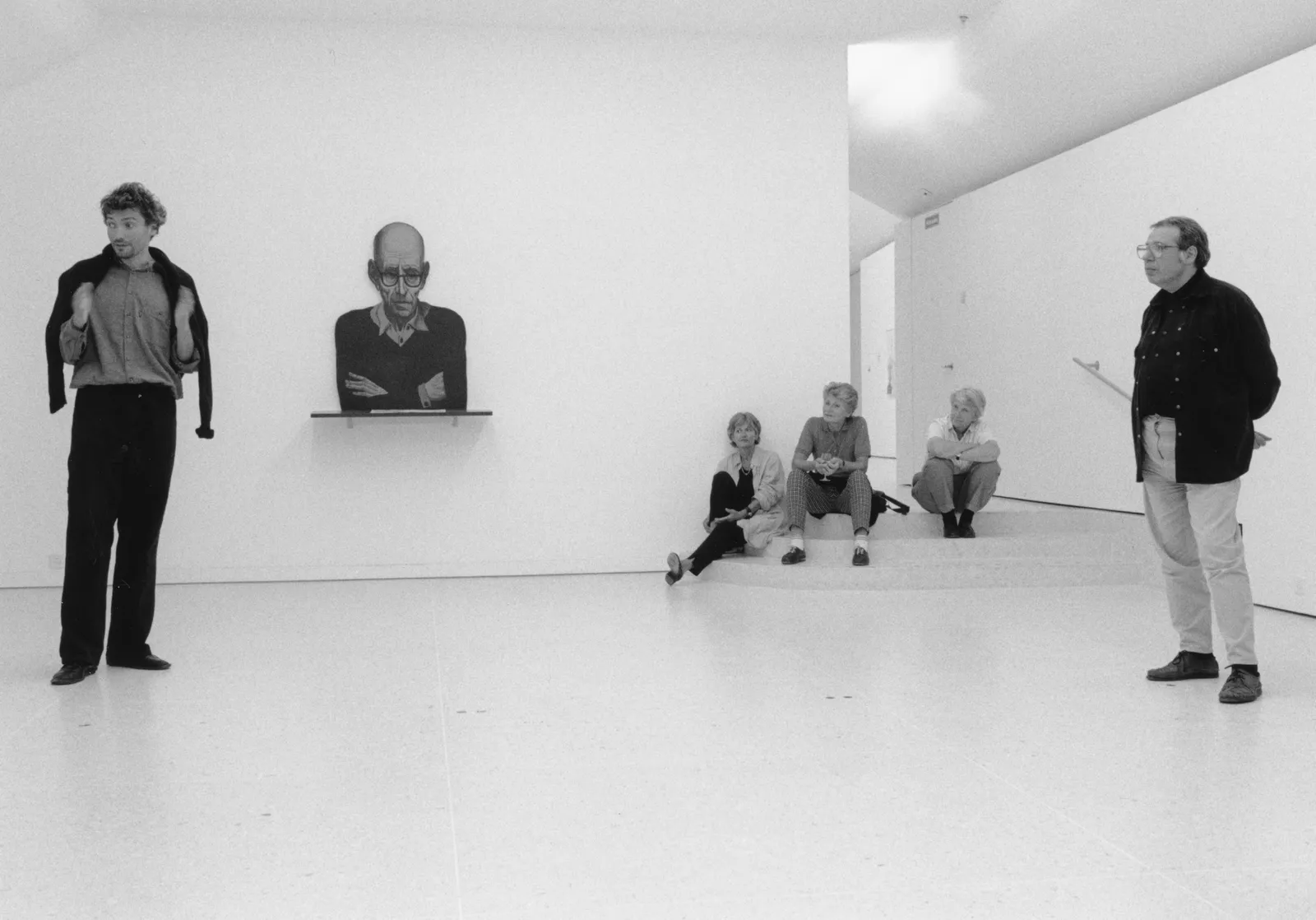

As part of Project: Collection, the Moscow artist Pavel Pepperstein had his second exhibition in Zug in 1999, this time together with his father Victor Pivovarov. Pepperstein is a leading figure in the circle of younger Moscow artists and has also made a name for himself as an author and theoretician. His father is one of the main representatives of the first unofficial Russian generation of artists who became active in the 1970s. Like his friend Ilya Kabakov, he was officially active as an illustrator of fairy tales and children's books, for which he became famous in his country. With Kabakov, he developed the genre of the album in the seclusion of their studios, which was to become the basis of the later so-called Moscow Conceptualism. The latter was formed by a group of artists, authors and theorists of different generations, who were active in private without an audience until the end of the 1980s and since then have made their presence felt above all in the West with unusual projects. The international reception of contemporary Russian art was promoted early on, especially by Swiss supporters, for example by the then Ambassador Alfred Hohl in Moscow and the State Secretary Paul Jolles. Both then still illicitly established initial contacts with artists, which then led to exhibitions and sales of works in the West. Pivovarov and Pepperstein were among their close friends.
Pivovarov moved to Prague in 1982, where he lives today. In the West, his work could not be seen for a long time and the exhibition in Zug was his first Swiss presentation. For the first time, he also exhibited together with his son. The focus was on Pivovarov's group of works Books of Old Men with five portraits of his adoptive fathers (he grew up without a father of his own) and a series of illustration-like pictures reminiscent of children's books. With his murals, Pepperstein reacted to his father's instructions and, to a certain extent, made his comments on them. The result was a unique and multi-layered exhibition that was an art work in itself.
MOZES. The Artist Group “Russia” and Pavel Pepperstein
Project Collection (3)
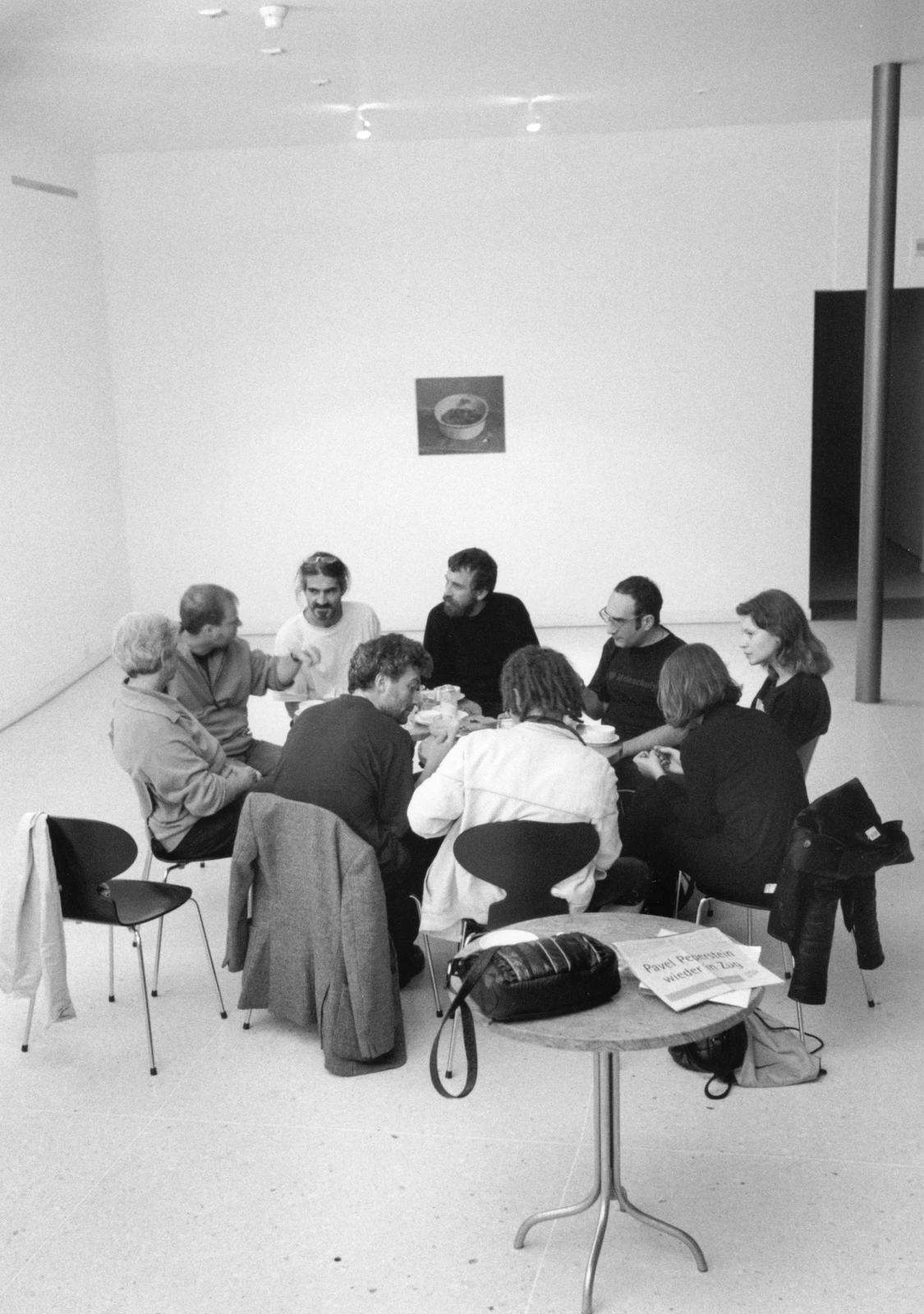

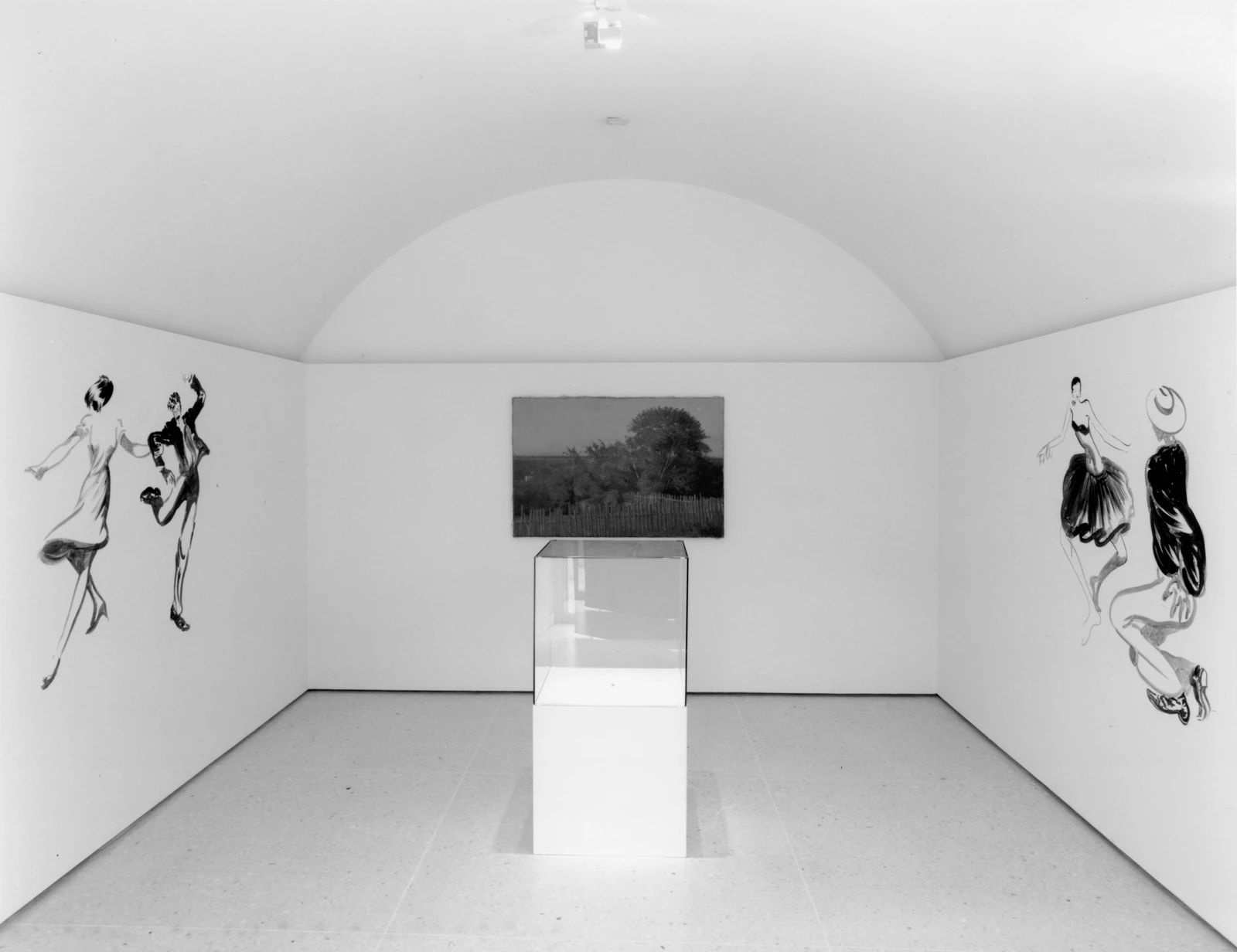


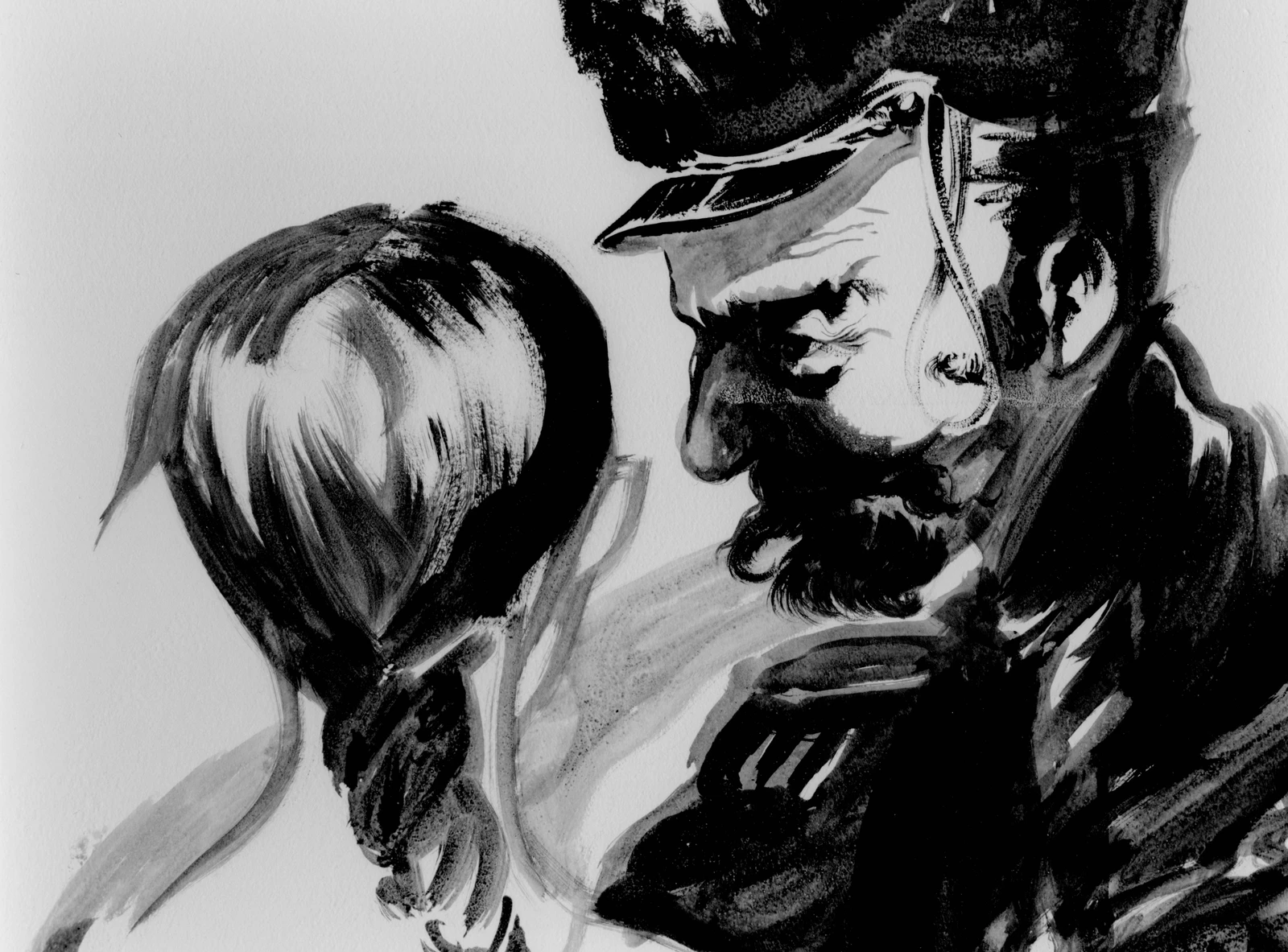

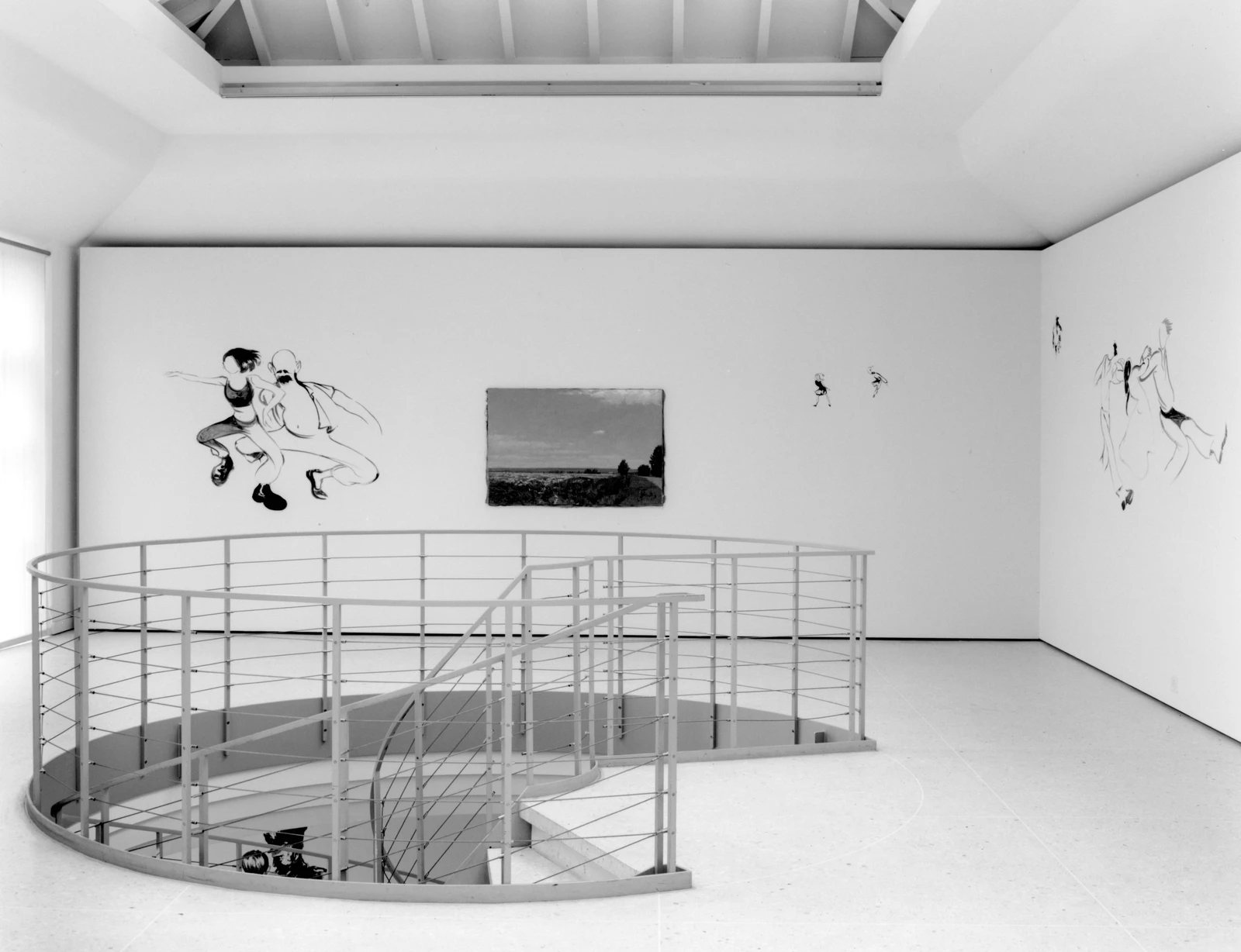
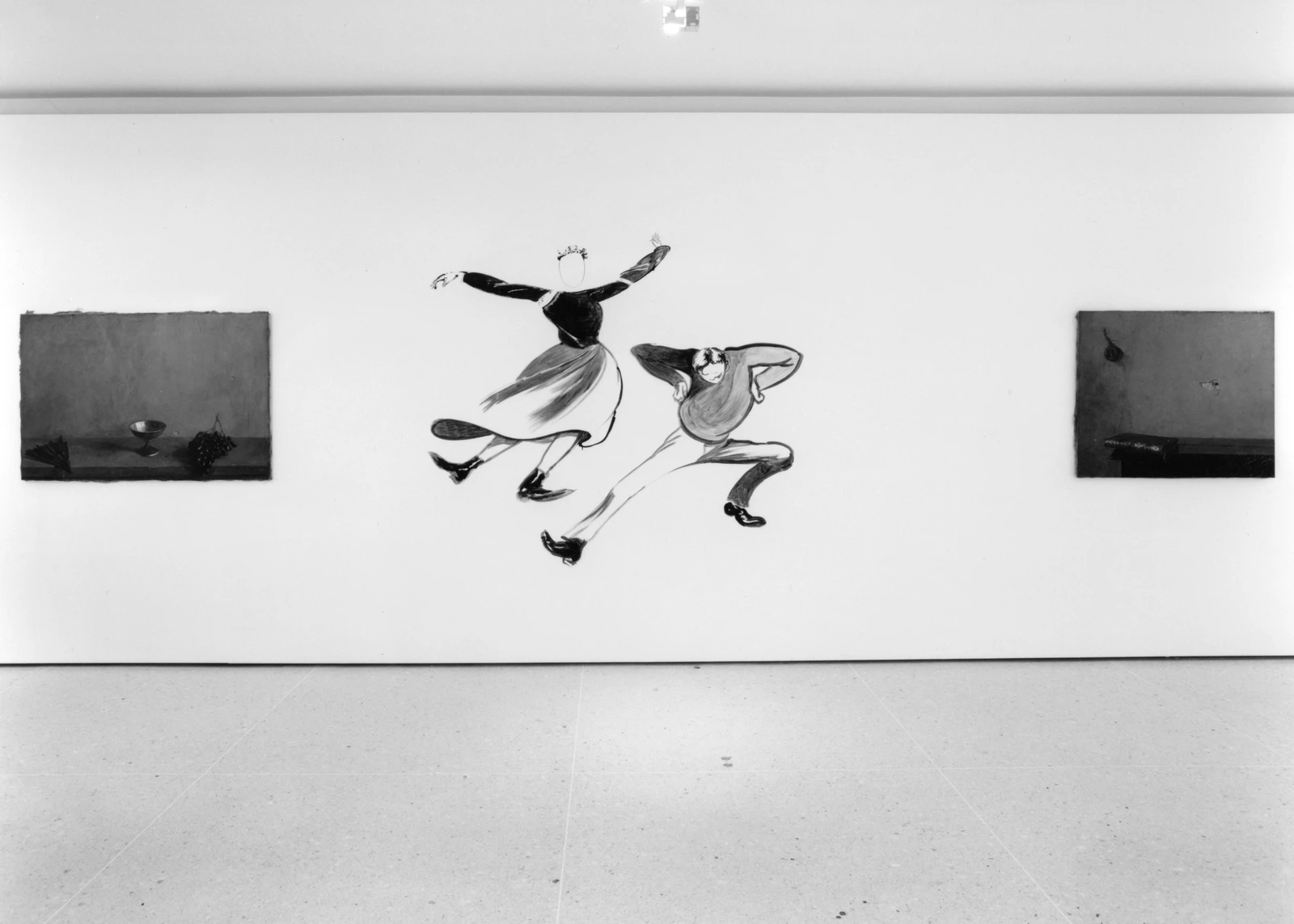
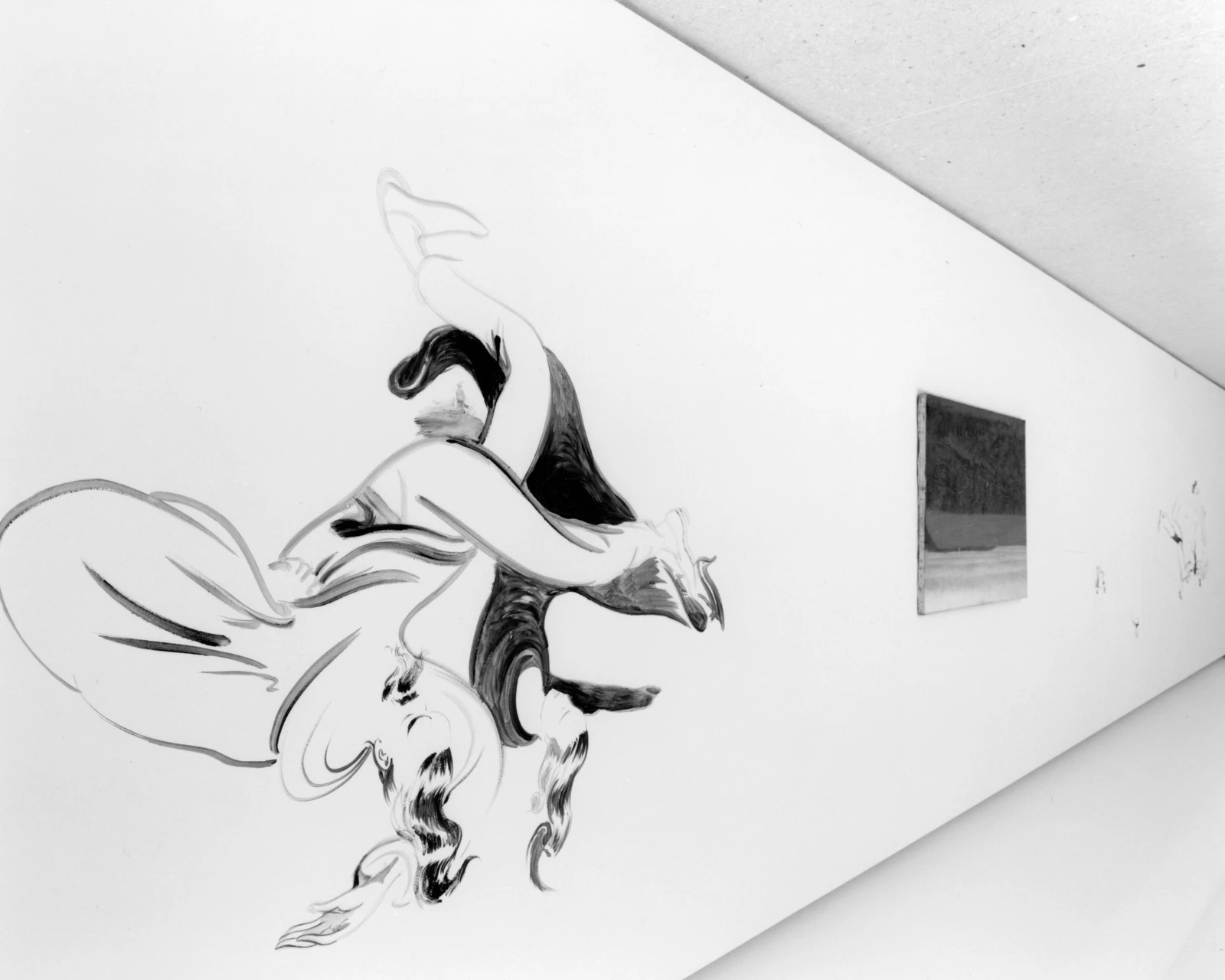


For the third time, the Moscow artist and author Pavel Pepperstein made a guest appearance in Zug as part of Project: Collection. In 2000, he invited the Russia group from Moscow to cooperate with him. The group includes the painters Ivan and Egor Dmitriev, Ludmilla Blok and Dmitri Loukanin, who presented their works in Switzerland for the first time. The influence of Pepperstein and his group Inspection “Medical Hermeneutics” on Russian art of the 1990s also was the subject of a large show in Paris (Ecole nationale supérieure des beaux-arts).
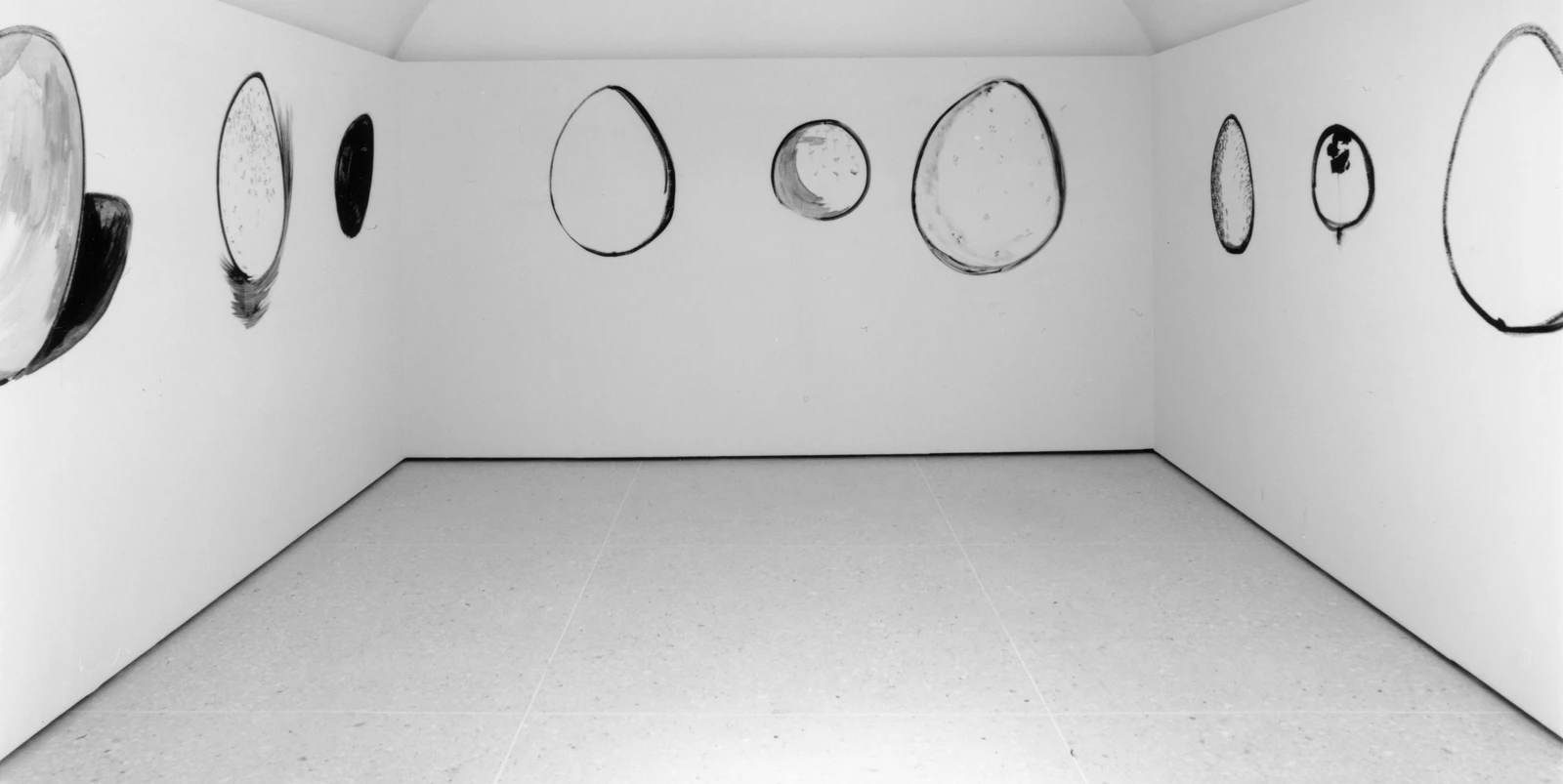
With the unusual title of the Zug exhibition, MOZES, one quickly associates the first commandment of the Tablets of the Law (which Moses received from God on Mount Sinai): “Thou shalt not make thee any graven image…” An art exhibition with the title “Mozes” thus appears as a blatant contradiction. As is well known, the forbidding of images had extremely serious consequences for the cultural history of East and West (Byzantine iconoclasm and iconoclasm during the Reformation). Beyond historical references, however, the title of the Zug exhibition draws attention to the question of imagery. What is a picture? The pseudo-realist paintings of the Russia group (landscapes, still lifes, figure paintings) in particular seem to criminally disregard this precept. Or is there an image beyond the image, an iconoclasm immanent to the image, so to speak? For Pepperstein, MOZES was the occasion for his first abstract paintings, which he confronted with the works of the Russia group he had selected. In addition, a series of small golden objects based on Pepperstein's designs was also exhibited.
There was a second part to the project: Pepperstein conducted extended dialogues about Moses with the St. Petersburg philosopher and psychoanalyst Viktor Mazin. An essay in German was published in advance of the Zug exhibition: Sheriff Moses. The starting point of the witty and humorous conversations was Freud's famous interpretation of Michelangelo's Moses sculpture – hermeneutics as artistic practice.
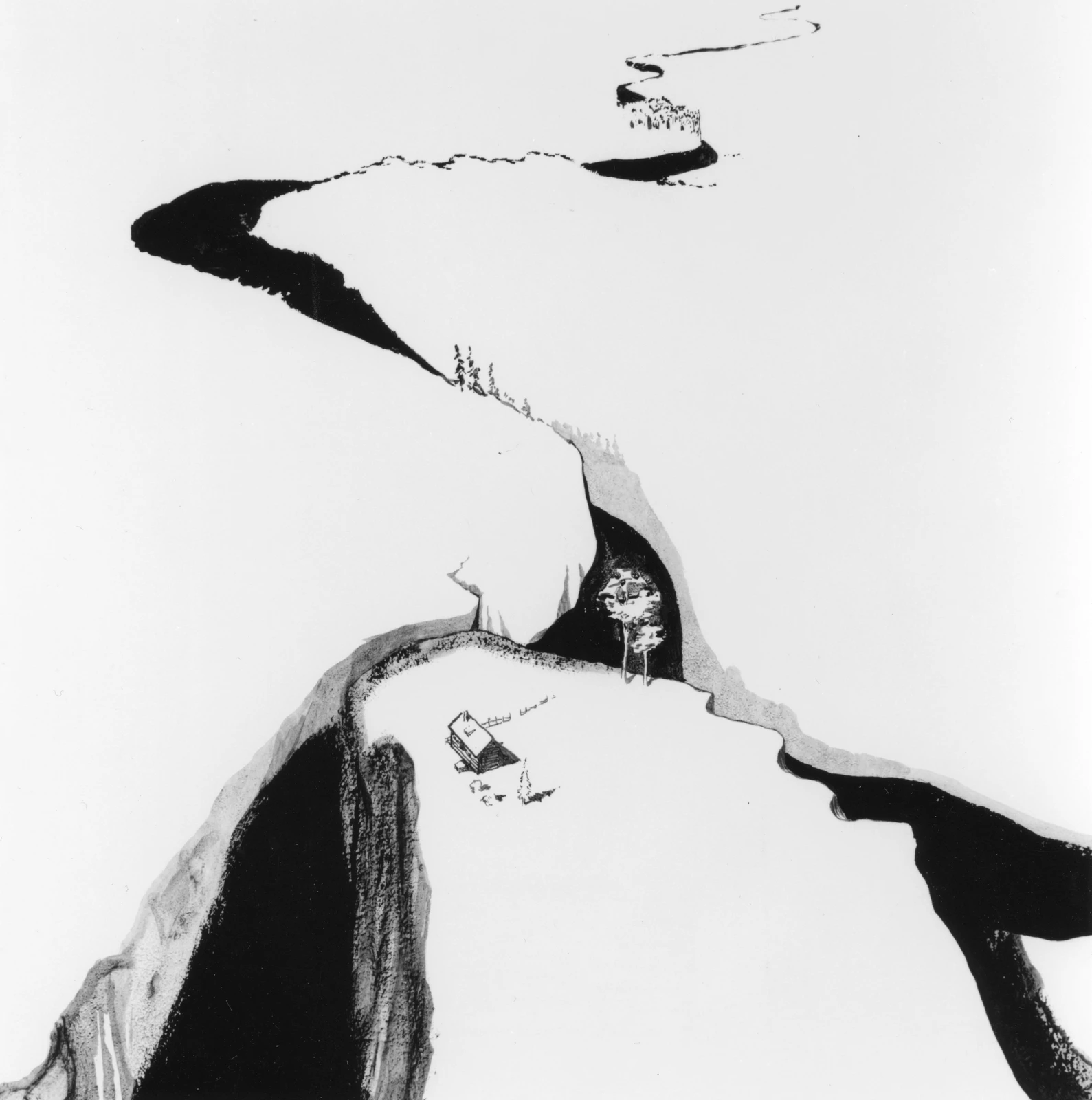
In the summer of 2000, Pavel Pepperstein was commissioned by the municipality of Menzingen to decorate the Ochsenmatt 1 school building with around 30 murals – mental landscapes that turn a tour through the building (from the toilet to the staff room) into a virtual journey around the world.
Ilya Kabakov, Boris Groys, Pavel Pepperstein. The Exhibition of a Conversation
Project Collection (4)

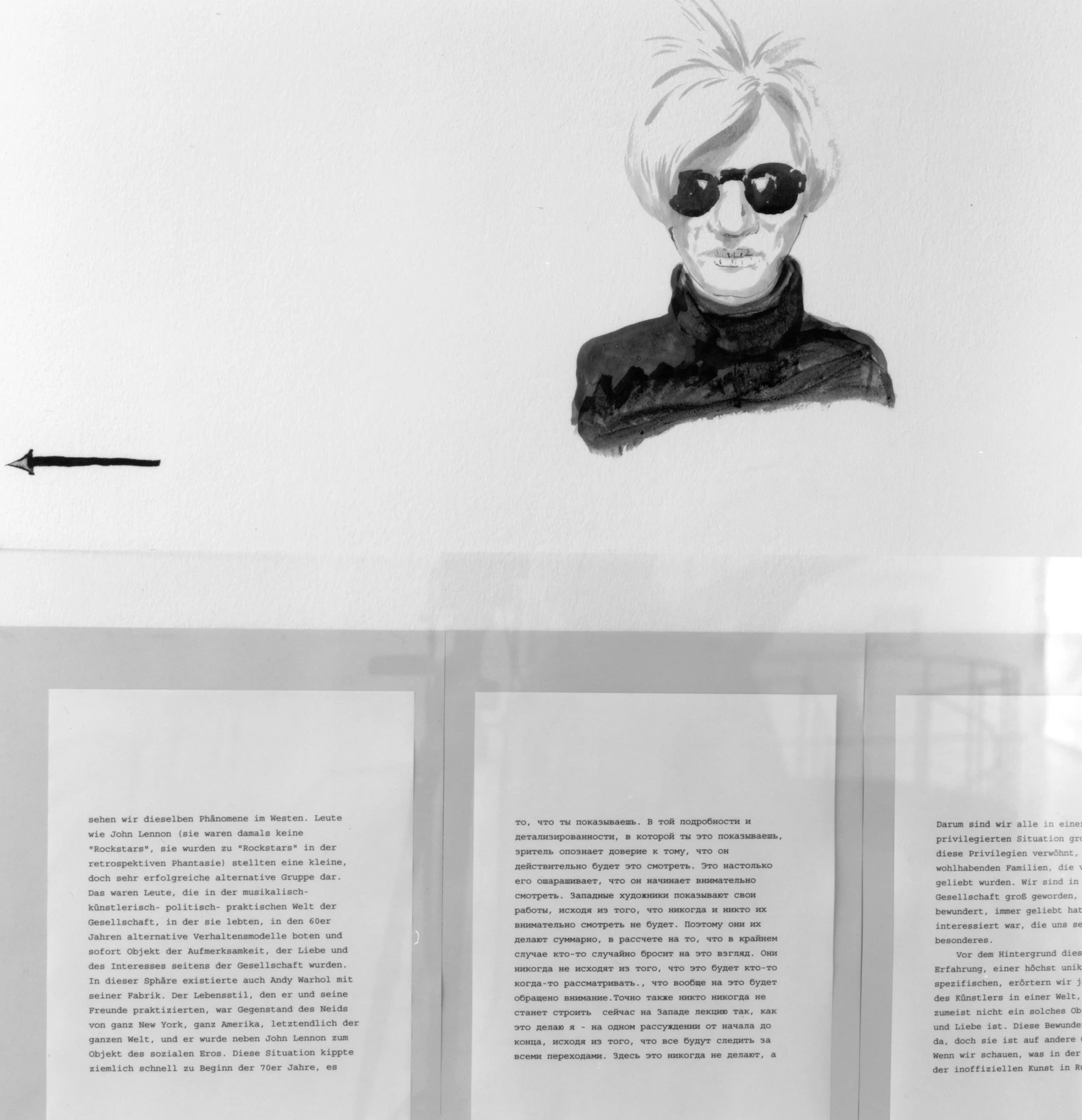

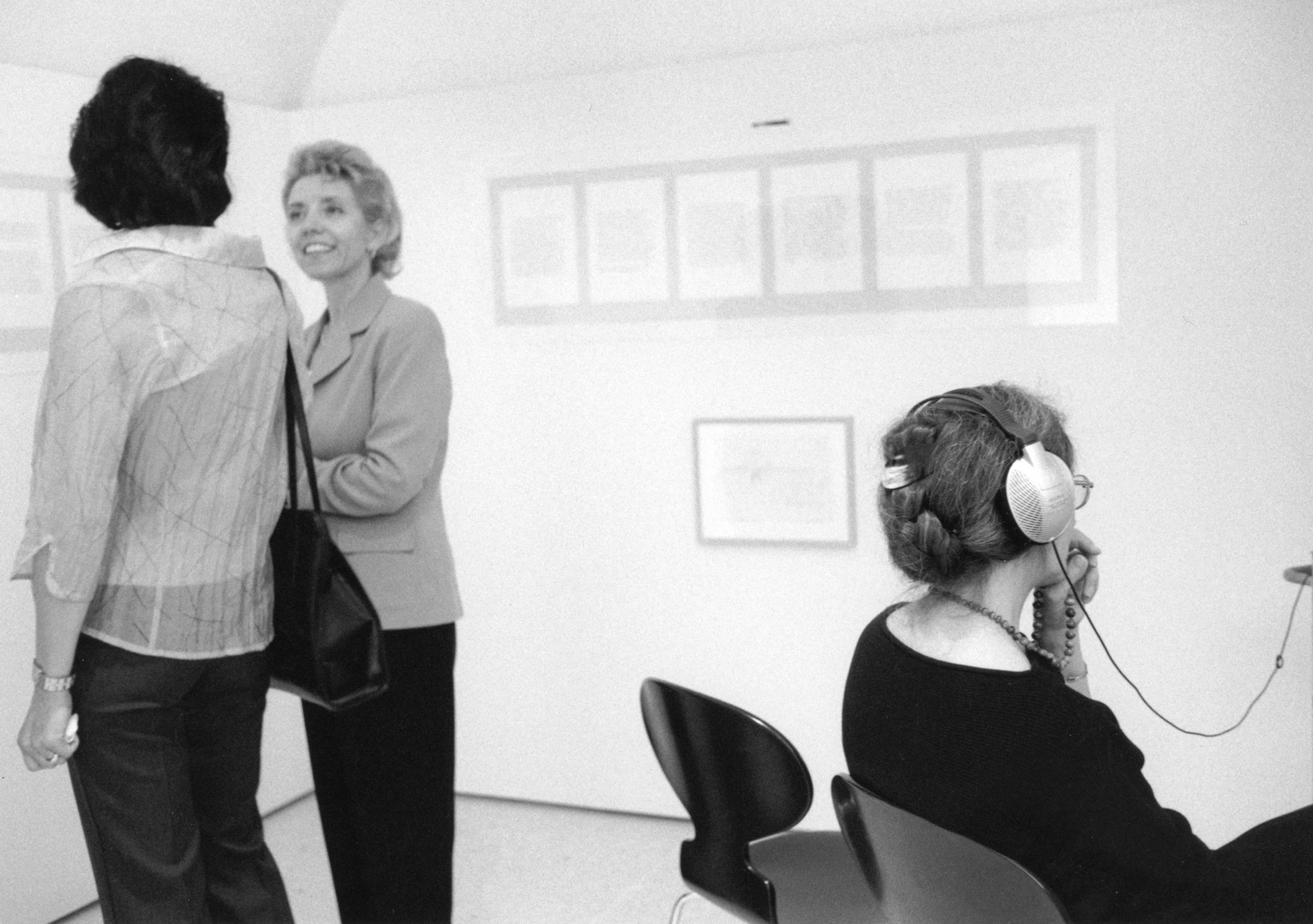
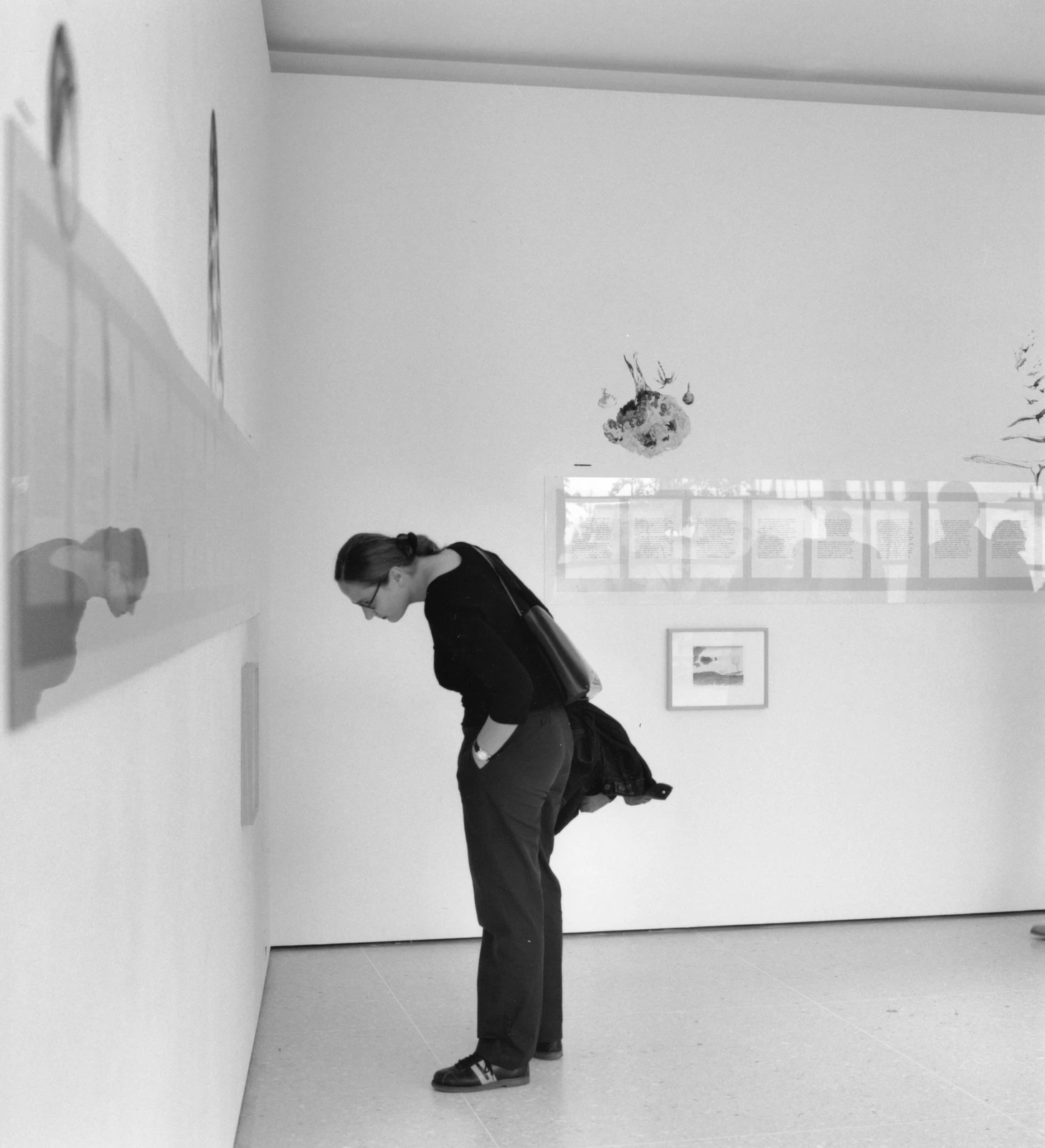
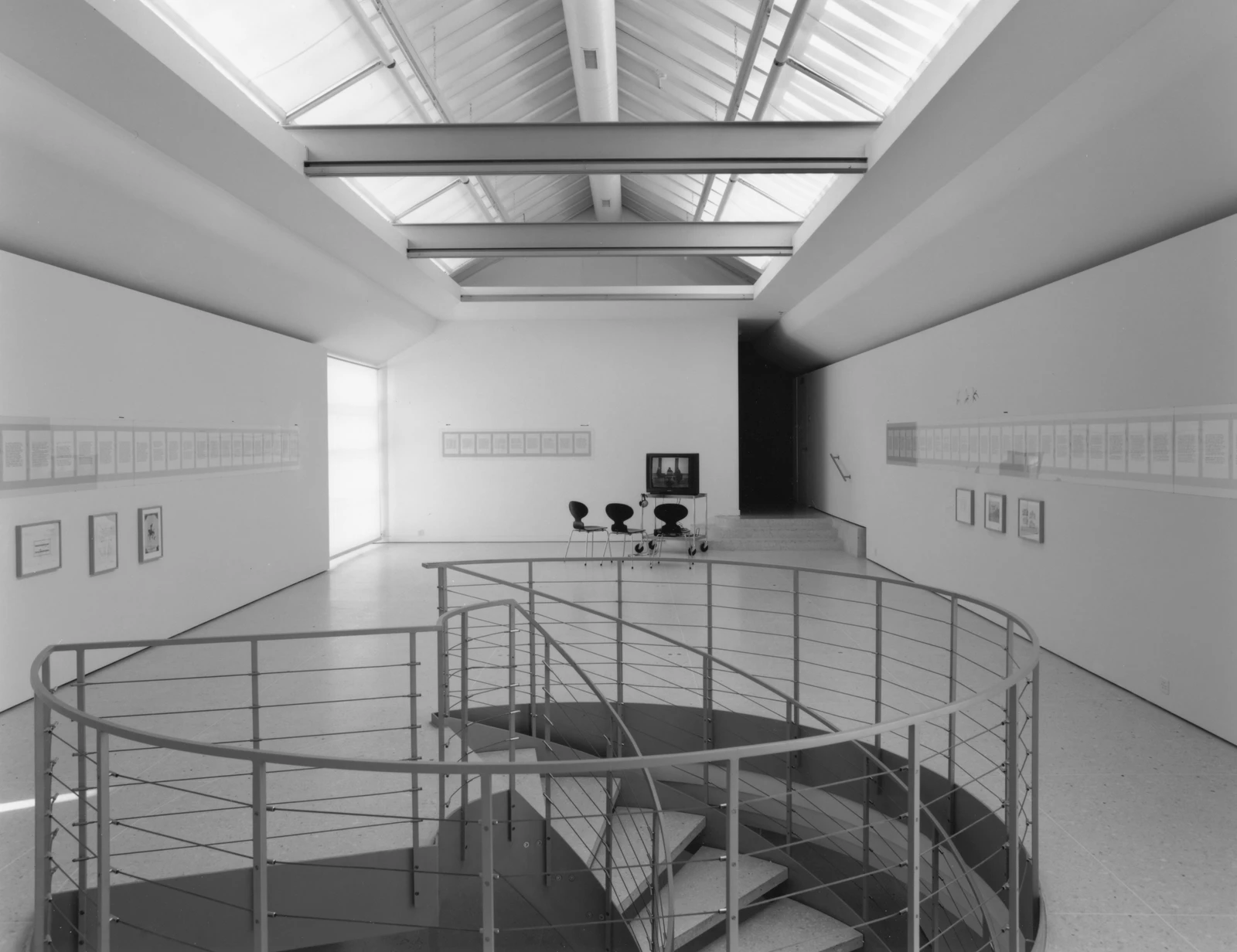
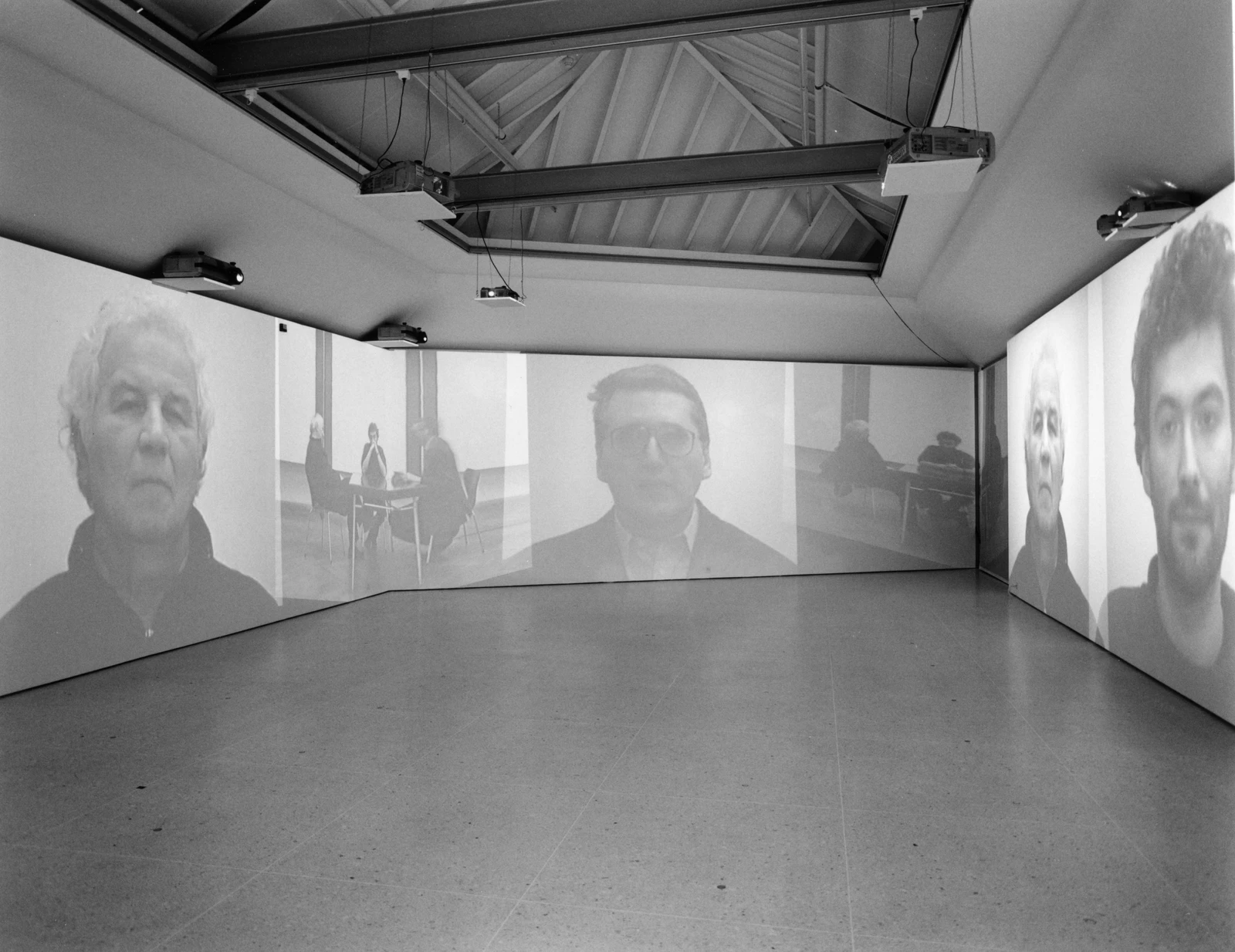

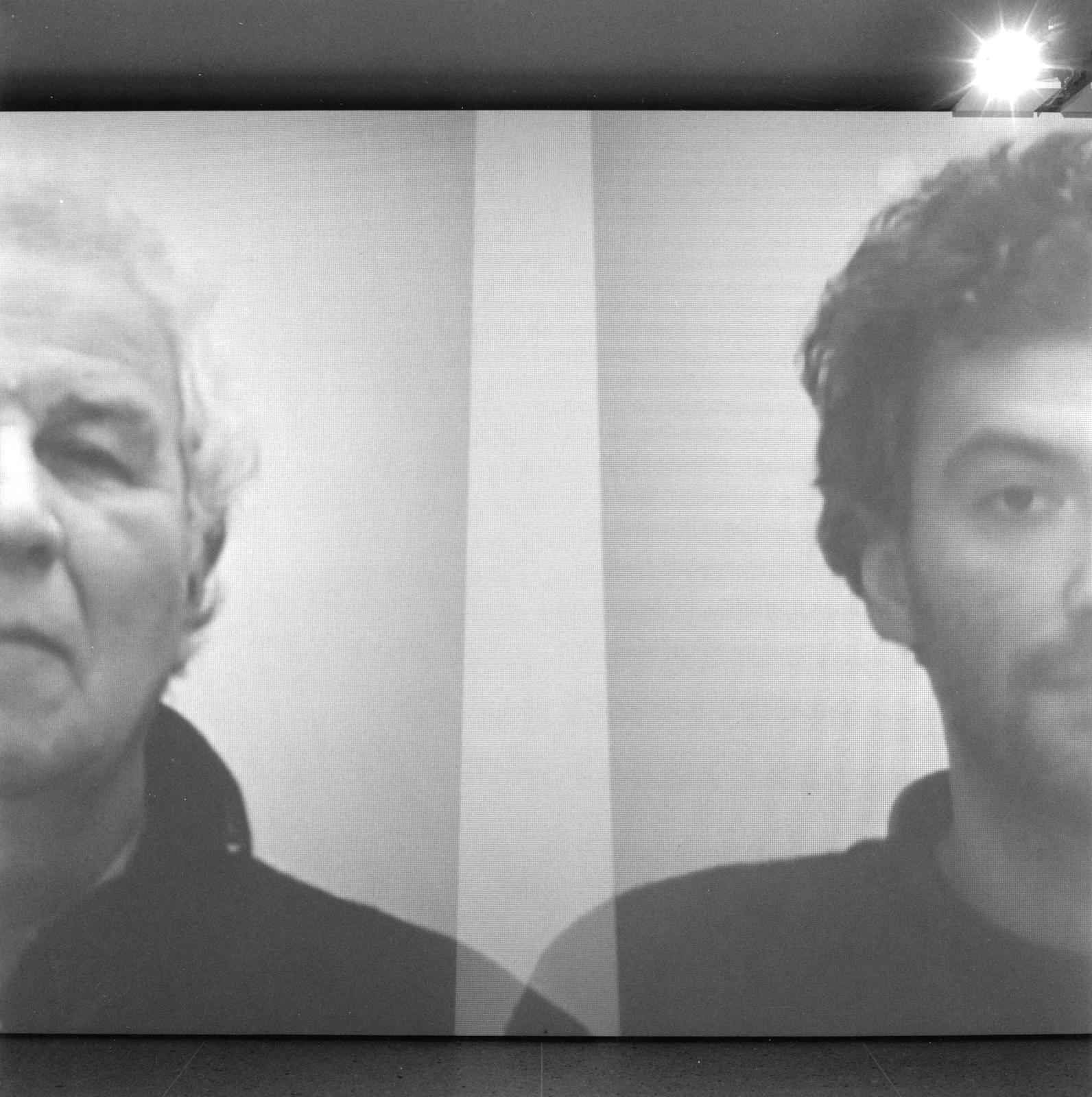

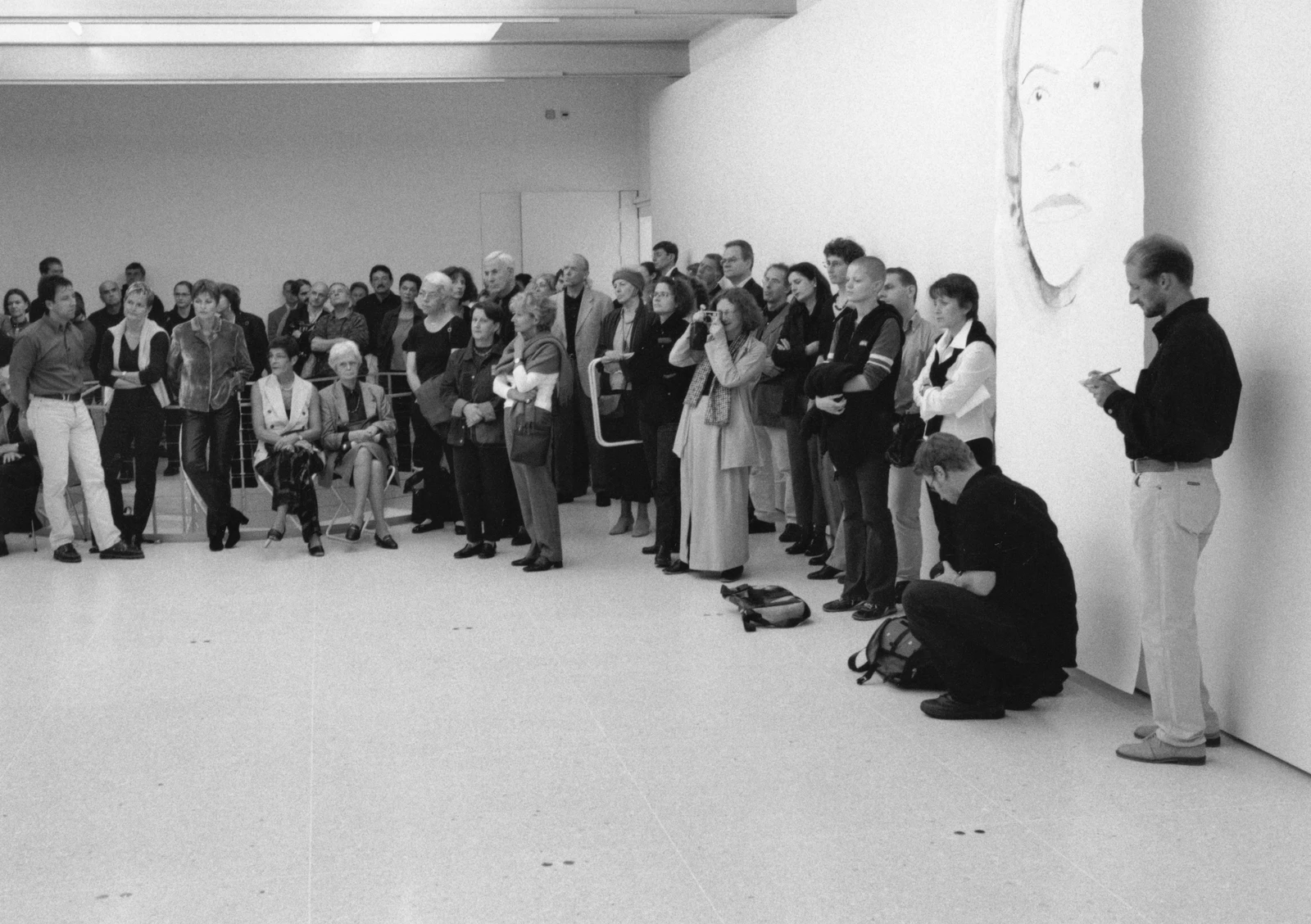

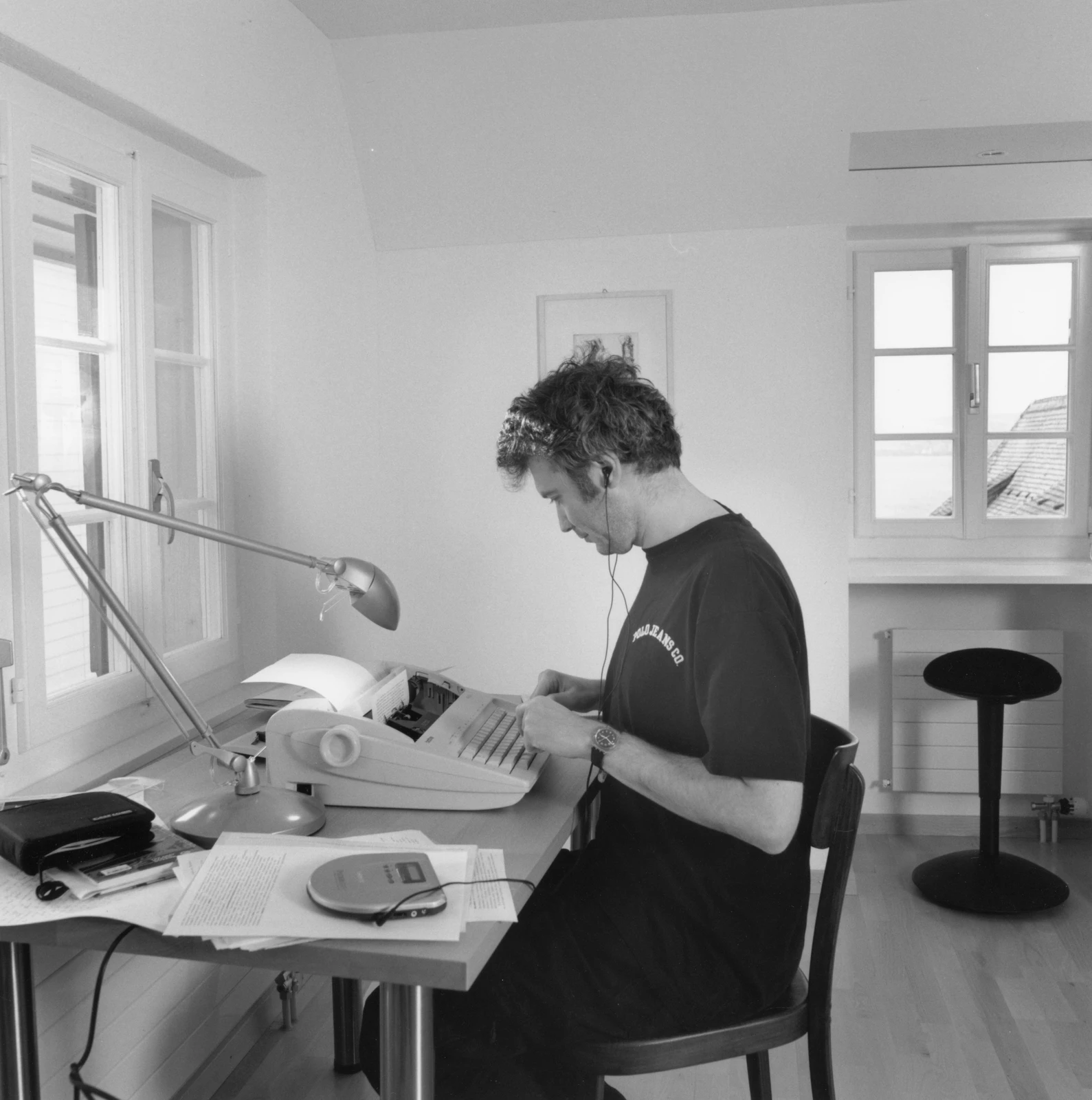
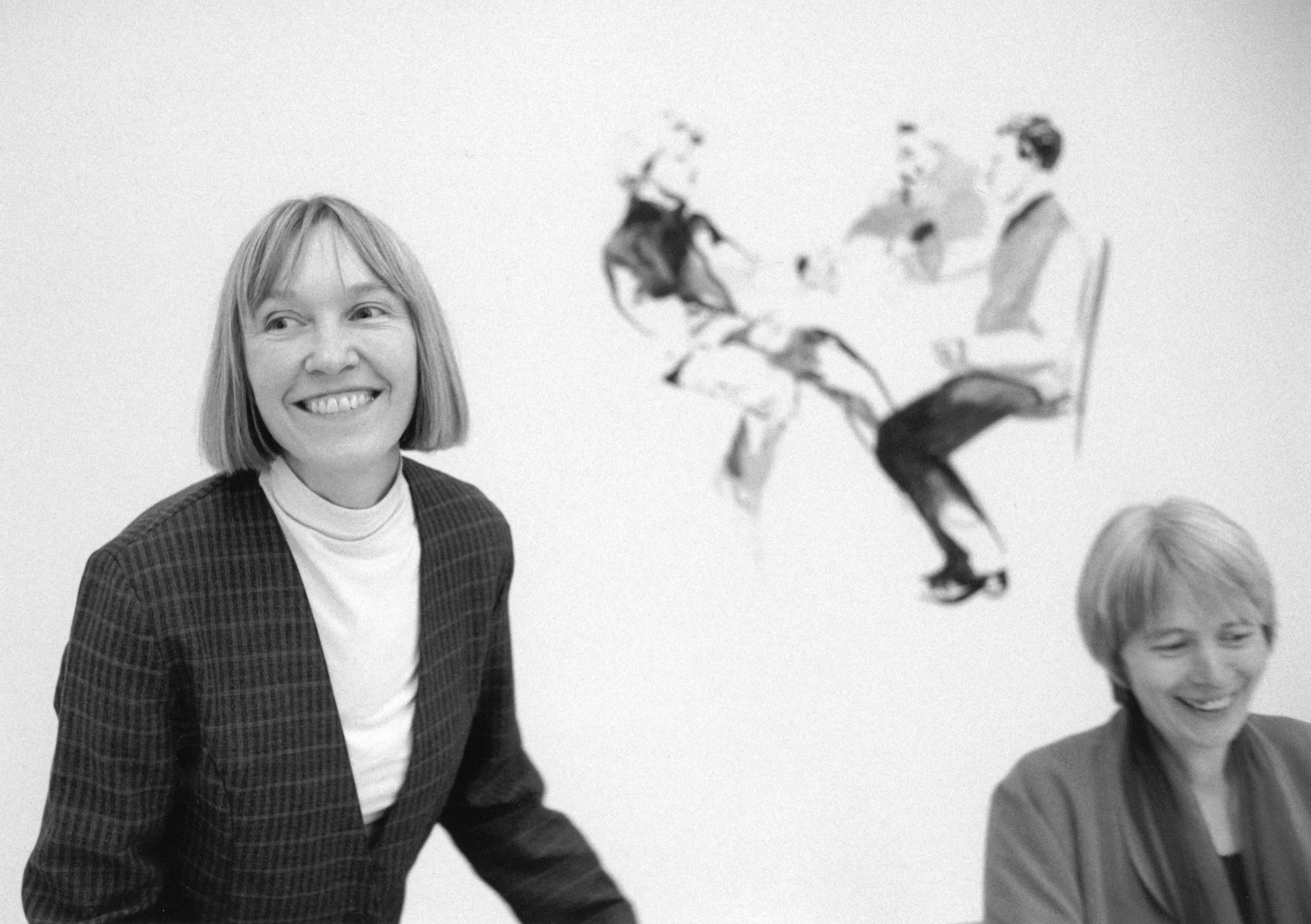
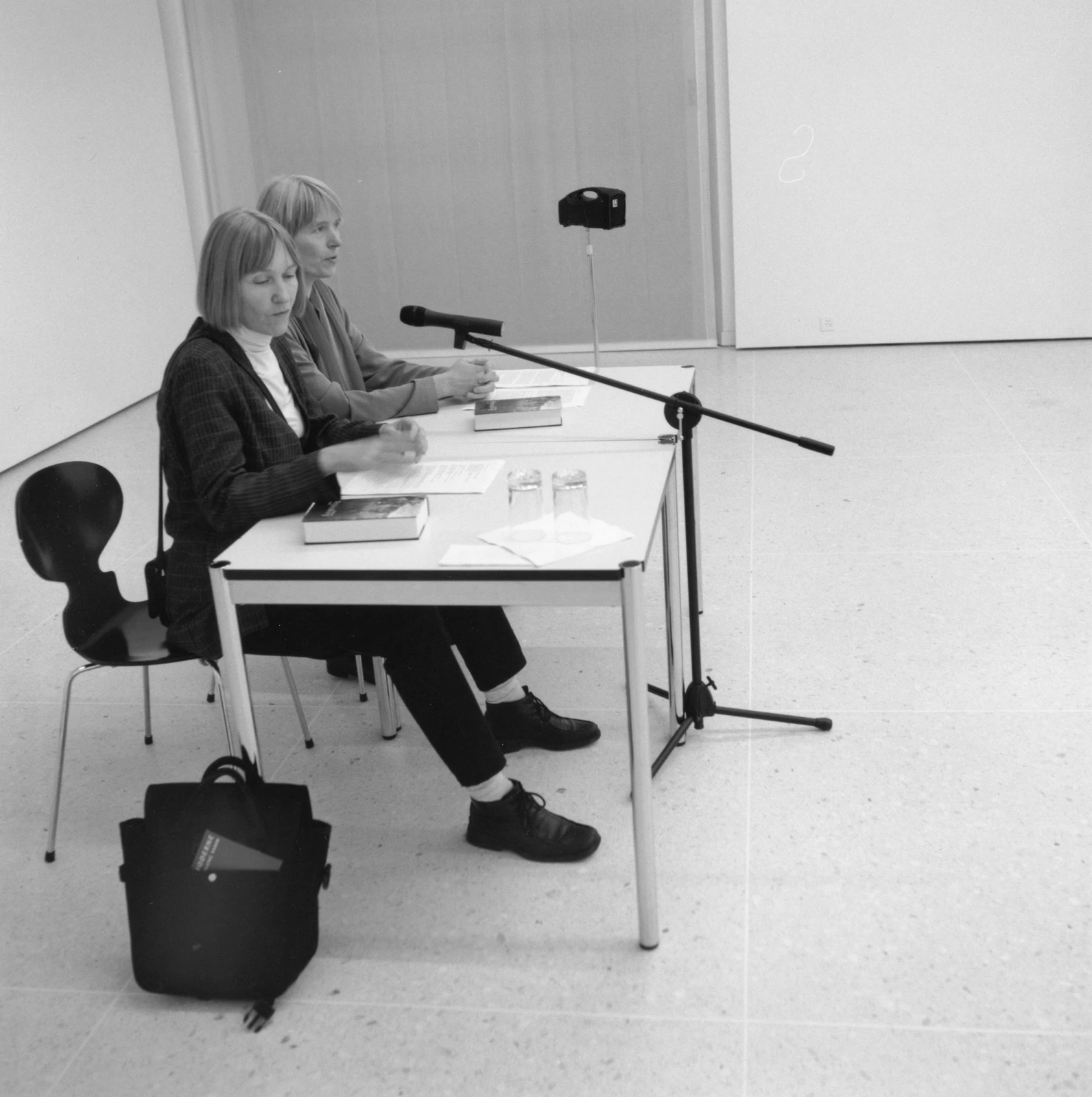

Since 1998, the Moscow-based artist and author Pavel Pepperstein has been exhibiting with artist guests from Russia as part of Project Collection. The Kunsthaus Zug thus became a European meeting place for Russian artists and aroused interest in their work in wider circles.
In the context of Moscow conceptualism in the 1980s, conversation played a central role and was developed into an art form. The endless discourse among artist friends was continued under new conditions verbally, literarily and pictorially. Ilya Kabakov (New York), Boris Groys (Vienna) and Pavel Pepperstein (Moscow) met in Zug. Ilya Kabakov, who died in 2023, has become one of the world's best-known artists since emigrating to the USA at the end of the 1980s, and Boris Groys is one of the most renowned art theorists and art critics, was rector of the Vienna Art Academy and professor at the Center for Art and Media Karlsruhe, and has been teaching at the University of New York since 2005.
The three, who had been close friends for decades, performed in Zug for the first time as an artist trio. They designed an installation exclusively for Zug that encompassed the entire Kunsthaus. The conversation exhibited in the museum – a paradox – could be understood as a metaphor for the conversation that does not really take place in society. Questions such as the role of the artist today, his relationship to the museum and society, the definition of communication, the role of new media, etc. The discourse, which was secondary in itself, was transformed into a primary, artistic exhibition object, which was "illustrated" by Ilya Kabakov as well as by Pepperstein's wall drawings. The video installation, conceived by Boris Groys, was acquired by Kunsthaus Zug for the Kabakov Collection.
An extensive text booklet was published with a conversation by Boris Groys, Ilya Kabakov and Pavel Pepperstein («Zuger Gespräch», 2001), translated by Gabriele Leupold, Berlin, the first recipient of the Zug Translation Scholarship.
In 2004, the publication "Pavel Pepperstein and Guests" was published by Hatje Cantz Verlag about this long-term project. It contains a photo essay by the Swiss photographer Guido Baselgia, who documented the project, which lasted more than five years.
Dream and Museum. Pavel Pepperstein
Project Collection (5)
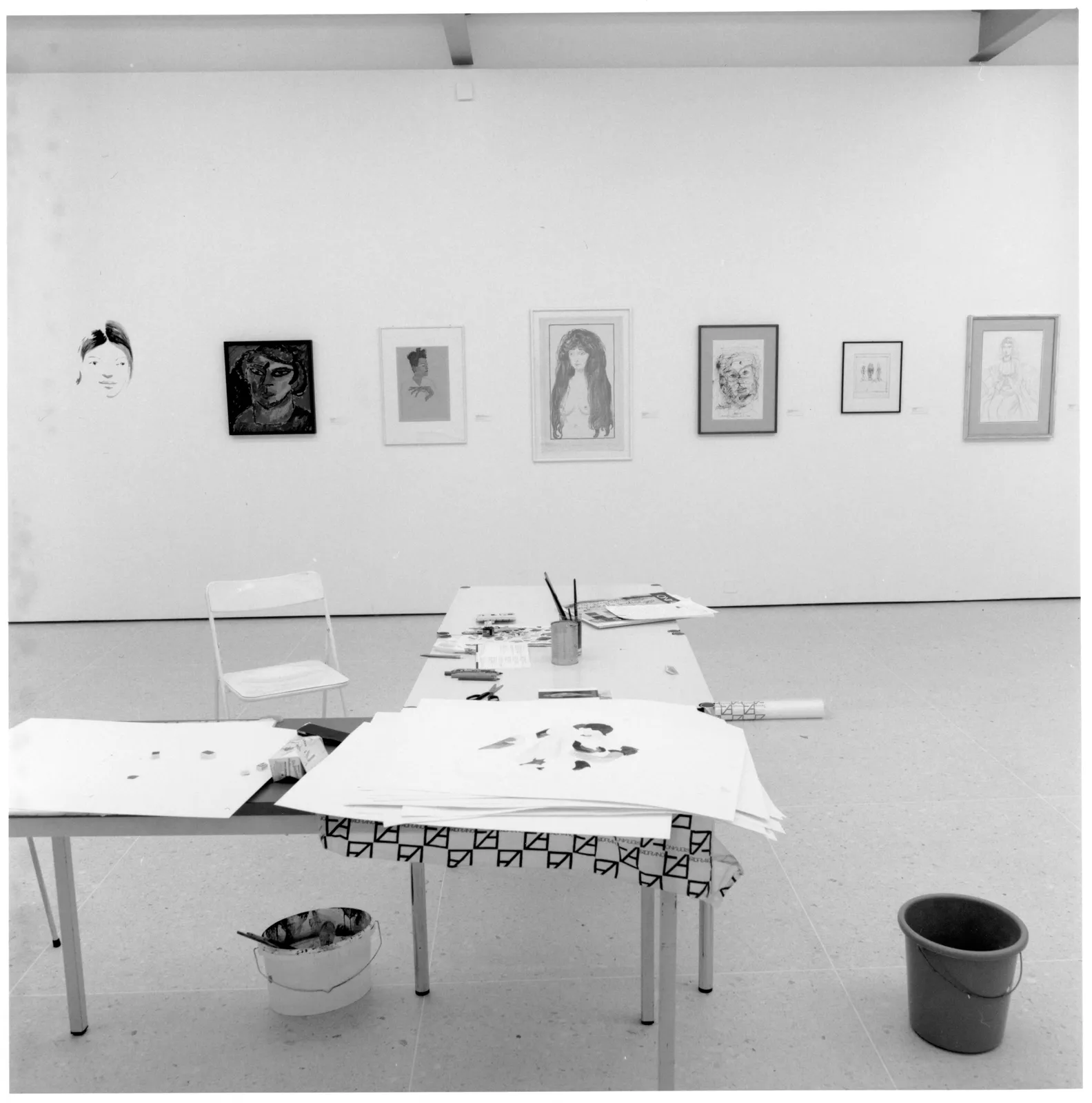
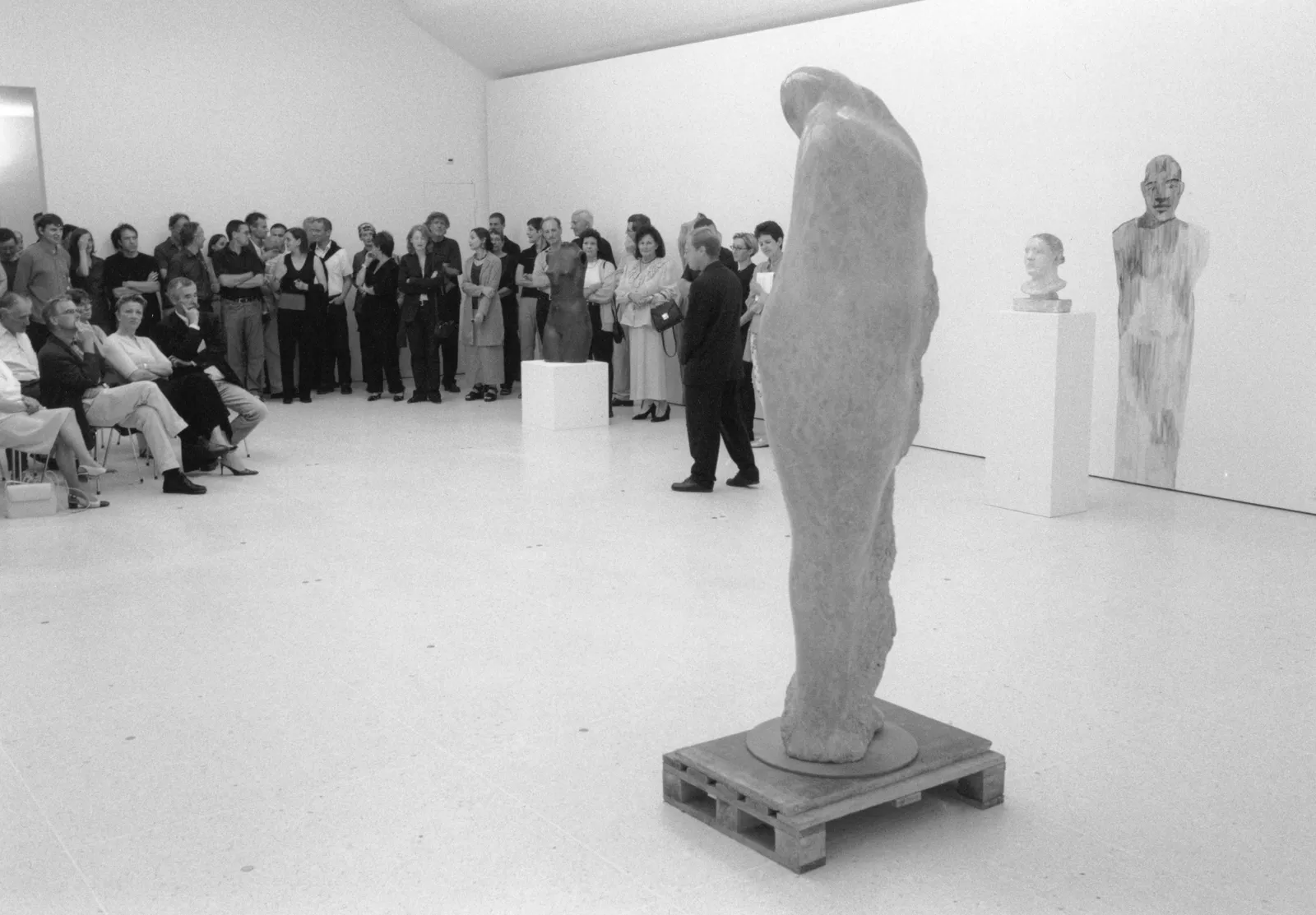
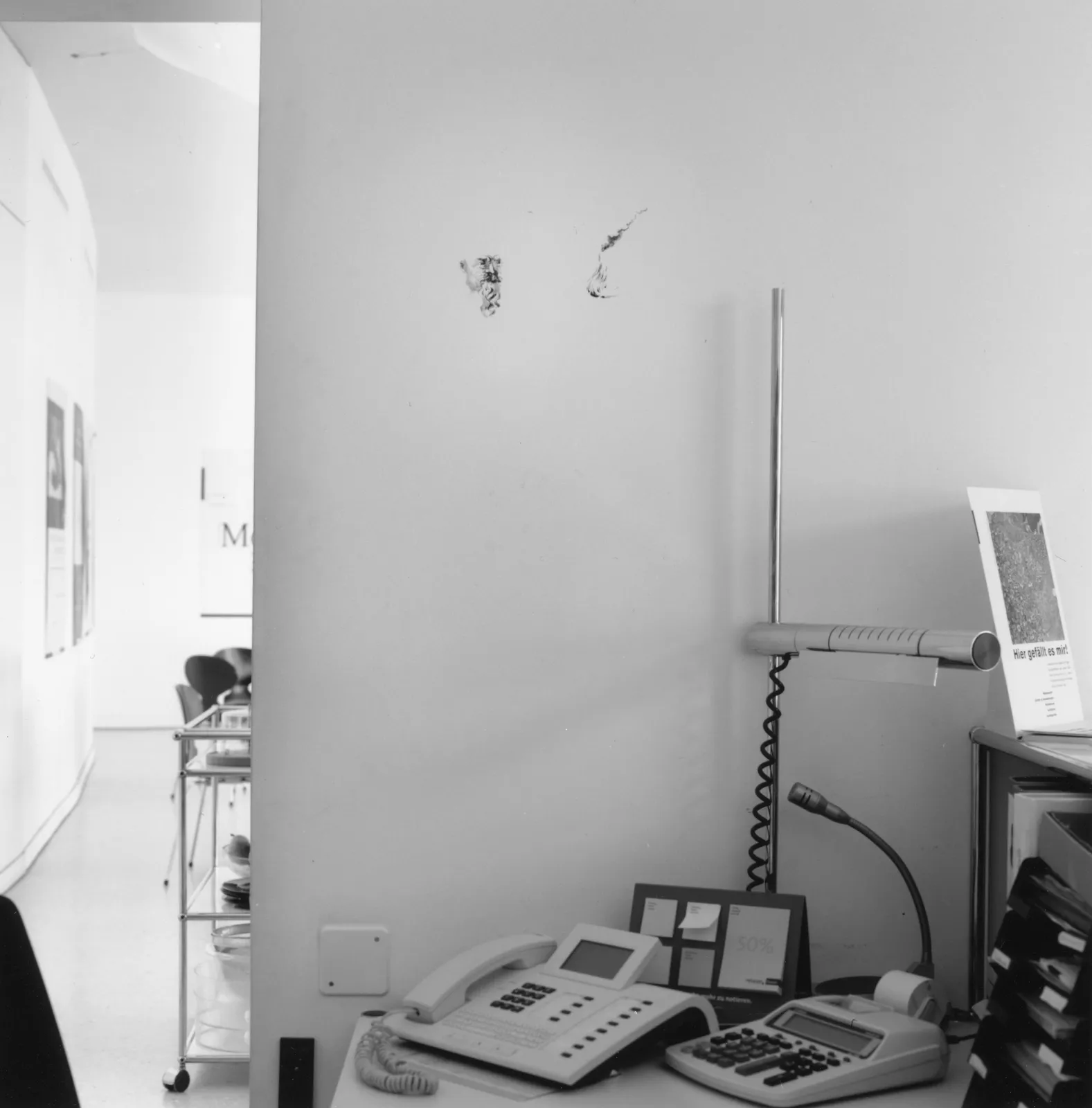
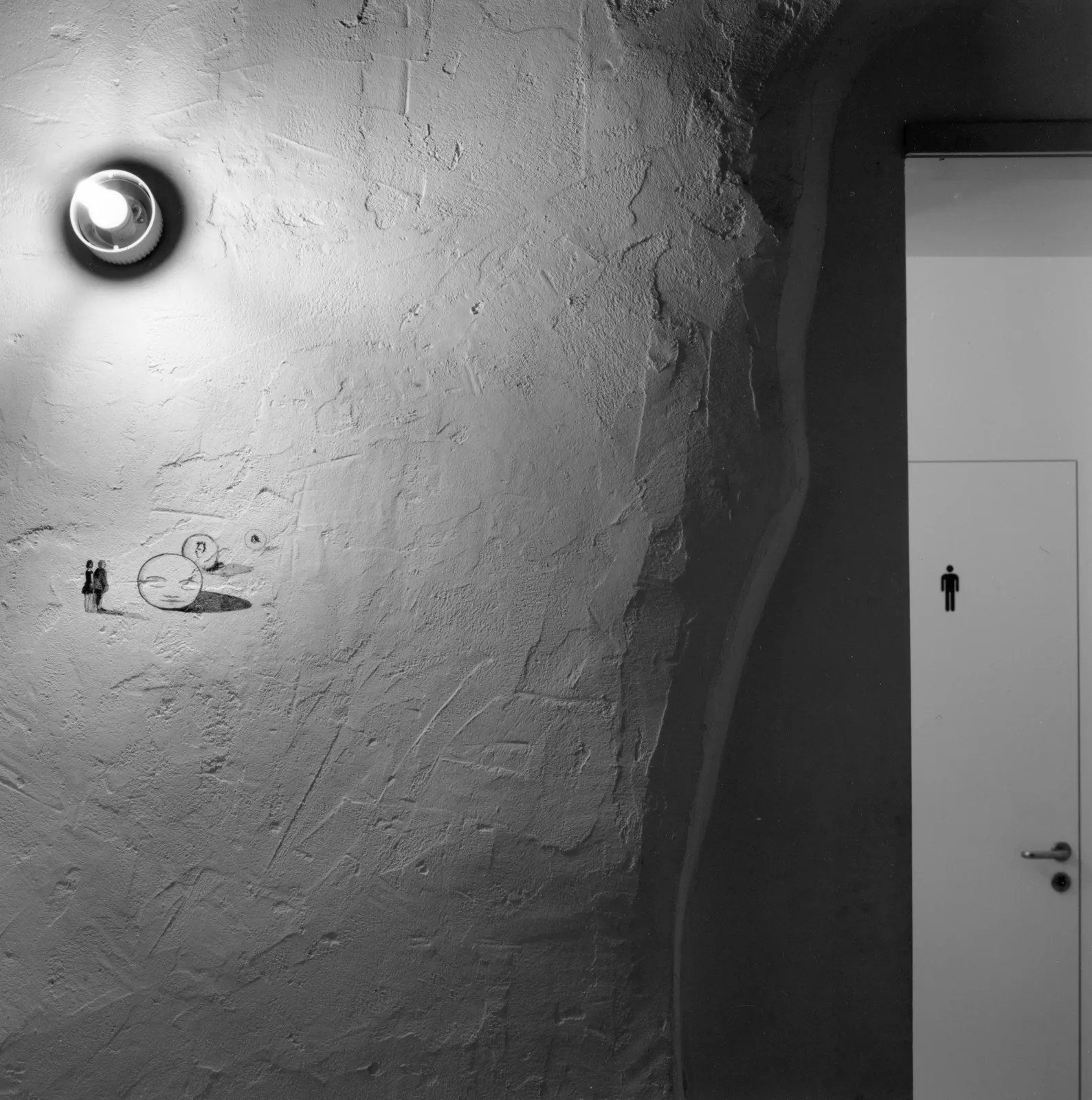

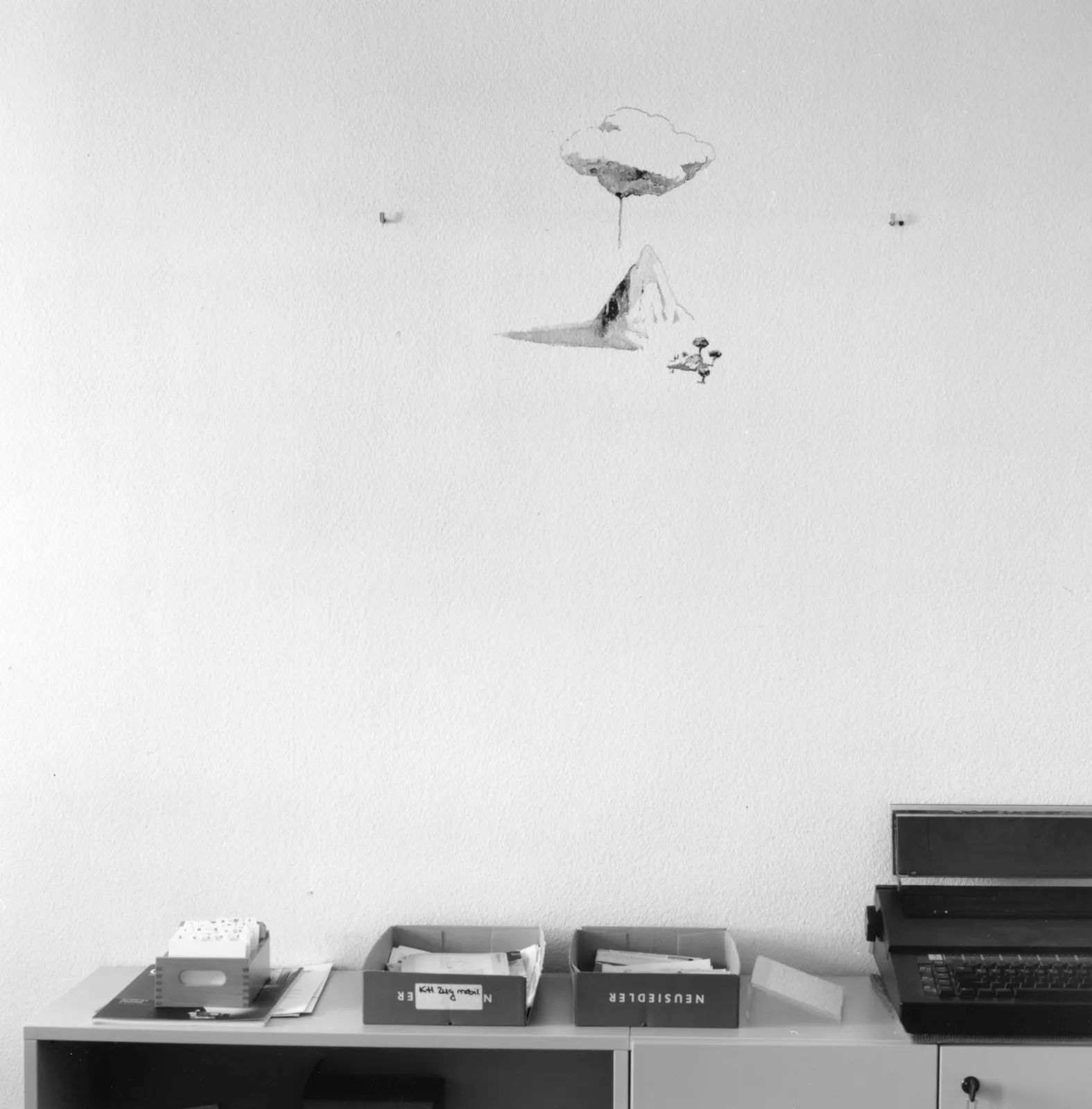
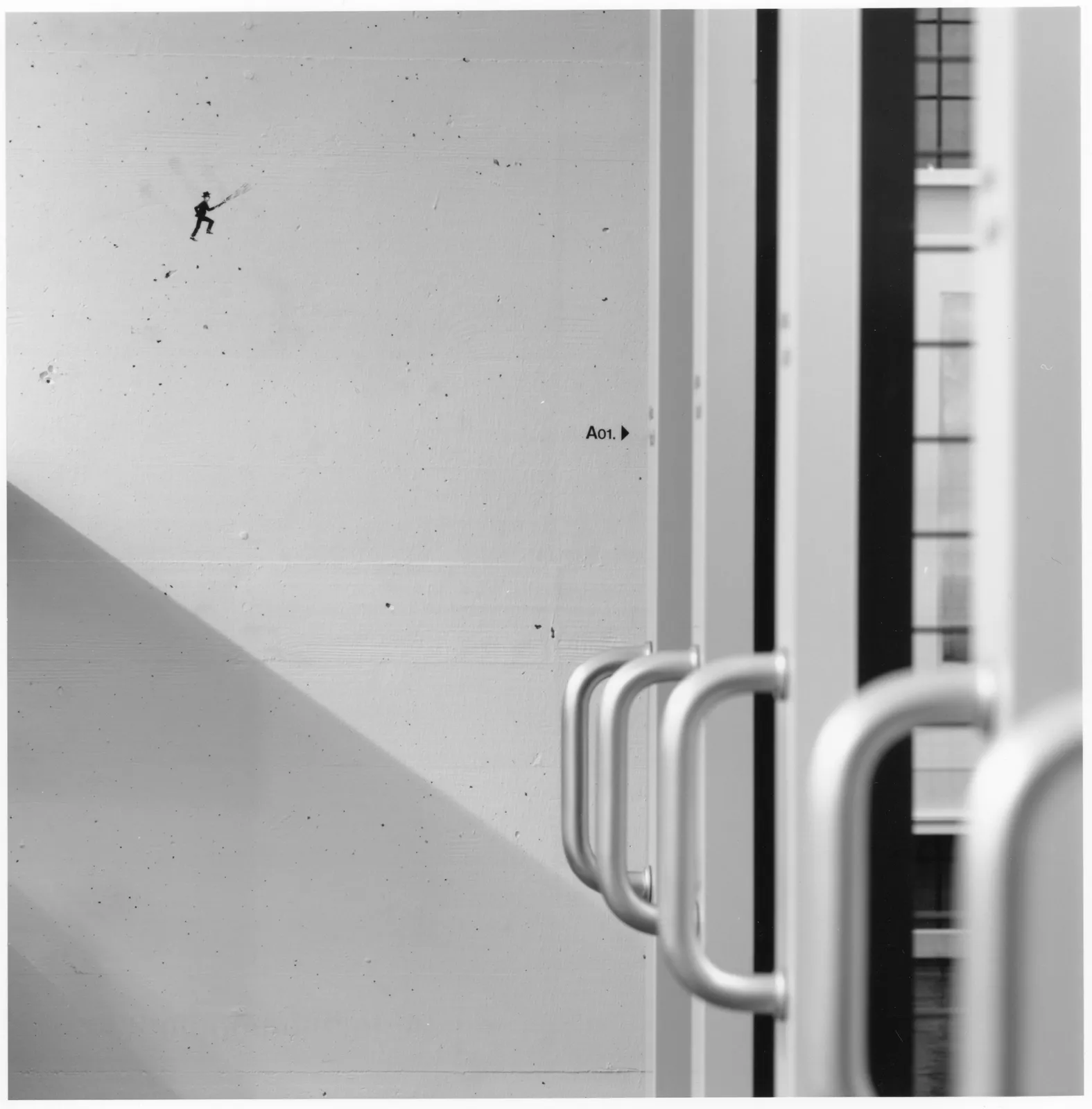
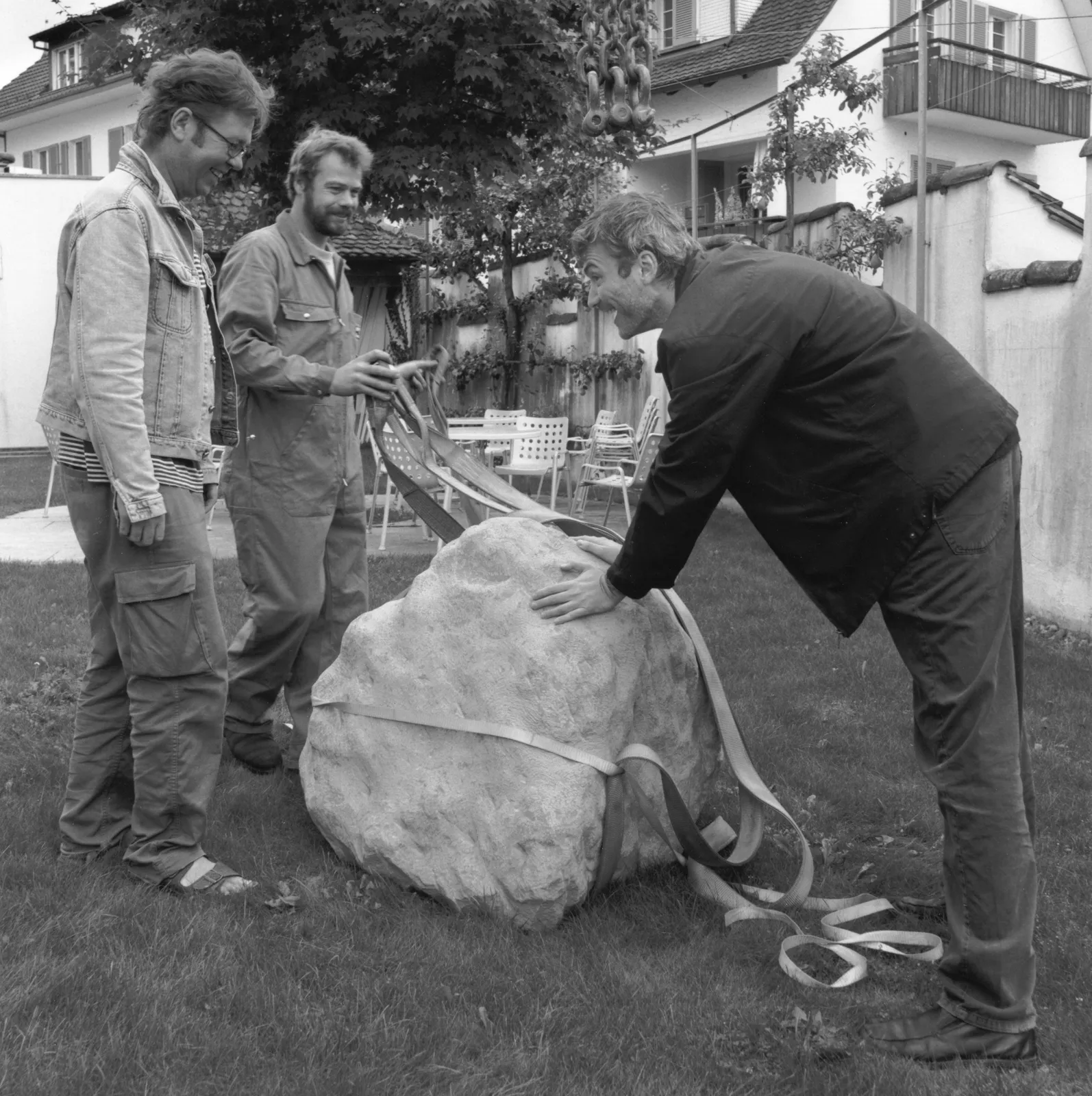
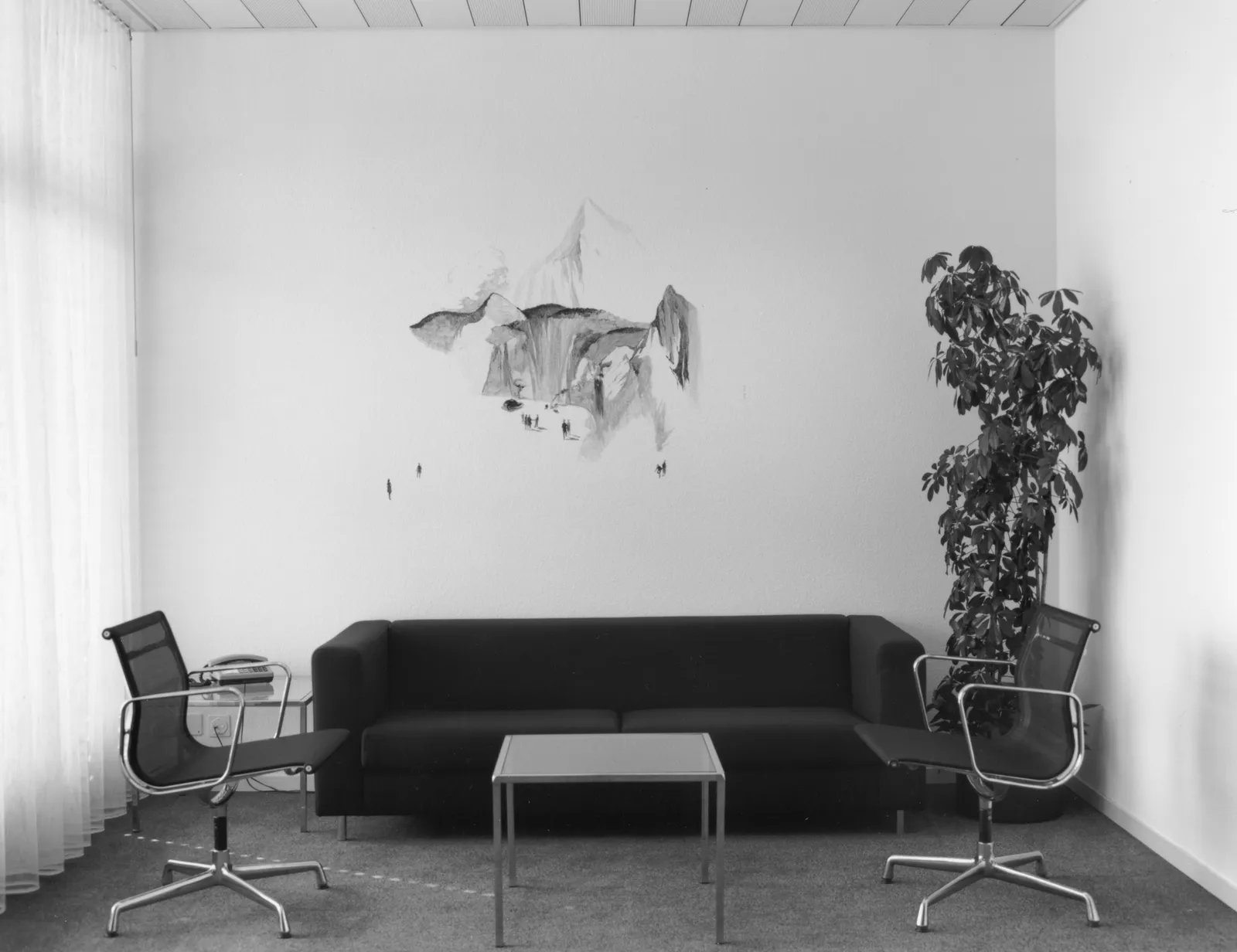

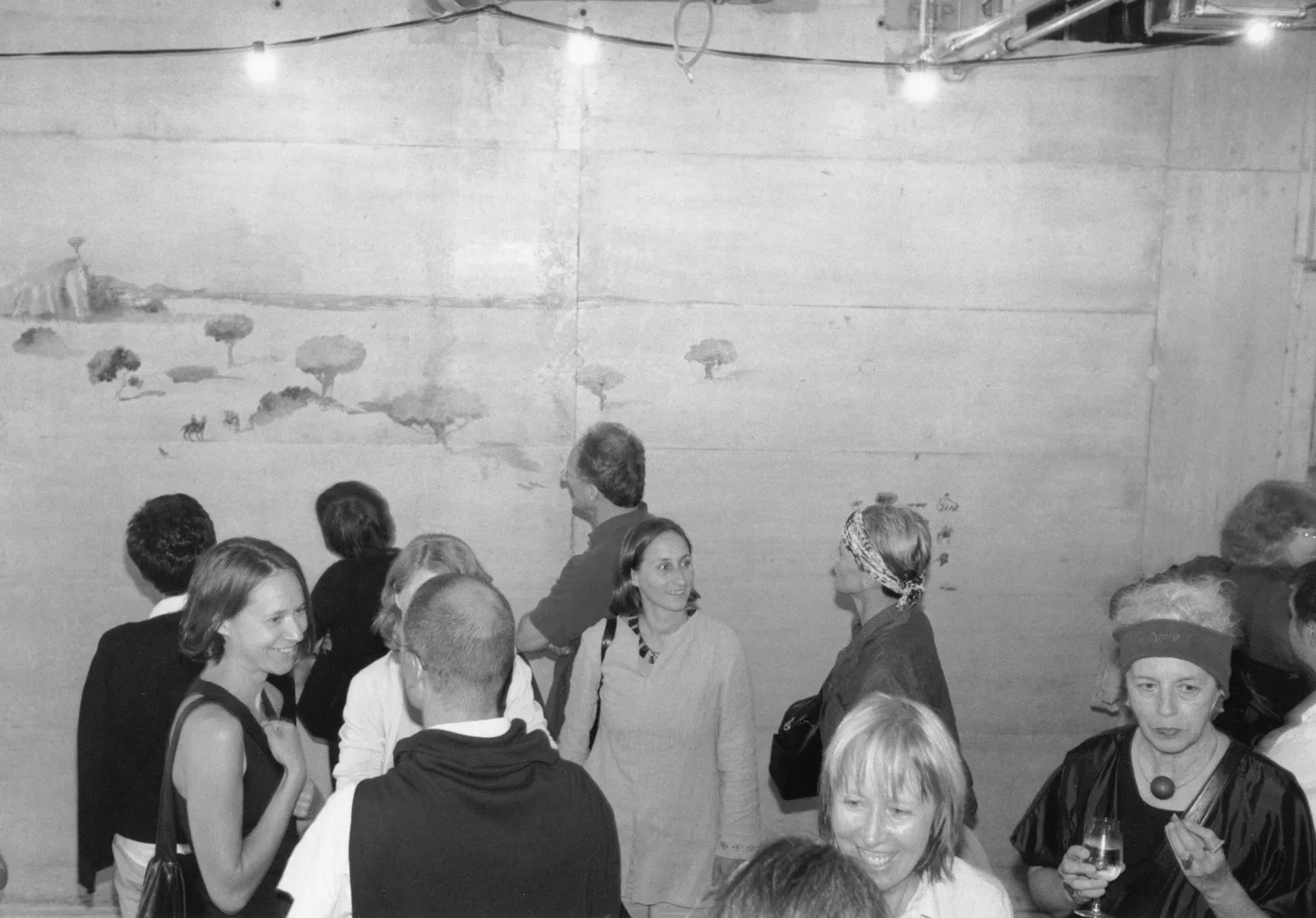

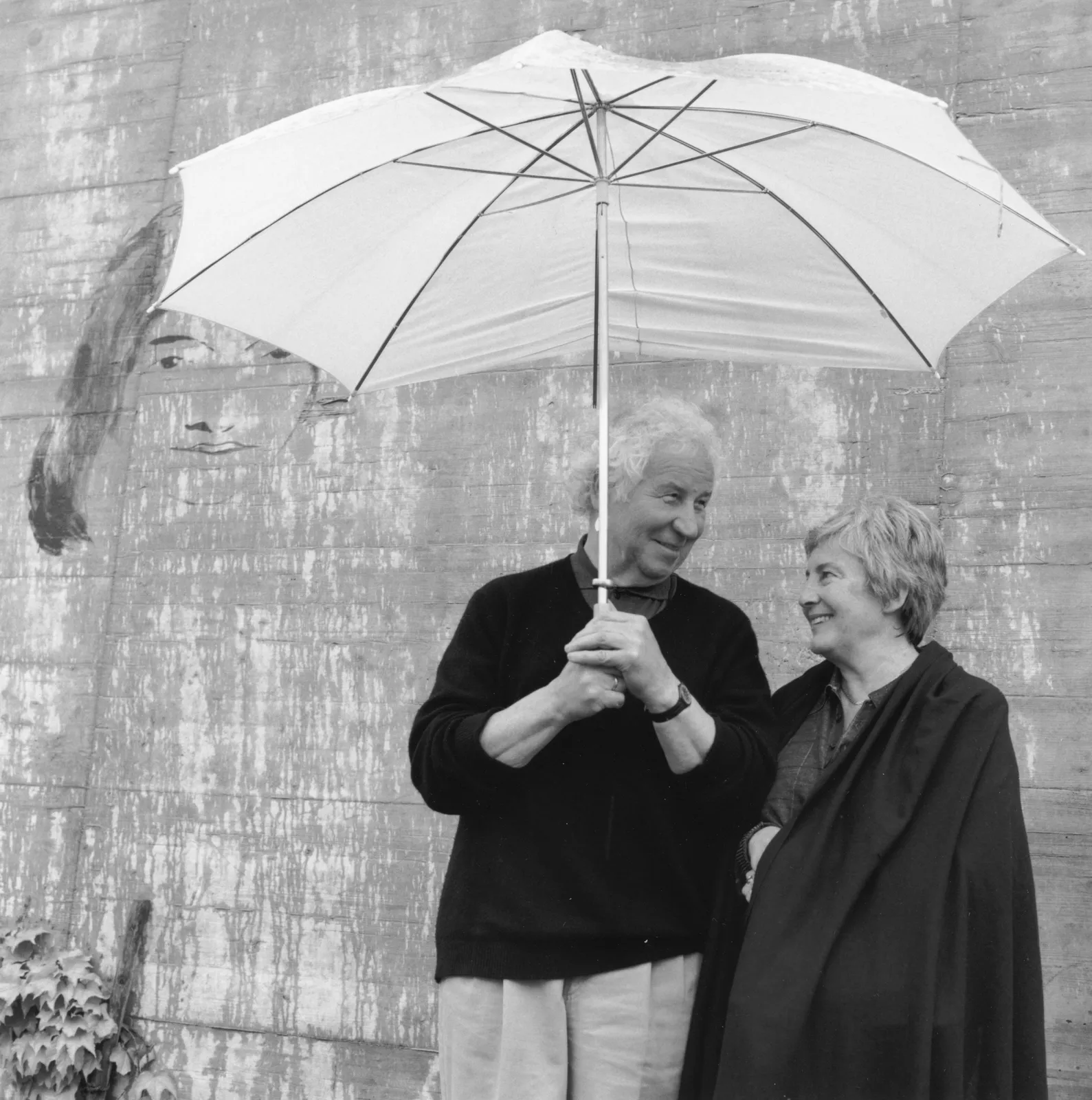
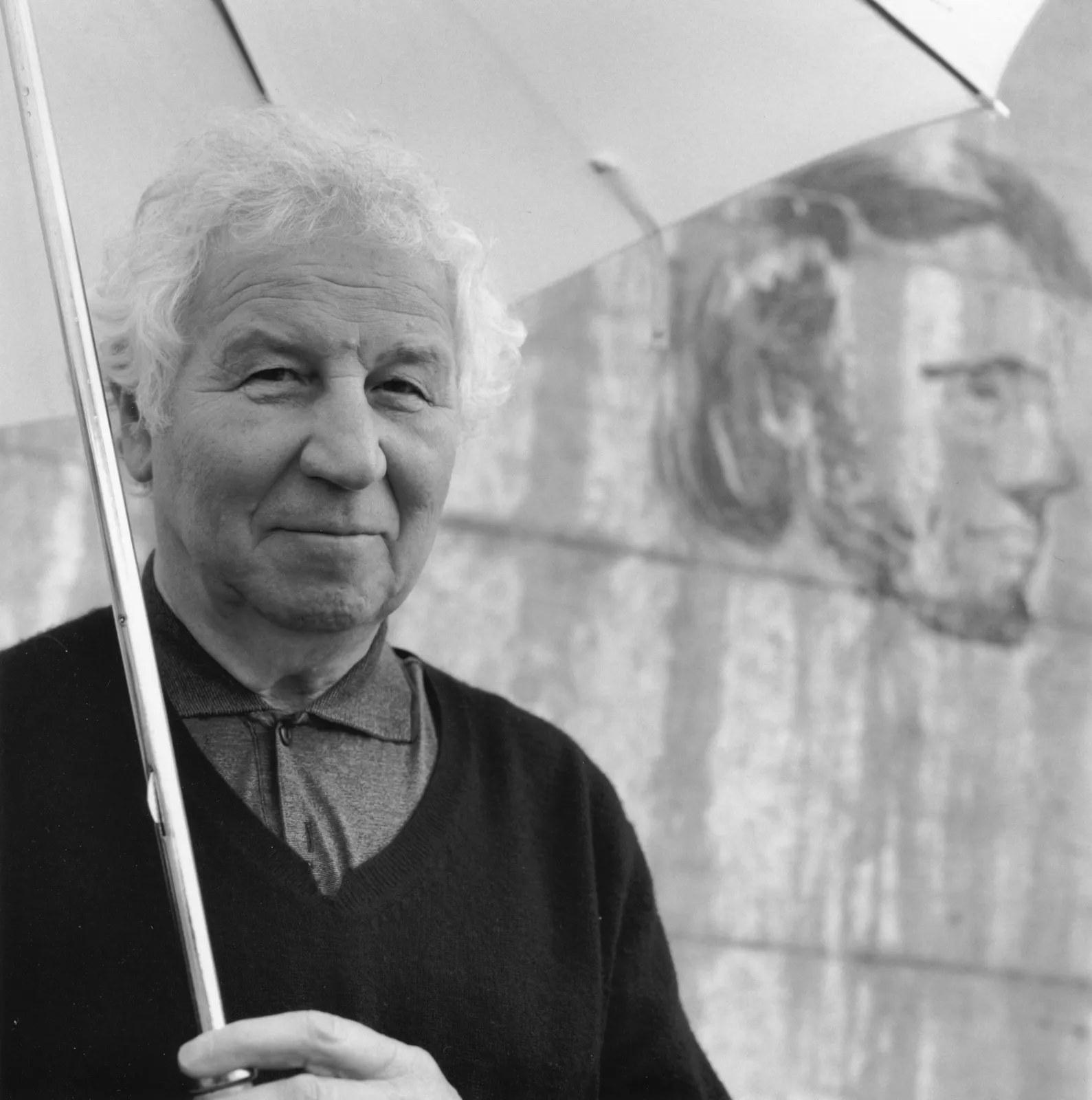
For the fifth and last time, the Russian artist Pavel Pepperstein (Moscow) appeared as part of Project: Collection in Zug. Last year, he and his guests Boris Groys and Ilya Kabakov reflected on the institution of the museum in Exhibition of a Conversation. There, the museum was presented as a place of communication. The following year, Pepperstein continued the discourse under the title Dream and Museum. In this exhibition, he addressed the Kunsthaus collection and staged it in interaction with his own wall paintings. A plausible conclusion to his own collection project.
The museum is in the service of collective memory. Repetition is characteristic of this. A visit to the museum is like a ritual in which one encounters the familiar again and perhaps finds a new approach to it. Dreams, on the other hand, are always subjective and uncontrollable. They change memories, reinterpret them. A process that can neither be controlled nor really communicated. For Pepperstein, dream and museum consequently form a contradiction.
What remains in the Kunsthaus collection after the end of the collaboration with the artist? Pepperstein's grandiose murals had to be repainted after each exhibition - a kind of museological iconoclasm. We consciously refrained from preserving works by the artist. Instead, he created numerous murals on our behalf in the new Cantonal Prison in Zug. In return for the repeated financial support of his project by Crédit Suisse Private Banking, Zug, Pepperstein also created a mural there (not preserved) - a "responosoring", as it were, by the museum. For once, the museum was providing a truly quantifiable service in return for the sponsor! Together with the Ochsenmatt school in Menzingen, where the artist had already painted murals on behalf of the municipality two years ago, the two locations formed a small network: school, bank and prison are famously also frequently mentioned attributes of a museum.